



Every home in Ohio faces the challenge of keeping unwanted pests outside without sacrificing a healthy, eco-friendly living space. Limiting chemical use is especially important for families, pets, and the local environment. By focusing on Integrated Pest Management strategies that emphasize effective pest exclusion, this guide highlights how homeowners can keep pests out with practical steps that make a real difference in comfort, safety, and sustainability.
Table of Contents
- Defining Pest Exclusion In Home Management
- Types Of Exclusion Methods For Residences
- Materials And Techniques For Effective Barriers
- Long-Term Benefits Over Chemical Solutions
- Common Mistakes And How To Avoid Them
Key Takeaways
| Point | Details |
|---|---|
| Pest Exclusion Focus | Pest exclusion involves preventing pest entry by sealing vulnerabilities and eliminating attractive conditions within homes. |
| Material Selection | Use durable materials like steel wool and copper mesh for effective barriers that adapt to environmental changes. |
| Long-Term Benefits | Exclusion methods reduce pesticide reliance, promote ecological balance, and lower long-term costs associated with pest management. |
| Avoid Common Mistakes | Regular inspections and a holistic approach towards potential vulnerabilities are crucial for effective pest exclusion strategies. |
Defining Pest Exclusion in Home Management
Pest exclusion represents a strategic approach in residential pest management that focuses on preventing pest entry and establishing comprehensive barriers against potential infestations. Integrated Pest Management strategies emphasize this proactive technique as a critical method for maintaining healthy indoor environments without excessive chemical interventions.
At its core, pest exclusion involves systematically identifying and sealing potential entry points that pests might utilize to access homes. This approach targets structural vulnerabilities such as small cracks in foundations, gaps around windows and doors, utility line penetrations, and other potential access routes. By meticulously examining and addressing these potential pathways, homeowners can significantly reduce the likelihood of pest invasions before they begin.
The primary goals of pest exclusion extend beyond simple barrier creation. Comprehensive prevention techniques aim to eliminate food sources, remove potential water access, and minimize shelter opportunities that might attract pests. This holistic strategy requires careful inspection, precise maintenance, and a thorough understanding of local pest behaviors and environmental conditions specific to residential settings.
Pro tip: Conduct a detailed perimeter walk-through of your home every six months, using a bright flashlight to identify even the smallest potential entry points for pests.
Types of Exclusion Methods for Residences
Physical barrier techniques are the cornerstone of effective pest exclusion, targeting specific structural vulnerabilities in residential environments. Comprehensive residential exclusion methods focus on creating strategic barriers that prevent pests from entering homes through multiple potential entry points.
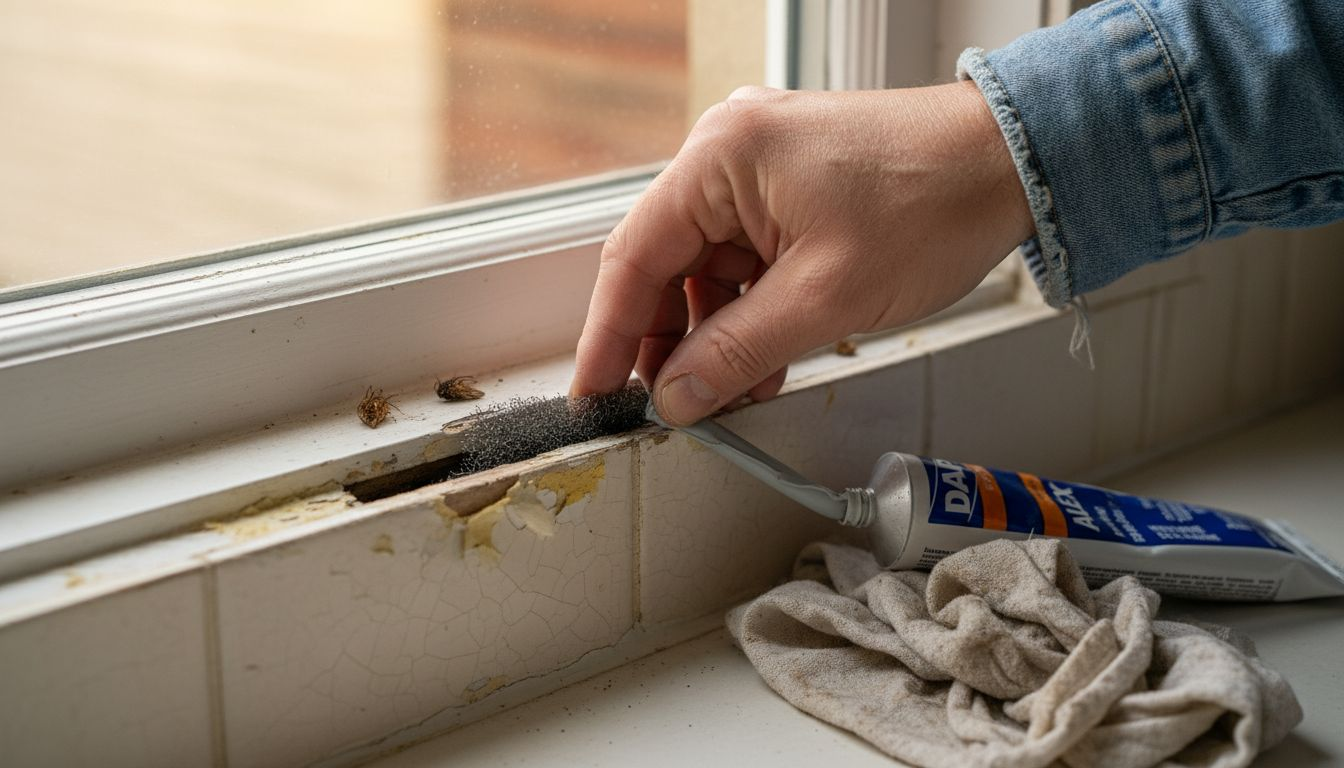
The most critical exclusion methods include advanced sealing techniques for various home components. Homeowners can implement multiple strategies such as installing tight-fitting door sweeps, applying weatherstripping around windows and doors, using mesh screens with fine openings, and sealing utility line penetrations with specialized rodent-resistant covers. Targeted pest prevention techniques emphasize blocking even the smallest gaps around foundations, vents, and structural interfaces that might provide access for unwanted insects and rodents.
Beyond basic sealing, advanced exclusion methods involve sophisticated material selections and precise application techniques. This includes using materials like copper mesh, steel wool, and specialized caulking compounds that can withstand environmental variations while maintaining a durable barrier. Professional exclusion strategies also consider ventilation requirements, ensuring that pest prevention methods do not compromise home air circulation or create moisture-related issues.
Pro tip: Invest in high-quality, flexible sealants that expand and contract with temperature changes to maintain a consistent barrier against pest entry points.
Materials and Techniques for Effective Barriers
Pest exclusion materials represent a critical defense mechanism in residential protection, requiring strategic selection and precise application. Comprehensive barrier techniques focus on identifying and addressing potential entry points with specialized materials designed to withstand pest intrusion.
The most effective barriers utilize a combination of durable materials tailored to specific structural vulnerabilities. Homeowners can deploy advanced solutions like metal mesh with extremely tight weaves, polyurethane foam sealants that expand to fill irregular gaps, and specialized steel wool compounds that resist rodent penetration. Integrated pest prevention strategies emphasize not just blocking current openings but preventing potential future access points through comprehensive material selection and application techniques.
Successful exclusion requires understanding material properties and environmental interactions. Different materials perform uniquely based on temperature variations, moisture exposure, and structural movement. Professionals recommend using flexible sealants that maintain integrity through seasonal changes, copper mesh that resists corrosion, and specialized metal flashing designed to create seamless barriers around complex architectural interfaces. The goal extends beyond simple blockage to creating a dynamic, adaptive protection system that evolves with the home’s structural characteristics.
Here’s a quick comparison of common pest exclusion materials and their best uses:
| Material | Primary Use | Durability | Notable Benefit |
|---|---|---|---|
| Steel wool | Filling small gaps and holes | High | Resists rodent chewing |
| Copper mesh | Sealing around pipes | Very high | Corrosion-resistant and flexible |
| Polyurethane foam | Large crevices and joints | Medium | Expands to fit irregular spaces |
| Metal mesh screen | Windows and vents | High | Allows airflow, blocks insects |
| Specialized caulking | Cracks and seams | High | Flexible through temperature changes |
Pro tip: Conduct a detailed material compatibility assessment before applying sealants, ensuring your chosen products work effectively together without compromising structural integrity.
Long-Term Benefits Over Chemical Solutions
Sustainable pest management represents a revolutionary approach that prioritizes prevention over repeated chemical interventions. Integrated pest prevention strategies demonstrate significant advantages in protecting both human health and environmental ecosystems by reducing reliance on toxic chemical treatments.
The long-term benefits of exclusion methods extend far beyond immediate pest control. Homeowners gain substantial advantages such as decreased pesticide exposure, preservation of beneficial organisms, and reduced environmental contamination. Sustainable pest control techniques offer a comprehensive approach that addresses pest challenges while maintaining natural ecological balance, ultimately creating healthier living environments with minimal chemical intervention.
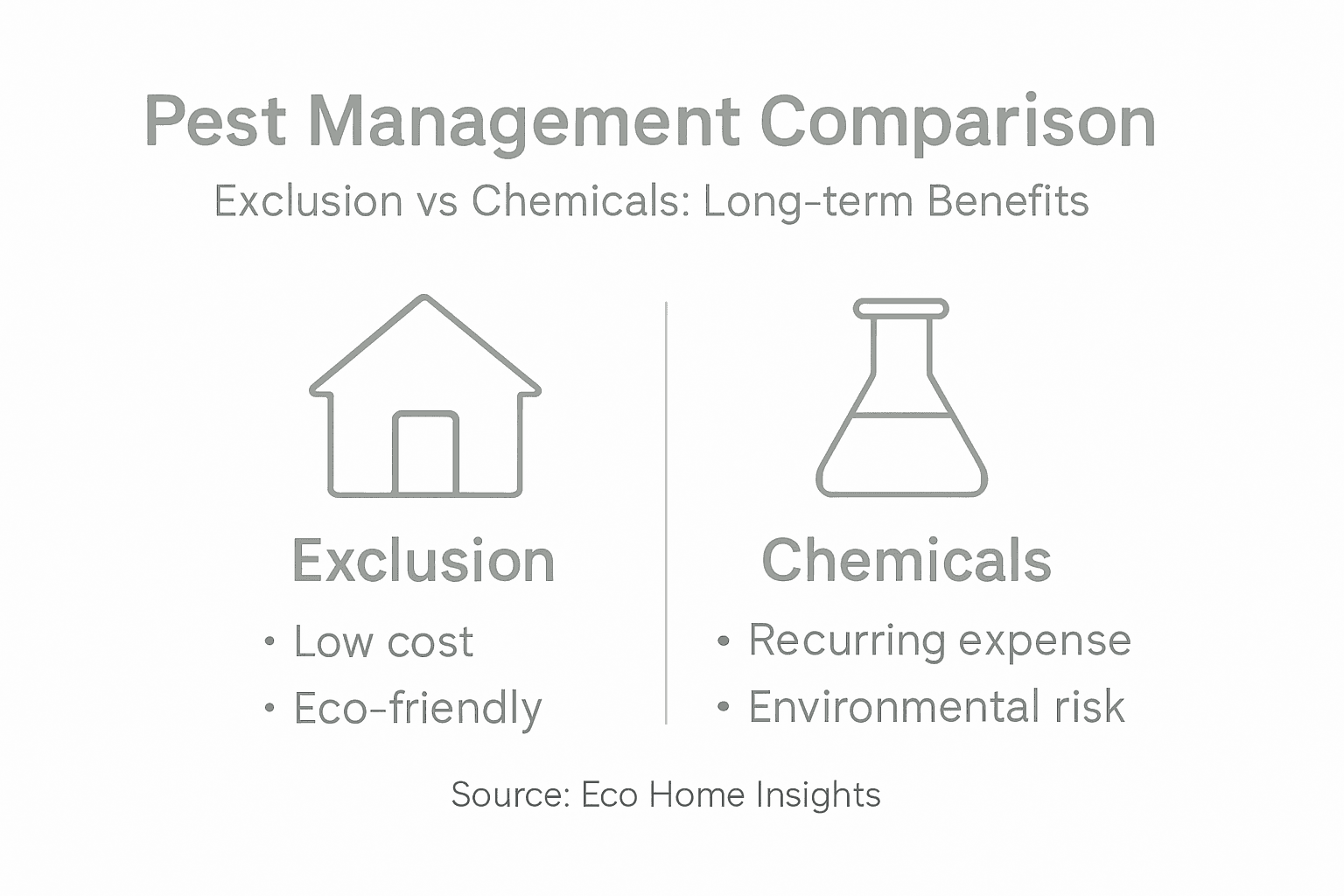
Economic considerations further underscore the value of exclusion strategies. By investing in structural barriers and preventative techniques, homeowners can significantly reduce ongoing pest management expenses. Chemical solutions require frequent reapplication and become increasingly ineffective as pests develop resistance, whereas exclusion methods create a durable, adaptive protection system that addresses root causes of pest intrusion. This approach not only minimizes health risks but also provides a more cost-effective long-term solution that protects both residential structures and inhabitant well-being.
The table below highlights key differences between pest exclusion and chemical pest control for home management:
| Aspect | Pest Exclusion | Chemical Solutions |
|---|---|---|
| Long-term cost | Lower, one-time upgrades | Recurring product purchases |
| Health risk | Minimal exposure | Potential toxicity |
| Effectiveness duration | Years with maintenance | Weeks or months |
| Impact on ecosystem | Protects beneficial species | Can harm non-target organisms |
Pro tip: Develop a comprehensive home inspection routine that identifies and seals potential pest entry points before they become significant vulnerabilities.
Common Mistakes and How to Avoid Them
Pest exclusion strategies require meticulous attention to detail and a proactive approach to home maintenance. Common pest prevention errors often stem from overlooking subtle vulnerabilities that can compromise an entire home’s defense system.
Homeowners frequently make critical mistakes by underestimating the importance of comprehensive inspections and material selection. Typical errors include neglecting small gaps around utility lines, using inappropriate sealing materials, and failing to address environmental wear that creates new entry points. Integrated pest management strategies emphasize the need for systematic approaches that go beyond surface-level treatments, requiring thorough understanding of pest behavior and structural vulnerabilities.
Effective exclusion demands a holistic perspective that considers multiple factors beyond simple barrier installation. Successful homeowners develop a consistent maintenance routine that involves regular inspections, prompt repairs, and adaptive strategies tailored to local pest populations. This approach requires understanding specific environmental conditions, recognizing potential entry points before they become significant problems, and implementing targeted solutions that address the root causes of pest intrusion rather than treating symptoms.
Pro tip: Create a seasonal home inspection checklist that systematically evaluates potential pest entry points, focusing on areas prone to environmental stress and structural changes.
Strengthen Your Home’s Defense with Expert Pest Exclusion Services
The article highlights the importance of pest exclusion as a proactive and eco-friendly strategy to keep your home safe from unwanted invaders. If you are looking to prevent pests from entering through tiny cracks, gaps around doors, or utility line penetrations, this is the solution you need. With exclusion methods focused on sealing access points and using durable materials, you can protect your family, pets, and home environment while minimizing the use of harmful chemicals.
Don’t let pests compromise your peace of mind or the health of your living space. Explore how professional exclusion techniques can deliver long-term protection tailored to your home. Visit our Uncategorized Archives – Apex Pest Control to learn more about integrated pest prevention. Ready to create a barrier against pests today Start with a free inspection by requesting your personalized assessment at Apex Pest Control Free Quote. Take action now for a safer, pest-free home environment.
Frequently Asked Questions
What is pest exclusion in home management?
Pest exclusion is a strategic approach that prevents pests from entering homes by sealing potential entry points and creating barriers against infestations.
How does pest exclusion benefit environmentally friendly practices?
Pest exclusion reduces reliance on chemical solutions, protecting beneficial organisms, minimizing environmental contamination, and creating healthier living environments.
What materials are commonly used for effective pest exclusion?
Common materials include steel wool for small gaps, copper mesh for sealing around pipes, polyurethane foam for irregular spaces, and specialized caulking for cracks and seams.
How often should I conduct a home inspection for pest exclusion?
It is recommended to conduct a detailed perimeter walk-through every six months to identify and seal potential pest entry points, ensuring ongoing protection.
Recommended
- Complete Guide to Biological Pest Control Methods
- Sustainable Pest Control: Protecting Homes and Health
- Rodent Exclusion: Protecting Ohio Homes from Infestation
- Preventive Pest Services: Complete Guide for Ohio Homes
- Kitchen Respray for Eco Homes: Complete Guide UK – WordPress
- Why Upgrade Old Appliances: Save Energy, Money, and Hassle