


Over 80,000 american pest control technicians work hard each day to protect homes and businesses from stubborn infestations. Pest problems can quickly spiral out of control without expert intervention, putting health and property at risk. Understanding what professional exterminators actually do helps homeowners make informed choices and avoid costly mistakes. This guide breaks down the skills, strategies, and standards that set true pest management experts apart from basic do-it-yourself solutions.
Table of Contents
- Defining The Role Of Professional Exterminators
- Types Of Pest Control Services Provided
- Typical Process Of Professional Extermination
- Health, Safety, And Environmental Standards
- Professional Responsibilities And Legal Compliance
Key Takeaways
| Point | Details |
|---|---|
| Role of Professional Exterminators | Exterminators conduct inspections and implement targeted pest management strategies beyond mere elimination of pests. |
| Types of Services Offered | Services include general pest control, termite management, and lawn pest management, each requiring specific expertise. |
| Extermination Process | The extermination process involves thorough inspections and strategic treatments to address unique pest problems effectively. |
| Health and Safety Standards | Professional pest control prioritizes minimal chemical use and eco-friendly methods to ensure safety for humans and the environment. |
Defining the Role of Professional Exterminators
Professional exterminators are specialized technicians who provide comprehensive pest management solutions for residential and commercial properties. According to the Bureau of Labor Statistics, these skilled professionals are responsible for conducting thorough inspections, identifying specific pest challenges, and implementing targeted elimination strategies.
Their primary responsibilities encompass multiple critical aspects of pest control. Exterminators perform detailed property assessments to detect pest infestations, determine species and extent of the problem, and develop precise treatment plans. Integrated Pest Management (IPM) represents their strategic approach, which the USDA describes as a science-based decision-making process that combines multiple tools and strategies to manage pests effectively.
A professional exterminator’s toolkit includes various techniques and methods:
- Comprehensive property inspections
- Species-specific identification
- Chemical and non-chemical treatment applications
- Trap setting and bait placement
- Preventative strategy development
- Long-term pest management planning
Understanding the nuanced role of professional exterminators means recognizing they do far more than simply eliminating visible pests. These professionals provide holistic solutions that address current infestations while implementing strategies to prevent future problems. For more insights into the advantages of professional pest control, check out our guide on professional pest services for Ohio homes.
Types of Pest Control Services Provided
Professional pest control services encompass multiple specialized approaches designed to address diverse pest challenges in residential and commercial environments. According to EDIS, pest control services are strategically categorized into distinct service types, each requiring specific certifications and expertise.
General Household Pest Control (GHP) represents the most common service, targeting indoor pests like ants, cockroaches, spiders, and other common household invaders. This service focuses on comprehensive interior and exterior treatments that eliminate existing pest populations and prevent future infestations. Companies must maintain certified operators specifically trained in household pest management techniques.
Additional specialized pest control services include:
- Termite and Wood-Destroying Organisms Control: Targeted treatments for structural wood damage prevention
- Lawn and Ornamental Pest Management: Protecting outdoor landscapes and garden ecosystems
- Fumigation Services: Comprehensive treatment for severe infestations requiring extensive interventions
These varied services demonstrate the complexity and precision of professional pest management. For deeper insights into commercial pest control strategies, explore our guide on commercial pest control services, which provides comprehensive information about industry-specific pest management approaches.
Typical Process of Professional Extermination
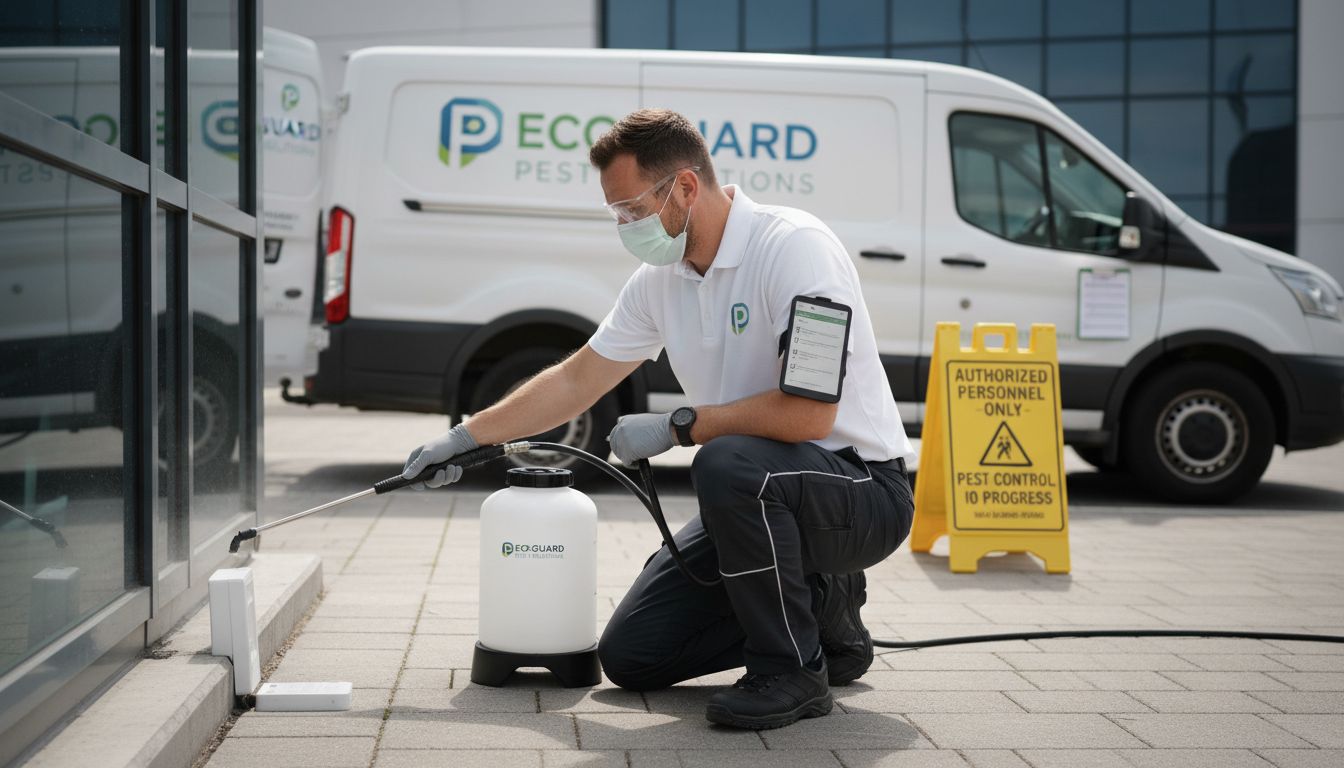
Professional extermination is a systematic and strategic approach to pest management that requires precision and expertise. According to the Bureau of Labor Statistics, the typical process involves several critical stages designed to comprehensively address pest challenges from initial detection through long-term prevention.
The extermination process typically begins with a thorough property inspection. Trained professionals meticulously examine the property, identifying specific pest species, assessing infestation levels, and determining potential entry points. This initial assessment allows exterminators to develop a targeted treatment strategy that addresses the unique characteristics of each pest problem.
Key steps in the professional extermination process include:
- Comprehensive property assessment
- Precise pest species identification
- Detailed measurement of treatment areas
- Cost estimation and treatment planning
- Strategic pesticide application
- Implementation of preventative management strategies
Understanding these intricate steps highlights the complexity of professional pest control. For those dealing with specific pest challenges, our guide on residential pest control offers additional insights into managing common household pest issues and the importance of professional intervention.
Health, Safety, and Environmental Standards
Professional pest control services prioritize health, safety, and environmental protection as fundamental principles of their operations. According to the USDA, Integrated Pest Management (IPM) represents a comprehensive approach designed to minimize economic, health, and environmental risks through carefully balanced intervention strategies.
The core of these standards involves utilizing a multi-dimensional approach that combines biological, cultural, physical, and chemical pest control tools. This methodology ensures that pest management goes beyond simple elimination, focusing instead on sustainable solutions that protect human health and ecological balance. Professionals carefully select treatment methods that are minimally invasive, targeting specific pest populations while reducing potential risks to humans, pets, and surrounding environments.
Key environmental and safety considerations in professional pest control include:
- Minimal chemical intervention
- Targeted treatment approaches
- Eco-friendly pest management techniques
- Comprehensive risk assessment protocols
- Use of low-toxicity treatment options
- Preservation of surrounding ecosystem balance
Understanding these rigorous standards demonstrates the sophisticated approach modern pest control professionals employ. For homeowners seeking more detailed insights into responsible pest management, our residential pest control guide offers comprehensive information about safe and effective pest control practices.
Professional Responsibilities and Legal Compliance
Professional exterminators operate within a complex framework of legal requirements and professional standards that ensure safe, effective, and responsible pest management. According to EDIS, pest control companies must maintain certified operators who have successfully passed state examinations in specific pest control categories, demonstrating their expertise and commitment to professional standards.
The legal compliance process is rigorous and multifaceted. As noted by the Bureau of Labor Statistics, pest control workers must adhere to strict regulations regarding pesticide application, prioritizing the safety of building occupants and preserving the structural integrity of properties. This involves comprehensive training, ongoing certification, and adherence to both state and federal guidelines governing pest management practices.
Key professional responsibilities include:
- Obtaining and maintaining state-specific pest control certifications
- Passing comprehensive professional examinations
- Supervising and training technician teams
- Ensuring safe pesticide application protocols
- Protecting client property and occupant safety
- Maintaining detailed service documentation
- Continuously updating professional knowledge
These stringent requirements underscore the professional nature of pest control services. For property owners seeking more information about responsible pest management practices, our residential pest control guide provides comprehensive insights into professional standards and legal compliance.

Experience True Pest Control Expertise with Apex Pest Control
Dealing with persistent pest problems can be stressful and overwhelming. This article highlights how professional exterminators deliver precise inspections, targeted treatments, and long-term prevention using Integrated Pest Management principles. If you want to protect your home or business from ants, rodents, termites, or any other unwelcome pests while prioritizing safety for your family, pets, and the environment, expert help is just a call away.
Apex Pest Control offers residential and commercial pest management solutions tailored to your specific needs. Whether you need one-time treatments or ongoing service programs, our certified technicians follow the highest industry standards to ensure effective and responsible pest elimination. Discover more about our comprehensive services and how we can safeguard your property by visiting our Uncategorized Archives. Ready to take control now Visit us at Get a Free Quote and schedule your personalized pest evaluation before pests cause irreversible damage.
Frequently Asked Questions
What does a professional exterminator do?
Professional exterminators are specialized technicians responsible for pest management, which includes conducting thorough property inspections, identifying pest species, and implementing targeted elimination strategies using Integrated Pest Management (IPM) techniques.
What types of pest control services do professional exterminators provide?
Professional exterminators offer various services, including general household pest control, termite and wood-destroying organism control, lawn and ornamental pest management, and fumigation services for severe infestations.
What is the typical process of professional extermination?
The extermination process usually begins with a thorough property inspection to identify pests and assess the infestation levels. This is followed by precise species identification, treatment planning, pesticide application, and preventative strategy implementation to ensure long-term pest management.
How do professional exterminators ensure safety and environmental protection during pest control?
Professional exterminators prioritize safety and environmental protection by adhering to Integrated Pest Management (IPM) principles, which include the use of minimal chemical interventions, targeted treatment methods, and eco-friendly practices that focus on long-term solutions while safeguarding human health and the surrounding ecosystem.