



Overflowing garbage bins or forgotten crumbs in the kitchen can quietly invite uninvited guests into any Oakwood home. For Northeast Ohio homeowners, mastering sanitation in pest control is about more than just tidying up. Effective cleaning breaks pest life cycles by removing food, water, and shelter, making your living space a less attractive target. Discover practical, eco-friendly steps to keep pests out while protecting your family’s health and supporting a sustainable environment.
Table of Contents
- What Is Sanitation in Pest Control?
- Types of Pests Affected by Cleanliness
- How Cleaning Interrupts Pest Life Cycles
- Common Myths About Sanitation and Infestation
- Key Sanitation Strategies for Ohio Homeowners
- Eco-Friendly Solutions and Professional Support
Key Takeaways
| Point | Details |
|---|---|
| Sanitation is Essential for Pest Control | A clean environment disrupts pest life cycles by removing food, water, and breeding habitats. Regular cleaning is crucial for effective pest prevention. |
| Specific Pests Are Sensitive to Cleanliness | Pests like Cockroaches, Ants, and Rodents thrive in unclean areas, making sanitation a strategic focus for controlling their populations. |
| Consistency in Cleaning is Key | One-time cleaning is inadequate; a consistent, comprehensive cleaning routine is necessary to prevent infestations effectively. |
| Eco-Friendly Approaches Are Available | Sustainable pest management options exist that prioritize natural solutions and maintain ecological balance while controlling pests effectively. |
What Is Sanitation in Pest Control?
Sanitation in pest control represents a strategic approach to preventing and managing pest populations by systematically removing their potential habitats, food sources, and breeding environments. At its core, sanitation is about creating an inhospitable environment for pests through deliberate, proactive cleaning and maintenance practices.
According to Cornell University’s integrated pest management research, sanitation involves providing a clean environment that protects human health by disrupting pest life cycles and eliminating critical resources pests need to survive. This comprehensive strategy goes far beyond basic cleaning – it’s a scientific method of pest prevention that targets the fundamental conditions supporting pest infestations.
Key sanitation strategies in pest control include:
- Removing food sources by storing food in sealed containers
- Eliminating standing water that attracts mosquitoes and other insects
- Sealing potential entry points like cracks and gaps in walls
- Regularly cleaning and decluttering spaces to reduce hiding spots
- Maintaining proper waste management and garbage disposal practices
Effective sanitation requires understanding the specific behaviors and requirements of different pest species. For instance, rodents need minimal food and water to survive, so even small crumbs or minor moisture sources can sustain an entire population. Similarly, insects like ants and cockroaches can thrive in tiny spaces with minimal resources.
Pro tip: Implement a consistent weekly cleaning schedule that targets potential pest attractants and inspect your property regularly for signs of pest activity.
Types of Pests Affected by Cleanliness
Pest infestations are directly influenced by sanitation practices, with different species responding uniquely to environmental conditions. Urban pest management strategies reveal that certain pests are particularly sensitive to cleanliness levels, making strategic sanitation critical for effective pest control.
Insects represent the most prevalent group of pests affected by sanitation practices. Cockroaches, for instance, are notorious for thriving in unclean environments. These resilient insects require minimal food and moisture, making even small amounts of kitchen debris or unsealed food containers potential breeding grounds. Ants similarly exploit poor sanitation, using tiny food particles and moisture sources to establish complex colony networks throughout homes.
Key pests significantly impacted by sanitation include:
- Cockroaches: Attracted to food residue and moisture
- Ants: Thrive in areas with food crumbs and standing water
- Rodents: Seek shelter and food in cluttered, unclean spaces
- Bed bugs: Can spread more easily in disorganized environments
- Moths: Drawn to food storage areas with poor hygiene
Beyond insects, urban pest control research demonstrates that rodents and small wildlife are equally susceptible to sanitation practices. Mice and rats can establish populations in homes with excessive clutter, unsealed food containers, and accumulated garbage. These pests not only contaminate living spaces but also pose significant health risks through potential disease transmission.
Here’s a quick overview of how different pests respond to improved cleanliness levels:
| Pest Type | Cleanliness Impact | Health Risk |
|---|---|---|
| Cockroaches | Rapid infestation drop | Allergies, pathogens |
| Ants | Colony disruption | Food contamination |
| Rodents | Population reduction | Disease transmission |
| Bed bugs | Slowed spread | Skin irritation |
| Moths | Lower breeding rates | Food spoilage |
Pro tip: Implement a comprehensive cleaning routine that targets hidden spaces, seals food containers, and eliminates moisture sources to create an environment that naturally deters multiple pest species.
How Cleaning Interrupts Pest Life Cycles
Urban pest management strategies reveal that strategic cleaning can fundamentally disrupt the reproductive cycles of various pest species. By systematically removing the environmental conditions necessary for survival, homeowners can effectively prevent pest populations from establishing and expanding in their living spaces.
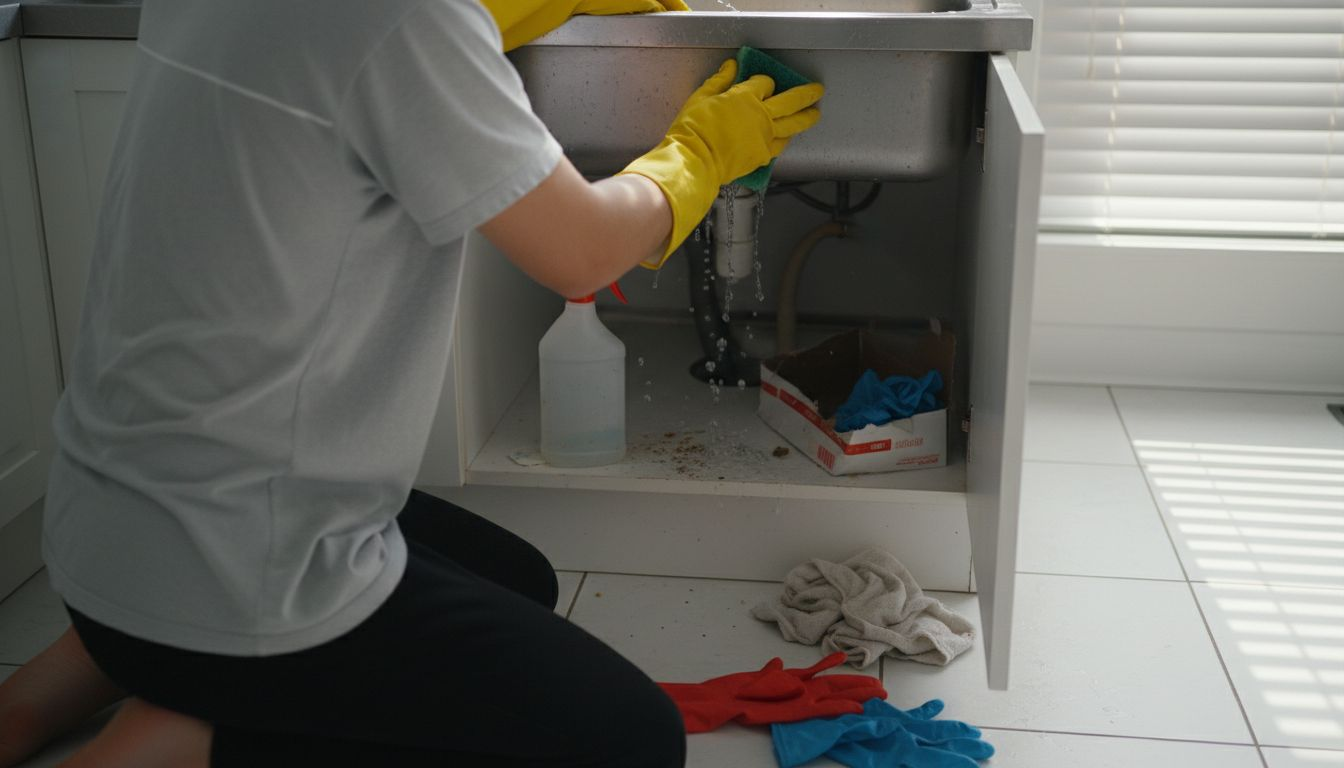
The lifecycle interruption process targets three critical pest survival components: food sources, water availability, and breeding environments. For instance, cockroaches require minimal resources to reproduce, with females capable of producing hundreds of offspring under favorable conditions. By eliminating food residues, sealing potential moisture sources, and maintaining clean surfaces, these reproductive cycles can be dramatically reduced.
Key lifecycle interruption strategies include:
- Removing organic food debris immediately
- Sealing food containers tightly
- Cleaning spills and crumbs promptly
- Reducing moisture in potential breeding areas
- Eliminating cluttered spaces that provide shelter
Beyond basic cleaning, healthy home maintenance practices demonstrate that thorough disinfection further reduces pest-transmittable microorganisms. This approach not only removes immediate attractions but also creates an environment that is fundamentally hostile to pest reproduction and survival.
Pro tip: Implement a consistent weekly deep-cleaning routine targeting hidden spaces and potential pest harborage areas to systematically disrupt potential pest breeding cycles.
Common Myths About Sanitation and Infestation
Disease control research reveals numerous misconceptions about sanitation that can compromise effective pest management. Homeowners often misunderstand the complex relationship between cleanliness and pest prevention, leading to ineffective strategies that fail to address the root causes of infestations.
One prevalent myth is the belief that occasional cleaning is sufficient to prevent pest problems. In reality, comprehensive sanitation requires consistent, thorough approaches that go beyond surface-level tidying. Simply wiping down counters or sweeping floors does not eliminate the underlying conditions that attract and sustain pest populations.
Common sanitation myths include:
- Cleaning once a week is enough to prevent pests
- Only dirty homes attract insects and rodents
- Personal hygiene alone prevents pest infestations
- Chemical sprays are more effective than sanitation practices
- Pests are random and cannot be systematically controlled
Beyond individual misconceptions, infectious disease prevention strategies highlight that environmental sanitation is a complex, multifaceted approach. Effective pest control requires understanding the intricate ecological conditions that support or discourage pest populations, rather than relying on oversimplified or reactive solutions.
Pro tip: Develop a consistent, comprehensive cleaning routine that targets hidden areas, eliminates moisture sources, and removes potential food attractions to create a genuinely pest-resistant environment.
Key Sanitation Strategies for Ohio Homeowners
Home cleaning guidelines provide crucial insights into maintaining a pest-resistant environment specific to Ohio’s unique residential landscapes. Ohio homeowners face distinctive challenges from seasonal humidity, varied housing styles, and regional pest populations that demand targeted sanitation approaches.
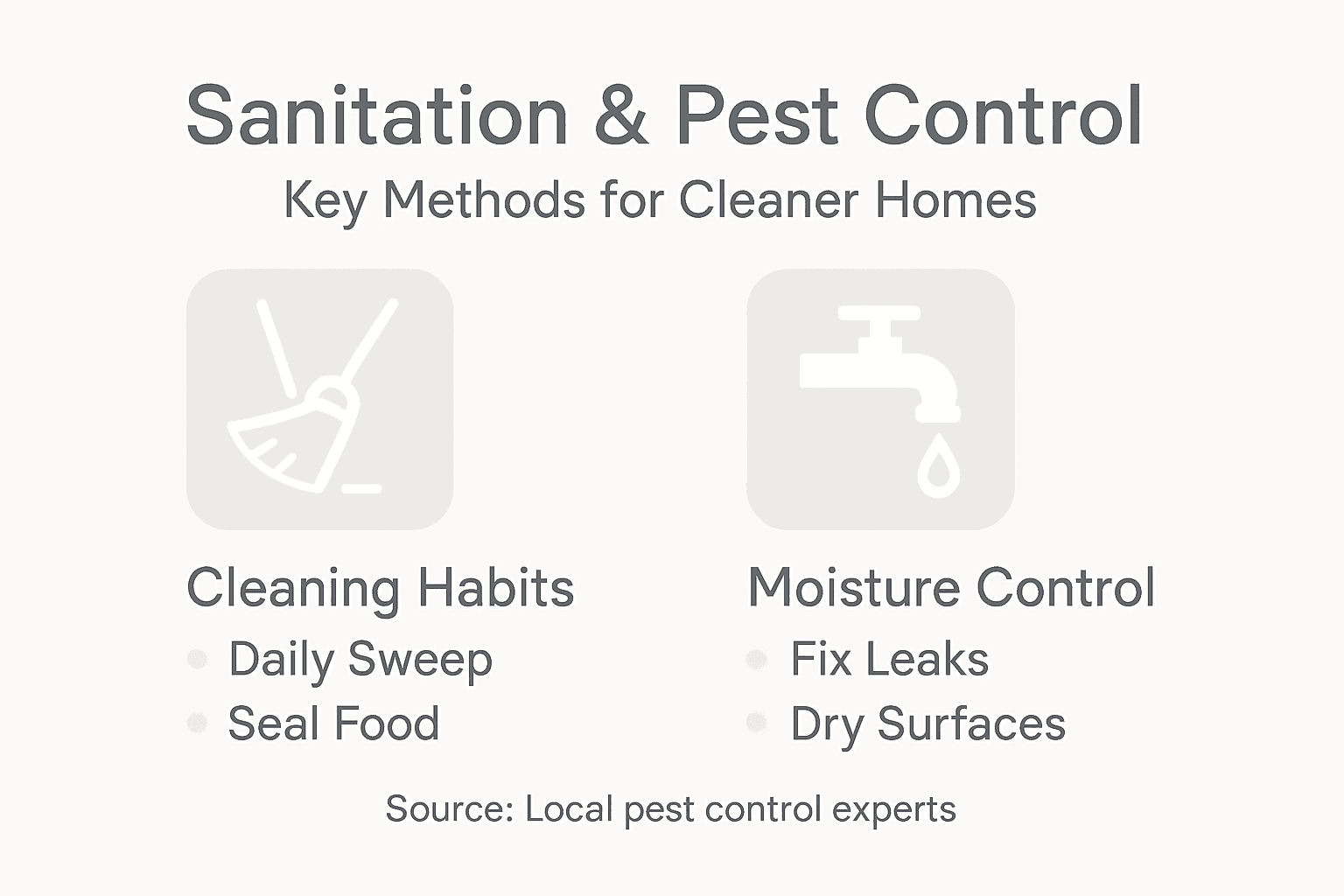
The foundation of effective pest control lies in understanding local environmental conditions. Moisture management becomes critical in preventing pest infestations, especially in older homes with potential structural vulnerabilities. Northeast Ohio’s climate creates ideal conditions for pests seeking shelter and water sources, making comprehensive sanitation more than just routine cleaning.
Key sanitation strategies for Ohio homes include:
- Sealing potential entry points around windows and foundations
- Maintaining proper drainage around home exteriors
- Regularly inspecting and repairing plumbing fixtures
- Storing food in airtight containers
- Keeping trash areas clean and sealed
- Removing standing water from property
- Cleaning gutters and exterior drainage systems
Beyond basic cleaning, septic system management plays a significant role in preventing pest habitats. Proper waste management not only protects water quality but also eliminates potential breeding grounds for insects and rodents that thrive in moist, organic environments.
Pro tip: Create a seasonal home maintenance checklist that addresses potential pest entry points and moisture sources, focusing on prevention rather than reactive treatment.
Eco-Friendly Solutions and Professional Support
Environmental protection guidelines demonstrate that modern pest control increasingly emphasizes sustainable, low-impact solutions that protect both human health and ecological systems. Ohio homeowners now have access to innovative approaches that go beyond traditional chemical treatments, focusing on integrated pest management strategies that minimize environmental disruption.
Eco-friendly pest control represents a holistic approach that combines preventative sanitation, targeted interventions, and professional expertise. Sustainable pest management prioritizes natural deterrents, biological controls, and strategic environmental modifications that create unfavorable conditions for pest populations without compromising ecosystem balance.
Key eco-friendly pest control strategies include:
- Using plant-based repellent solutions
- Implementing biological pest control methods
- Employing targeted, minimal-chemical interventions
- Creating natural barriers and habitats
- Utilizing advanced monitoring technologies
- Focusing on prevention over reactive treatments
- Maintaining comprehensive sanitation practices
Beyond individual interventions, professional sanitation standards provide critical oversight and quality assurance for pest management approaches. Professional pest control experts can assess unique property characteristics, identify potential vulnerabilities, and develop customized strategies that address specific environmental challenges while maintaining ecological integrity.
Compare eco-friendly pest control methods to traditional treatments:
| Approach | Environmental Impact | Long-Term Effectiveness | Safety for Homes |
|---|---|---|---|
| Eco-friendly solutions | Low, protects ecosystems | High with consistent effort | Safe for children |
| Traditional chemicals | Can harm environment | Effective but may rebound | Risk of exposure |
Pro tip: Consult with local pest control professionals who specialize in eco-friendly methods to develop a comprehensive, environmentally responsible pest management plan tailored to your specific property needs.
Strengthen Your Pest Control Success with Expert Sanitation Support
Sanitation plays a vital role in breaking pest life cycles by removing the food, water, and shelter pests rely on. If you struggle with persistent ants, rodents, or cockroaches despite your cleaning efforts, it may be time to take professional action. Apex Pest Control understands the importance of thorough sanitation combined with safe and eco-friendly treatments tailored to Ohio homes and businesses across Oakwood, Bedford Heights, Solon, and surrounding areas.
Don’t let myths about occasional cleaning or chemical sprays put your family at risk. Our licensed technicians specialize in comprehensive pest management that targets the root causes of infestations with proven sanitation strategies and customized plans. Discover how our local experts can help you create a pest-resistant environment by visiting Uncategorized Archives – Apex Pest Control to learn more. Ready to protect your property now with trusted local service backed by over 200 five-star reviews? Request your free estimate today at Apex Pest Control Free Quote and take the first step toward lasting pest control success.
Frequently Asked Questions
What is the role of sanitation in pest control?
Sanitation plays a crucial role in pest control by removing potential food sources, breeding environments, and habitats for pests, creating an inhospitable environment for them.
How can I improve sanitation to prevent pest infestations?
To improve sanitation, store food in sealed containers, eliminate standing water, regularly clean and declutter spaces, and properly manage waste.
Which pests are most affected by poor sanitation?
Cockroaches, ants, rodents, bed bugs, and moths are among the pests most impacted by poor sanitation, as they thrive in environments with food debris and moisture.
How does cleaning disrupt pest life cycles?
Regular and thorough cleaning disrupts pest life cycles by removing food sources, sealing moisture, and cleaning breeding areas, thereby preventing pests from establishing and reproducing.