



Every year, rodents cause over $19 billion in property damage across american homes and businesses. When left unchecked, even a minor rodent problem can escalate into expensive repairs and serious health concerns. Taking early action protects your property, minimizes risks to your family or customers, and helps ensure lasting peace of mind. Learn practical steps to identify, control, and prevent rodent infestations for a safer, cleaner environment.
Table of Contents
- Step 1: Inspect Property For Rodent Activity
- Step 2: Seal Entry Points And Remove Attractants
- Step 3: Select And Apply Safe Control Methods
- Step 4: Monitor Results And Adjust Strategies
- Step 5: Verify Rodent Elimination And Prevent Return
Quick Summary
| Key Point | Explanation |
|---|---|
| 1. Inspect for rodent signs | Conduct thorough inspections for droppings, gnaw marks, and sounds to detect early rodent activity and prevent infestations. |
| 2. Seal all potential entry points | Use durable materials to close gaps larger than a quarter inch to prevent rodents from accessing your property. |
| 3. Use safe control methods | Implement a combination of traps and bait stations safely, following guidelines to minimize risks to people and pets. |
| 4. Monitor for ongoing activity | Regularly check identified areas for new signs of rodents, adjusting control strategies based on the findings to ensure effectiveness. |
| 5. Verify elimination and prevent reentry | After rodent eradication, maintain sanitation and sealing practices to confirm elimination and prevent future infestations. |
Step 1: Inspect property for rodent activity
Detecting rodent activity early is crucial for preventing widespread infestations and potential property damage. According to the EPA, thorough property inspections help identify signs of rodent presence before they become major problems.
Begin your inspection by carefully examining both interior and exterior areas of your home or business. Look for telltale signs like small, dark droppings resembling rice grains, gnaw marks on wood or electrical wiring, and greasy rub marks along walls and baseboards. Pay special attention to dark, secluded areas like attics, basements, crawl spaces, and storage rooms where rodents often establish nests. The CDC recommends checking for stale, musty odors and listening for scratching sounds inside walls or ceilings, which can indicate hidden rodent activity.
A key warning: if you discover multiple signs of rodent presence, such as numerous droppings or extensive gnaw marks, consider contacting a professional pest control service like Rodent Control Services Near Me for a comprehensive assessment and targeted treatment plan. Prompt action can prevent potential health risks and structural damage to your property.
Step 2: Seal entry points and remove attractants
Preventing rodent access and eliminating potential nesting sites is a critical strategy for protecting your home or business from infestations. According to the EPA, comprehensive rodent control involves sealing potential entry points and removing environmental factors that attract these pests.
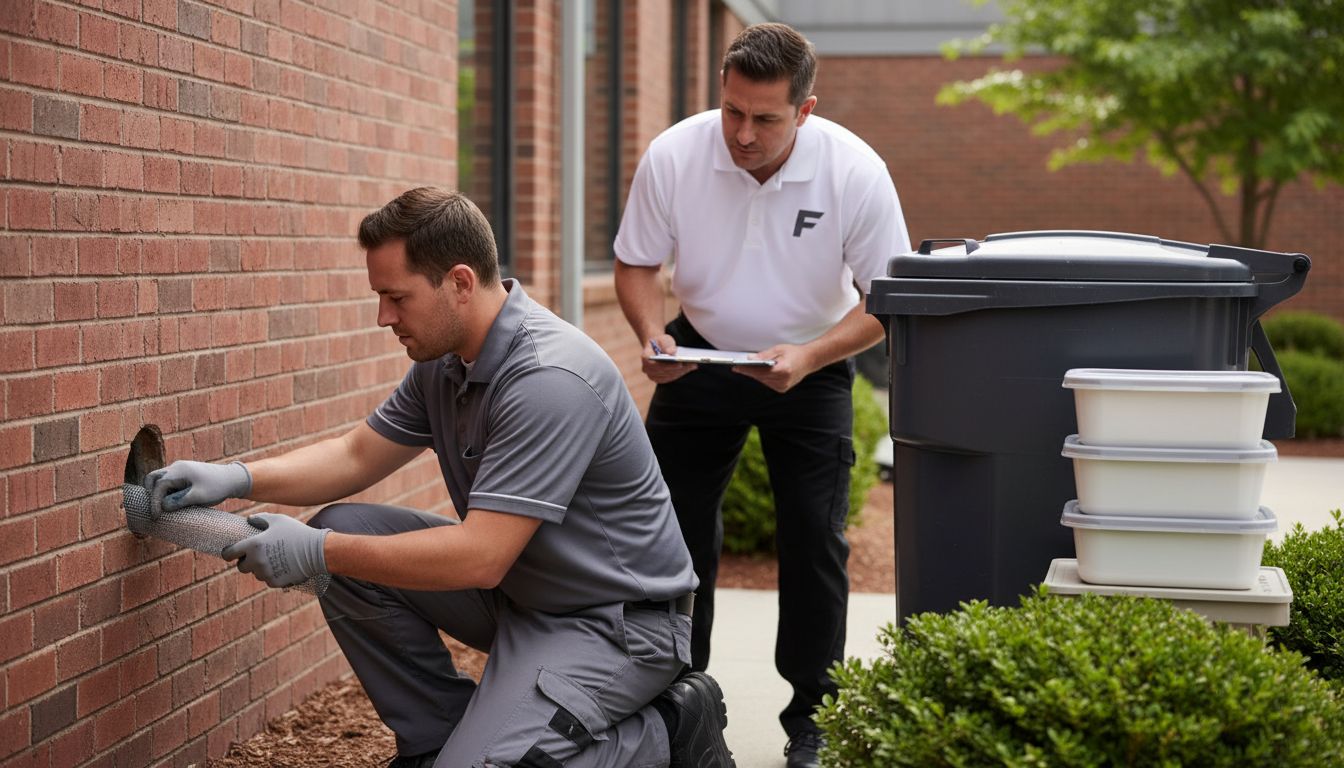
Start by conducting a thorough inspection of your property’s exterior and interior walls, looking for any openings larger than a quarter inch. Use durable materials like steel wool, wire mesh, or specialized rodent-proof sealants to close gaps around pipes, vents, windows, and foundation cracks. Cornell University’s Integrated Pest Management recommends maintaining a clean environment by storing food in sealed containers, managing garbage efficiently, and removing potential outdoor nesting materials like woodpiles and overgrown vegetation.
A critical warning for homeowners and business managers: rodents can squeeze through incredibly small openings, so be meticulous in your sealing process. Even a gap the size of a dime can provide entry for mice. Consider consulting a professional Rodent Control Service if you are uncertain about effectively blocking all potential entry points.
Step 3: Select and apply safe control methods
Choosing the right rodent control approach requires careful consideration of effectiveness, safety, and environmental impact. EPA guidelines emphasize the importance of selecting control methods that minimize risks to humans, pets, and non target wildlife while effectively managing rodent populations.
For most residential and commercial settings, a combination of mechanical traps and targeted rodenticide treatments works best. Snap traps and live capture traps offer immediate mechanical control, while tamper resistant bait stations provide a strategic approach for larger infestations. The University of Missouri Extension recommends using professional grade equipment and following strict safety protocols when applying any rodent control solutions. Always wear protective gloves, place traps and bait stations in areas inaccessible to children and pets, and check them regularly to remove captured rodents promptly.
A critical warning for property owners: never place rodenticides or traps in open areas where unintended animals or humans might encounter them. Consider consulting a professional Rodent Control Service if you are uncomfortable handling these methods or dealing with a significant rodent problem. Professional technicians can provide targeted treatments that are both safe and highly effective.
Step 4: Monitor results and adjust strategies
Successful rodent control is an ongoing process that requires consistent attention and strategic adaptation. Cornell University’s Integrated Pest Management emphasizes the importance of continuous monitoring to evaluate the effectiveness of your initial control methods and make necessary adjustments.
Establish a systematic approach to tracking rodent activity by conducting weekly inspections of previously identified problem areas. Look for new droppings, gnaw marks, or signs of recent rodent movement that might indicate your current strategies are not fully effective. The DC Health Department recommends maintaining detailed records of your observations, including dates, locations, and types of control methods used. This documentation will help you identify patterns and determine when to modify your approach.
A critical warning for property owners: do not become complacent after initial success. Rodents are adaptive creatures that can quickly return if control measures are relaxed. If you notice persistent activity or feel overwhelmed, consider consulting a professional Rodent Control Service that can provide ongoing monitoring and expert intervention.
Step 5: Verify rodent elimination and prevent return
Confirming complete rodent elimination and implementing long term prevention strategies are crucial final steps in comprehensive pest management. CDC guidelines emphasize the importance of thorough cleanup and sanitization to ensure no potential health risks remain after rodent control efforts.
Conduct a comprehensive final inspection by carefully examining all previously identified problem areas for any signs of remaining rodent activity. Look for fresh droppings, new gnaw marks, or unexpected sounds within walls and hidden spaces. The EPA recommends maintaining a clean environment and permanently sealing potential entry points to prevent future infestations. Dispose of any contaminated materials safely using protective gear and disinfect surfaces thoroughly to eliminate potential disease transmission risks.
A critical warning for property owners: remain vigilant even after successful elimination. Rodents can return quickly if prevention measures are not consistently maintained. If you feel uncertain about complete eradication, consider consulting a professional Exterior Rodent Control service that can provide expert verification and ongoing prevention strategies.
Take Control of Rodent Problems Safely and Effectively Today
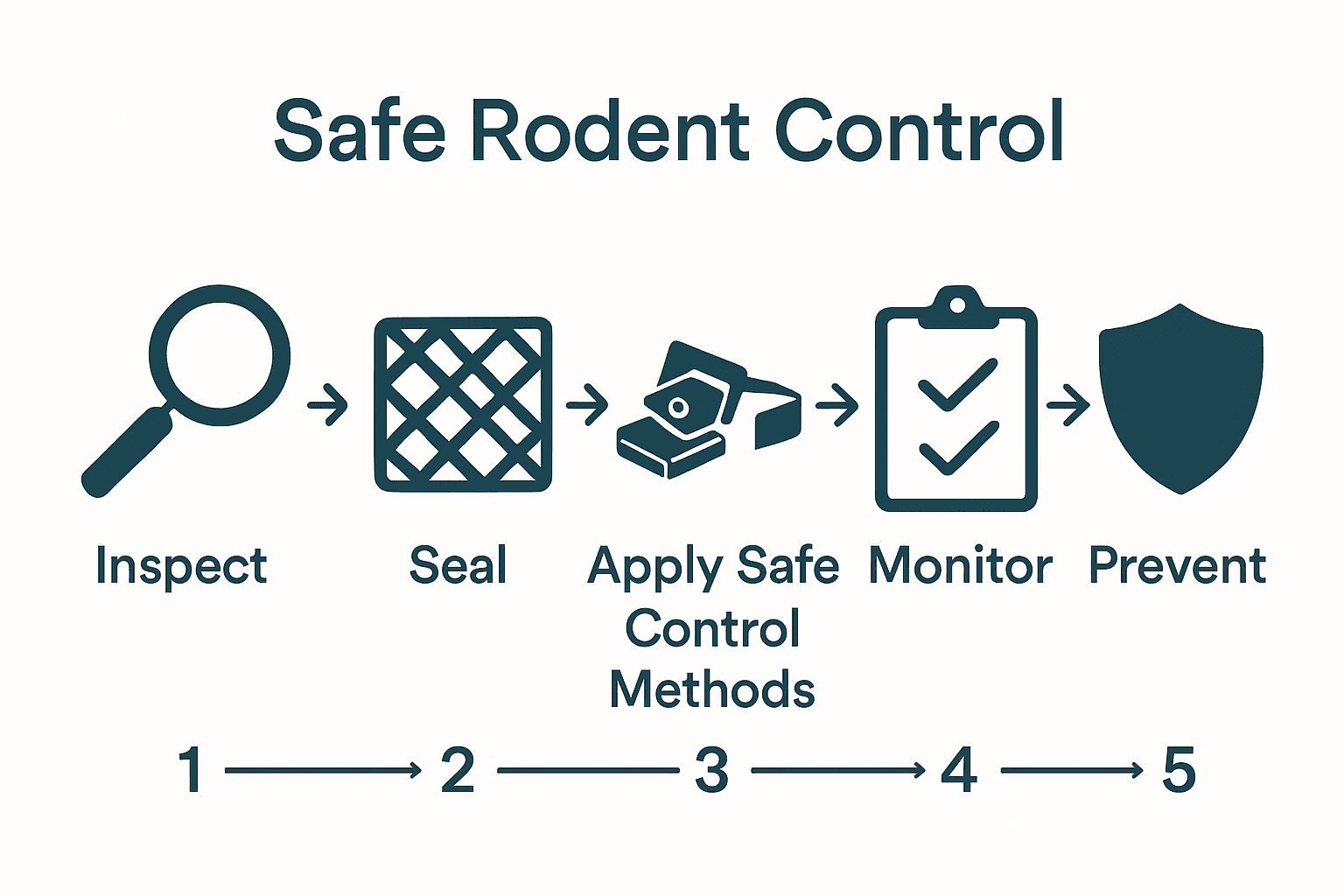
Dealing with rodents can be stressful and risky without the right knowledge and tools. This article highlighted critical steps like inspecting your property, sealing entry points, and using safe control methods while emphasizing continuous monitoring and prevention.
 If you want to protect your home or business from health hazards and costly damage, taking professional action is the best course. Our team at Apex Pest Control understands these challenges and offers comprehensive solutions that prioritize your safety, your family, and your environment.
Don’t wait until rodents cause irreversible harm. Explore our proven rodent management strategies and customized service programs in the Uncategorized Archives – Apex Pest Control. Ready for expert help that is both courteous and effective? Get your personalized plan today by requesting a free quote and learn how our Exterior Rodent Control services can keep your property secure for the long term.
Frequently Asked Questions
What are the first signs of rodent activity I should look for in my home or business?
Detecting signs of rodent activity early is vital. Look for small, dark droppings, gnaw marks on wood or wires, and greasy rub marks along walls. Check secluded areas like attics and basements for signs of nests and listen for scratching sounds within walls.
How can I effectively seal entry points to prevent rodents from entering?
To seal entry points, inspect your property for any openings larger than a quarter inch. Use durable materials like steel wool or wire mesh to block these gaps around pipes, vents, and windows, ensuring complete coverage to keep rodents out.
What safe control methods can I use to manage a rodent problem?
For effective rodent control, use a combination of mechanical traps and bait stations. Mechanical traps provide immediate results, while bait stations can help manage larger infestations; check them regularly to remove captured rodents.
How can I monitor rodent activity after implementing control measures?
Establish a systematic approach by conducting weekly inspections of previously identified problem areas. Look for new droppings or signs of movement that suggest your control methods need adjustment.
What steps should I take to verify rodent elimination in my property?
To confirm rodent elimination, conduct a final inspection of all problem areas for any signs of activity. Check for fresh droppings or new gnaw marks and ensure you have sealed entry points to prevent future infestations.
How can I prevent a recurrence of rodent issues after control measures?
To prevent future infestations, maintain a clean environment and regularly check for potential entry points. Permanently seal any openings and dispose of food waste properly within 30 days to ensure rodents do not return.