



Over one third of American households in Ohio report seasonal pest problems peaking every spring and summer. Protecting families from mosquitoes, ticks, and other invaders is not just a warm-weather concern, it is a year-round priority for Ohio residents. As communities search for greener solutions, understanding how seasonal pest patterns put loved ones and pets at risk empowers homeowners to take eco-friendly action that safeguards the home while supporting a healthier environment.
Table of Contents
- Defining Seasonal Pest Prevention and Its Importance
- Seasonal Pest Patterns and High-Risk Ohio Pests
- How Prevention Tactics Target Predicted Infestations
- Eco-Friendly Pest Management for Family Safety
- Common Mistakes Homeowners Make With Prevention
Key Takeaways
| Point | Details |
|---|---|
| Importance of Seasonal Pest Prevention | Proactively monitor and manage pest populations to prevent significant invasions in Ohio homes. |
| Understanding High-Risk Pests | Recognize seasonal patterns of pests like mosquitoes, ants, and rodents to implement timely control measures. |
| Integrated Pest Management (IPM) Strategies | Use eco-friendly, holistic approaches that prioritize pest prevention through cultural, mechanical, and minimal chemical controls. |
| Common Homeowner Mistakes | Avoid reactive treatments without proper pest identification to prevent creating chemical-resistant populations and to ensure effective management. |
Defining Seasonal Pest Prevention and Its Importance
Seasonal pest prevention is a strategic approach designed to protect Ohio homes from potential pest invasions by understanding and addressing pest activity patterns throughout the year. At its core, this method involves proactively monitoring, identifying, and managing pest populations before they become significant problems. Integrated pest management (IPM) represents an ecosystem-based strategy that focuses on long-term prevention through comprehensive techniques that minimize risks to people, property, and the environment.
In Ohio, seasonal pest prevention is particularly crucial due to the state’s diverse climate and varied seasonal conditions that create unique opportunities for different pest species to thrive. The approach goes beyond simple extermination, emphasizing understanding pest behaviors, life cycles, and environmental interactions. By utilizing knowledge about pests and their seasonal biology, homeowners can develop targeted strategies that reduce reliance on chemical treatments and promote a healthier living environment.
The key components of effective seasonal pest prevention include regular property inspections, identifying potential entry points, understanding local pest migration patterns, and implementing preventative measures specific to each season. This might involve sealing exterior cracks, managing vegetation near the home, reducing moisture accumulation, and using environmentally friendly deterrent techniques. By anticipating and addressing potential pest issues before they escalate, Ohio homeowners can protect their properties more effectively and maintain a safe, comfortable living space.
Pro tip: Conduct a thorough property perimeter check each season change, focusing on potential pest entry points like foundation cracks, window seals, and utility line penetrations to prevent unwanted intrusions.
Seasonal Pest Patterns and High-Risk Ohio Pests
Ohio’s diverse climate creates a complex ecosystem where pest populations fluctuate dramatically throughout the year, presenting unique challenges for homeowners. Seasonal pest activity in Ohio follows specific patterns closely linked to climate and plant development phases, making understanding these cycles critical for effective prevention. The state experiences distinct pest migrations and population surges that correspond with temperature changes, humidity levels, and seasonal vegetation growth.
High-risk pests in Ohio homes represent a diverse group of potential invaders, each with unique seasonal behaviors. Common problematic species include ticks, bed bugs, brown marmorated stink bugs, and various household pests that can rapidly multiply under favorable conditions. During spring and summer months, mosquitoes, ants, and ticks become particularly active, while fall and winter bring increased indoor pest pressures from rodents, spiders, and overwintering insects seeking warm shelter.
Here is a summary of Ohio’s most common seasonal pests and the typical months they pose risks:
| Pest Type | High-Risk Months | Typical Habitat | Main Concerns |
|---|---|---|---|
| Mosquitoes | May–September | Near standing water | Disease transmission |
| Ants | April–August | Kitchens, gardens | Food contamination |
| Ticks | May–October | Grass, wooded areas | Lyme disease risk |
| Rodents | October–March | Basements, attics | Property and food damage |
| Brown Marmorated Stink Bugs | September–November | Exterior walls | Home invasions, odor issue |
| Spiders | October–March | Dark indoor spaces | Unwanted indoor presence |
Understanding these seasonal patterns allows homeowners to implement targeted prevention strategies. For instance, early spring requires focused attention on sealing potential entry points, managing yard debris, and reducing standing water that attracts mosquitoes. Summer demands proactive tick and ant control, especially in wooded or grassy areas. Fall calls for rodent-proofing homes, and winter necessitates interior inspections for potential indoor pest infestations. By recognizing these predictable pest behaviors, Ohio residents can develop comprehensive protection plans that minimize potential invasions.
Pro tip: Create a seasonal pest prevention calendar that maps out specific prevention tasks for each season, helping you stay proactive and systematically address potential pest vulnerabilities.
How Prevention Tactics Target Predicted Infestations
Integrated Pest Management (IPM) strategies employ sophisticated prevention tactics that anticipate and disrupt pest life cycles before substantial infestations can develop. These comprehensive approaches go beyond reactive treatments, focusing instead on understanding pest behaviors, identifying vulnerabilities, and implementing targeted interventions that minimize potential breeding grounds and entry points.
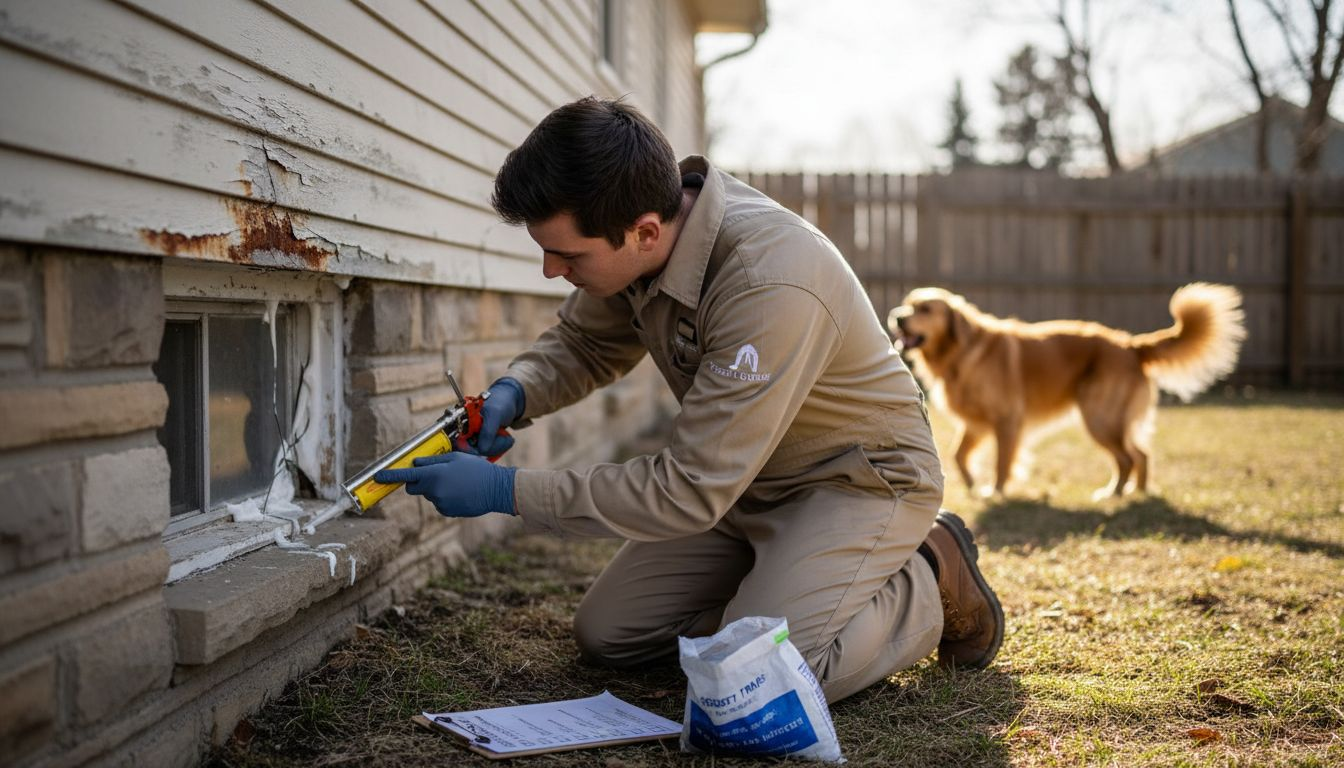
Prevention tactics typically incorporate multiple strategic approaches, including cultural, mechanical, and limited chemical controls. Effective home protection involves eliminating pest access to critical resources like food, water, and shelter, targeting the fundamental survival needs that attract pests to residential spaces. This might include sealing structural gaps, managing moisture issues, maintaining clean environments, and strategically modifying landscapes to reduce pest habitation opportunities.
The most successful prevention strategies rely on careful monitoring and setting precise action thresholds that correspond with seasonal pest activity patterns. Homeowners can implement proactive measures like regular property inspections, removing potential nesting materials, trimming vegetation near structures, and addressing moisture problems that create attractive environments for pests. By understanding specific pest behaviors and anticipating their seasonal movements, residents can develop nuanced prevention plans that interrupt potential infestations before they gain momentum.
Compare these pest prevention approaches to determine which best fits your home’s needs:
| Prevention Approach | Typical Methods | Long-Term Effectiveness | Environmental Impact |
|---|---|---|---|
| Chemical Treatments | Sprays, foggers, baits | Immediate, not lasting | High, risk to non-targets |
| Mechanical Controls | Traps, barriers, sealing | Consistent, seasonal | Low, targeted and safe |
| Cultural Practices | Cleaning, moisture control | Excellent with consistency | Very low, eco-friendly |
Pro tip: Conduct quarterly comprehensive property assessments, systematically checking potential pest entry points and addressing environmental conditions that might attract unwanted visitors.
Eco-Friendly Pest Management for Family Safety
Integrated Pest Management (IPM) provides a holistic approach to protecting families from pest-related risks while minimizing environmental impact. This sophisticated strategy moves beyond traditional pest control by prioritizing human and ecological health, focusing on prevention, careful identification, and targeted interventions that reduce exposure to harmful chemicals. The core principle is addressing pest problems through the least invasive methods possible, ensuring safety for children, pets, and the surrounding ecosystem.
Eco-friendly pest management incorporates multiple layers of strategic control methods. Cultural and mechanical controls form the foundation of safe pest prevention, emphasizing physical barriers, habitat modification, and natural deterrence techniques. This might include sealing entry points, removing standing water, maintaining clean environments, and using biological controls like beneficial insects that naturally manage pest populations without introducing toxic substances into the home environment.
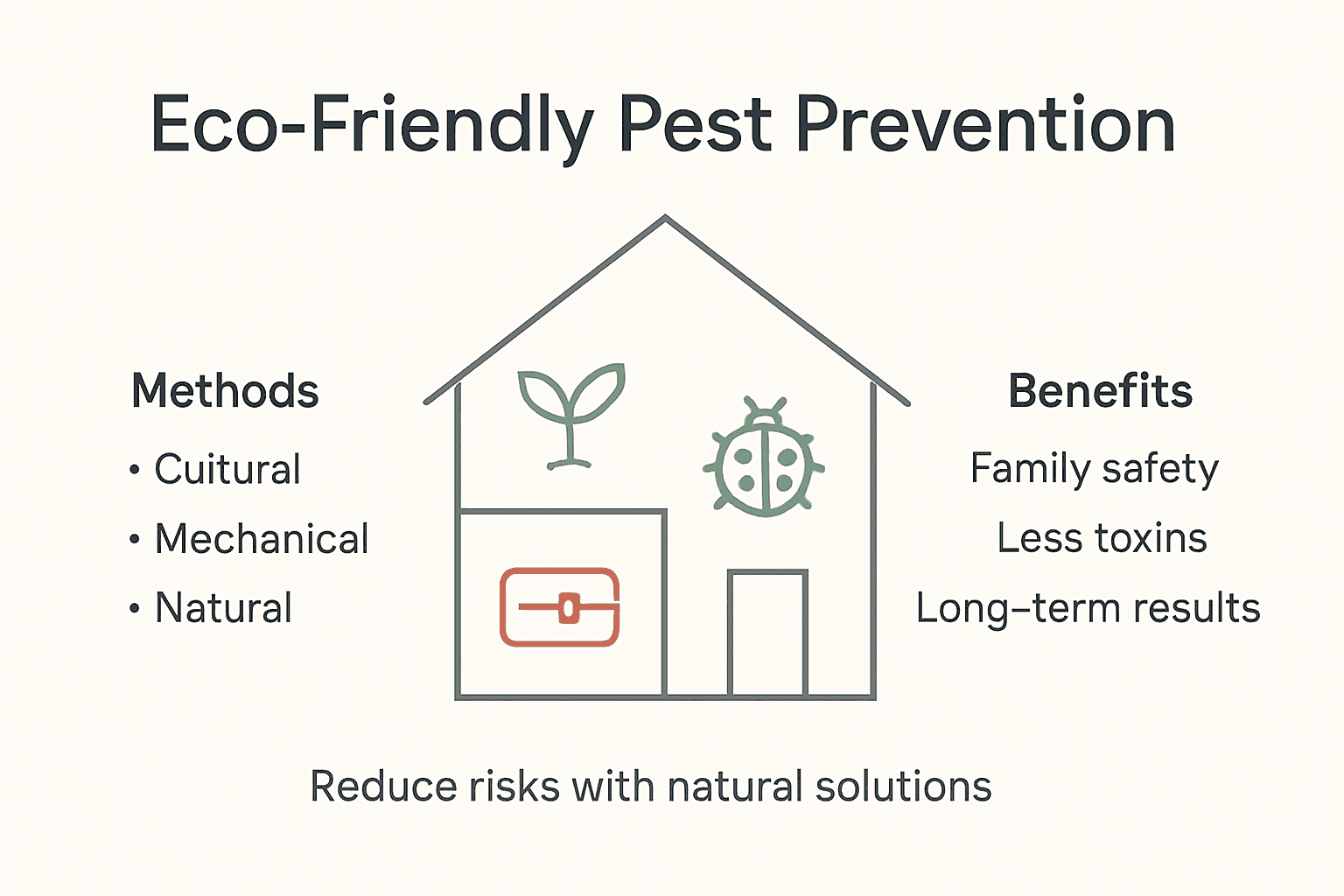
Successful eco-friendly pest management requires a comprehensive understanding of pest behaviors, local ecosystems, and potential environmental interactions. Homeowners can implement strategies such as regular property inspections, natural repellent plantings, maintaining proper moisture control, and using targeted, low-toxicity treatments only when absolutely necessary. By adopting a proactive and holistic approach, families can effectively manage pest populations while protecting their health and maintaining a balanced, sustainable living environment.
Pro tip: Develop a seasonal pest prevention plan that prioritizes natural prevention methods, focusing on creating an inhospitable environment for pests through strategic home maintenance and ecological controls.
Common Mistakes Homeowners Make With Prevention
Many homeowners unintentionally compromise their pest prevention efforts by applying insecticides without proper evidence of pest presence, leading to wasted resources and potential ecological disruption. This reactive approach often stems from panic or misunderstanding, causing more harm than good by potentially creating pesticide-resistant populations and unnecessarily exposing families to chemical treatments when alternative strategies could be more effective.
Improper pest identification represents another critical error in home pest management. Homeowners frequently misdiagnose pest species and apply inappropriate treatments that can increase health risks and reduce long-term control effectiveness, failing to address the root causes of pest infestations. These mistakes can include misunderstanding pest behaviors, overlooking subtle entry points, and neglecting fundamental environmental modifications that naturally discourage pest populations.
Key prevention mistakes include failing to maintain consistent home maintenance, ignoring moisture control, leaving potential food sources accessible, and neglecting regular property inspections. Successful pest management requires a proactive, holistic approach that considers the entire ecosystem of the home. This means understanding local pest patterns, sealing potential entry points, maintaining proper sanitation, and creating environments that are naturally inhospitable to unwanted visitors.
Pro tip: Create a seasonal home maintenance checklist that systematically addresses potential pest vulnerabilities, focusing on prevention rather than reactive treatment.
Protect Your Ohio Home With Expert Seasonal Pest Prevention
Ohio homeowners know that seasonal pest patterns demand proactive and informed defense to keep unwanted invaders like ticks, rodents, and stink bugs outside where they belong. If you want to safeguard your family and property by addressing pest vulnerabilities seasonally with tailored tactics, taking a comprehensive and eco-friendly approach is crucial. Apex Pest Control understands these challenges and offers personalized residential services designed to align with integrated pest management principles highlighted in this article.
Don’t let the stress of persistent pest threats disrupt your peace of mind. Explore practical, environmentally responsible solutions including Mosquito Prevention, Flea & Tick Prevention, and Exterior Rodent Control that adapt as the seasons change. For a clearer understanding of how we can help you maintain a pest-free home all year, visit our Uncategorized Archives – Apex Pest Control. Ready to take control now Protect your home effectively by requesting a personalized plan today through our free quote page. Your safe and comfortable home awaits.
Frequently Asked Questions
What is seasonal pest prevention?
Seasonal pest prevention is a proactive strategy that focuses on monitoring, identifying, and managing pest populations throughout the year to prevent significant infestations in homes. It involves understanding pest activity patterns and implementing targeted measures to minimize risks.
Why is seasonal pest prevention important for homeowners?
Seasonal pest prevention is vital because it helps protect homes from various potentially harmful pests by addressing their seasonal behavior patterns. This approach reduces reliance on chemical treatments and promotes a safer, healthier living environment.
What are some key components of effective seasonal pest prevention?
Effective seasonal pest prevention includes regular property inspections, sealing entry points, managing vegetation, reducing moisture accumulation, and utilizing eco-friendly deterrent techniques to minimize pest access and breeding opportunities.
How can homeowners create a pest prevention calendar?
Homeowners can create a seasonal pest prevention calendar by mapping out specific tasks for each season, such as sealing cracks, managing outdoor vegetation, and inspecting for signs of pest activity. This organized approach helps ensure consistent monitoring and interventions.