



Finding unexpected droppings or strange odors in your Oakwood, Bedford Heights, or Solon home can signal more than a minor nuisance. When pests start causing harm to your property, health, or well-being, you’re facing a pest infestation that needs prompt attention. Knowing the signs and understanding what constitutes a true infestation helps you protect your home, avoid costly damage, and choose safer, eco-friendly pest control options designed for Ohio families.
Table of Contents
- What Counts As A Pest Infestation
- Common Household Pests In Ohio Homes
- Telltale Warning Signs You Shouldn’t Ignore
- Health, Property, And Financial Risks
- Eco-Friendly Solutions For Lasting Relief
Key Takeaways
| Point | Details |
|---|---|
| Understanding Infestation | A pest infestation occurs when populations cause harm to health, property, or safety, needing professional assessment when signs are evident. |
| Recognizing Signs | Visible signs, such as droppings and structural damage, indicate an active infestation and require immediate action to avoid escalation. |
| Professional Assessment Importance | Professional pest control can identify the scope of infestations and their entry points, preventing significant damage and health risks. |
| Eco-Friendly Solutions | Integrated Pest Management emphasizes preventative measures and sustainable practices for long-term pest control effectiveness without harsh chemicals. |
What Counts as a Pest Infestation
You might spot a few ants in your kitchen and wonder: is this a pest infestation? The answer depends on several factors that determine whether you’re dealing with a minor issue or a serious problem requiring professional intervention.
A pest infestation occurs when an animal population causes harm to your home, health, or property. This isn’t just about seeing one or two insects. Infestations involve populations that damage structures, contaminate food, transmit diseases, or create conditions threatening your family’s safety and comfort.
Understanding the Difference
Not every bug you find means you have an infestation. The key distinction lies in population size, frequency of sightings, and the damage or risk being caused.
Single pest encounters:
- You find one mouse in your garage
- A wasp builds a nest far from your home’s entrances
- You spot an ant or two near your kitchen counter
Signs of actual infestation:
- Multiple sightings daily in the same areas
- Visible droppings, shed skins, or damage to walls and food
- Musty odors or strange sounds in walls and attics
- Evidence of nesting or breeding activity
- Health symptoms like bites, stings, or allergic reactions
A true infestation means pests are reproducing and establishing populations in or around your home, not just passing through.
In Oakwood and Bedford Heights, homeowners often notice infestations during seasonal transitions. Fall temperatures push rodents and insects indoors seeking shelter. Spring brings wasps and other pests emerging from winter dormancy. Summer heat intensifies ant and pest activity in basements and crawl spaces.
What Triggers an Infestation
An infestation begins when a pest population finds three essential conditions in your home: food sources, water, and shelter. Cluttered basements, unsealed foundation cracks, and food storage problems create ideal breeding grounds.
The progression happens quickly. A single pregnant mouse can produce 5-10 litters annually. One termite colony contains thousands of workers consuming wood simultaneously. Understanding this growth helps explain why professional treatment becomes necessary fast.
In Solon’s older residential neighborhoods, foundation settling and aging wood create perfect entry points for termites and carpenter ants. These pests cause structural damage that compounds over months, making early identification critical.
How to Know If You Have One
Look for these concrete indicators in your Ohio home:
- Droppings in cabinets, drawers, or corners (size indicates pest type)
- Damaged food packaging with bite marks or holes
- Staining or smudges along walls where pests travel
- Strange sounds in walls at night (scratching, squeaking)
- Visible insects or rodents during daytime hours
- Structural damage to wood, drywall, or insulation
- Unusual odors (musty, ammonia-like, or sweet smells)
When you notice multiple signs together, you’re dealing with an active infestation requiring immediate professional assessment. Waiting allows populations to grow exponentially, making treatment more difficult and expensive.
Why Professional Assessment Matters
Homeowners often underestimate infestation severity. What appears to be a small problem in your basement may represent a large hidden colony in your walls. Professional pest control technicians can identify infestation scope, entry points, and risk factors you’d miss.
Apex Pest Control specialists conduct thorough inspections of homes throughout Oakwood, Bedford Heights, and Solon, identifying pest activity before it becomes catastrophic. Early detection prevents thousands in structural damage and health risks.
Pro tip: Document pest sightings with dates and locations before calling a professional—this information helps technicians pinpoint infestation sources and develop targeted treatment strategies.
Common Household Pests in Ohio Homes
Ohio homeowners face a consistent battle with pests year-round, but certain species cause the most trouble. Understanding which pests threaten your Oakwood, Bedford Heights, or Solon home helps you recognize infestations early and take appropriate action.
The most problematic Ohio pests fall into several categories: rodents that damage structures and contaminate food, insects that bite or sting, and invaders seeking winter shelter. Each requires different identification methods and treatment approaches.
Here’s a summary of the most common Ohio household pests and the risks they pose:
| Pest Type | Primary Risk | Typical Entry Points | Treatment Challenge |
|---|---|---|---|
| Mice | Disease, food contamination | Gaps as small as a dime | Rapid breeding indoors |
| Rats | Structural/fire damage | Foundation cracks, sewers | Gnawing damages wiring |
| Termites | Invisible wood destruction | Aging wood, settled slabs | Damage often unnoticed |
| Bed Bugs | Skin reactions, sleep loss | Bedding, furniture cracks | Resistant to treatments |
| Wasps/Hornets | Allergic reactions, stings | Eaves, outdoor structures | Aggressive defending nests |
| Ants | Food contamination, wood rot | Walls, basements, kitchens | Large colonies in walls |
| Stink Bugs/Lady Beetles | Nuisance, home vulnerability | Attics, wall voids | Dormant until spring |
Rodents: Mice and Rats
Mice are the most common indoor pest in Ohio homes. These small rodents squeeze through gaps as tiny as a dime, contaminating food and insulation with droppings. A single mouse produces 50 to 75 droppings daily, creating serious health hazards.
Rats are larger and more destructive than mice. Norway rats and roof rats both invade Ohio homes, gnawing through wood, wiring, and drywall. Their damage leads to structural problems and fire risks from exposed electrical wires.
Both rodents breed rapidly indoors, making early detection critical for preventing major infestations.
Insects That Bite and Sting
Wasps and hornets become aggressive near their nests, especially in late summer. Nests near your home’s entry points or outdoor living areas pose safety risks for your family.
Bed bugs hide in bedding, furniture, and wall cracks, feeding on human blood at night. Bites cause itching and allergic reactions, and infestations spread quickly through homes.
Ants are persistent scavengers that contaminate food and build colonies in walls. Carpenter ants specifically damage wood structures, weakening your home’s integrity.
Seasonal Winter Invaders
Brown marmorated stink bugs and multicolored Asian lady beetles seek shelter inside homes as temperatures drop. While they cause minimal damage indoors, their presence annoys homeowners and indicates home vulnerabilities.
These pests gather in attics, wall voids, and basements during fall, remaining dormant until spring warmth activates them.
Termites: The Silent Destroyers
Termites work invisibly inside your home’s wooden structures, consuming wood for months or years before visible damage appears. A single colony contains thousands of workers that consume wood continuously. In Solon’s older neighborhoods with aging wooden foundations, termite risk remains high year-round.
Termite damage costs Ohio homeowners thousands in repair expenses annually.
Quick Recognition Guide
Identify which pest threatens your home:
- Droppings resembling pepper grains = Mice
- Larger, darker droppings = Rats
- Small red or brown insects in bedding = Bed bugs
- Trails of ants leading to food = Ant colonies
- Wood that sounds hollow when tapped = Termite damage
- Cluster of brown beetles in walls = Lady beetles overwintering
Ohio’s climate creates perfect conditions for multiple pest species, meaning your home may host more than one type simultaneously.
Professional pest control specialists identify which pests infest your specific home and develop targeted treatment plans. Apex Pest Control technicians throughout Oakwood, Bedford Heights, and Solon inspect homes thoroughly, catching infestations before they cause serious damage.
Pro tip: Seal foundation cracks and gaps around utility lines with caulk before fall arrives—this single step prevents 80 percent of seasonal pest invasions in Ohio homes.
Telltale Warning Signs You Shouldn’t Ignore
Pest infestations rarely announce themselves loudly. Instead, they leave quiet clues that most homeowners miss until the problem becomes severe. Learning to spot these warning signs early means catching infestations when they’re easiest and cheapest to treat.
The difference between a manageable pest problem and a costly disaster often comes down to noticing these telltale indicators before populations explode.
Droppings and Physical Debris
Droppings are one of the clearest infestation signs. Mouse droppings resemble small dark grains of rice scattered near food sources, baseboards, or inside cabinets. Rat droppings are larger and darker, often found along walls and in corners.
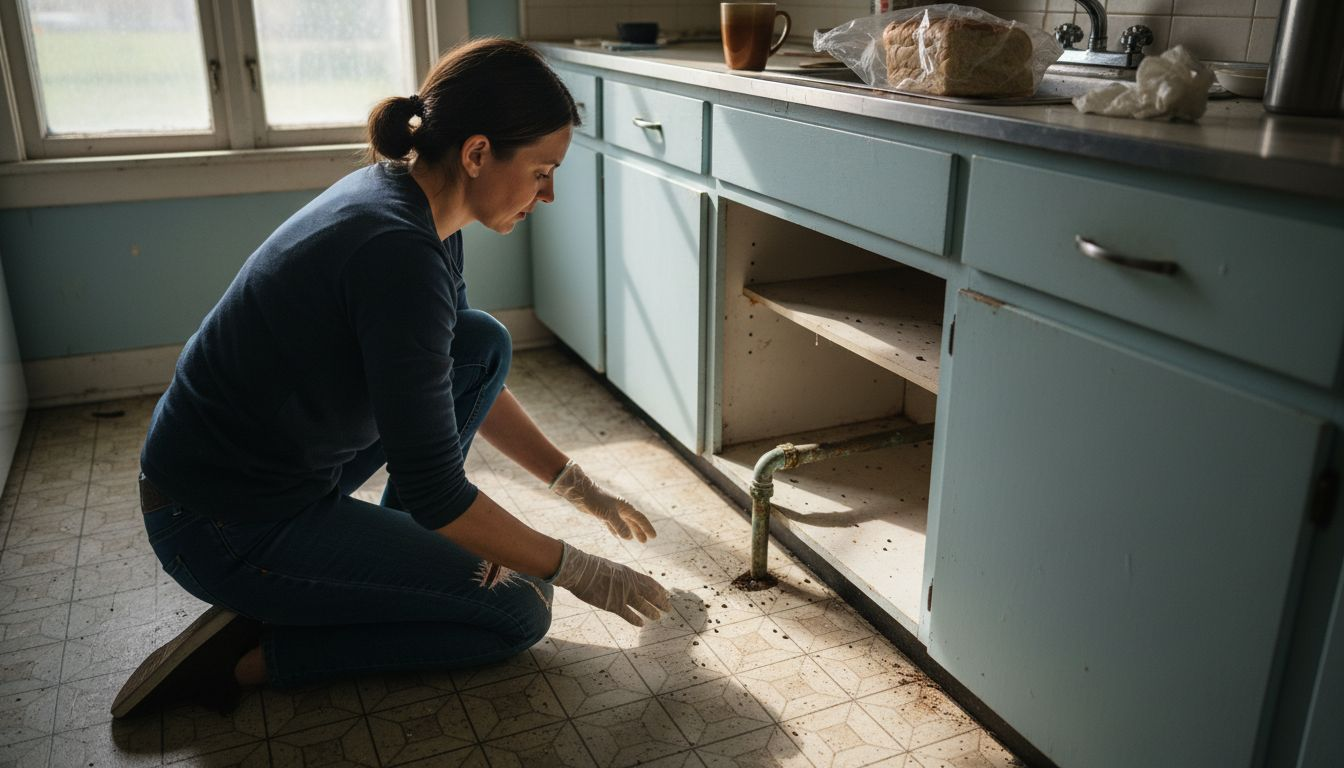
Bed bug droppings appear as tiny dark spots on mattresses, bedding, or furniture. Finding these spots means bed bugs have been feeding on your blood for days or weeks.
Cockroach droppings look like small black pepper grains scattered across kitchen surfaces and inside cabinets. Finding them indicates established colonies.
Structural Damage That Signals Trouble
Wood damage from pests indicates serious infestation severity. Termites create hollow-sounding wood by consuming it from inside. Carpenter ants leave sawdust piles near their entry points and tunnel systems.
Chewed wiring poses fire risks and suggests rodent activity in your walls. Listen for sounds of rodents scratching inside walls at night—this indicates active colonies.
Damaged food packaging with bite marks or holes shows rodents or insects accessing your pantry. Don’t assume a single damaged item is harmless—it signals an active pest searching for food.
Odors That Demand Action
Musty smells near baseboards, in attics, or coming from walls often indicate rodent nesting or pest colonies. Dead pests create foul odors that grow stronger over days.
Ammonia-like odors suggest heavy rodent or cockroach activity. These strong smells indicate multiple pests concentrated in one area.
Visible Pests and Strange Marks
Seeing even one pest during daylight hours signals an infestation. Pests are nocturnal—if you spot them while awake, populations are large.
Shed skins and foul odors confirm active pest presence in your home. Many insects shed outer layers as they grow, leaving behind papery shells.
Stains and marks along baseboards where pests travel indicate highway routes through your home. These dark smudges form from pest bodies rubbing against surfaces repeatedly.
Health Symptoms That Point to Infestation
Unexplained bites or welts appearing overnight suggest bed bugs in your bedroom. Bed bug bites cluster on exposed skin and cause intense itching.
Allergic reactions to pest debris or bites require immediate attention. Some family members may develop respiratory issues or skin reactions from pest exposure.
What to Do When You Notice Signs
Don’t wait for confirmation. Act immediately when you spot warning signs:
- Document the signs with photos and notes about locations
- Avoid using pesticides without professional guidance
- Contact a licensed pest control company for inspection
- Avoid moving infested items to other rooms (spreads pests)
Multiple warning signs appearing together demand urgent professional attention—your home’s structural integrity and family health depend on fast action.
Apex Pest Control technicians in Oakwood, Bedford Heights, and Solon respond quickly to homeowner concerns, inspecting homes thoroughly and identifying all infestation signs you may have missed.
Pro tip: Keep a flashlight and small mirror handy for inspecting dark areas like under appliances and inside cabinets where pests hide—catch infestations before they spread throughout your home.
Health, Property, and Financial Risks
Pest infestations don’t just annoy you—they threaten your family’s health, damage your home’s structure, and drain your bank account. Understanding these hidden dangers helps justify the cost of professional pest control and motivates quick action.
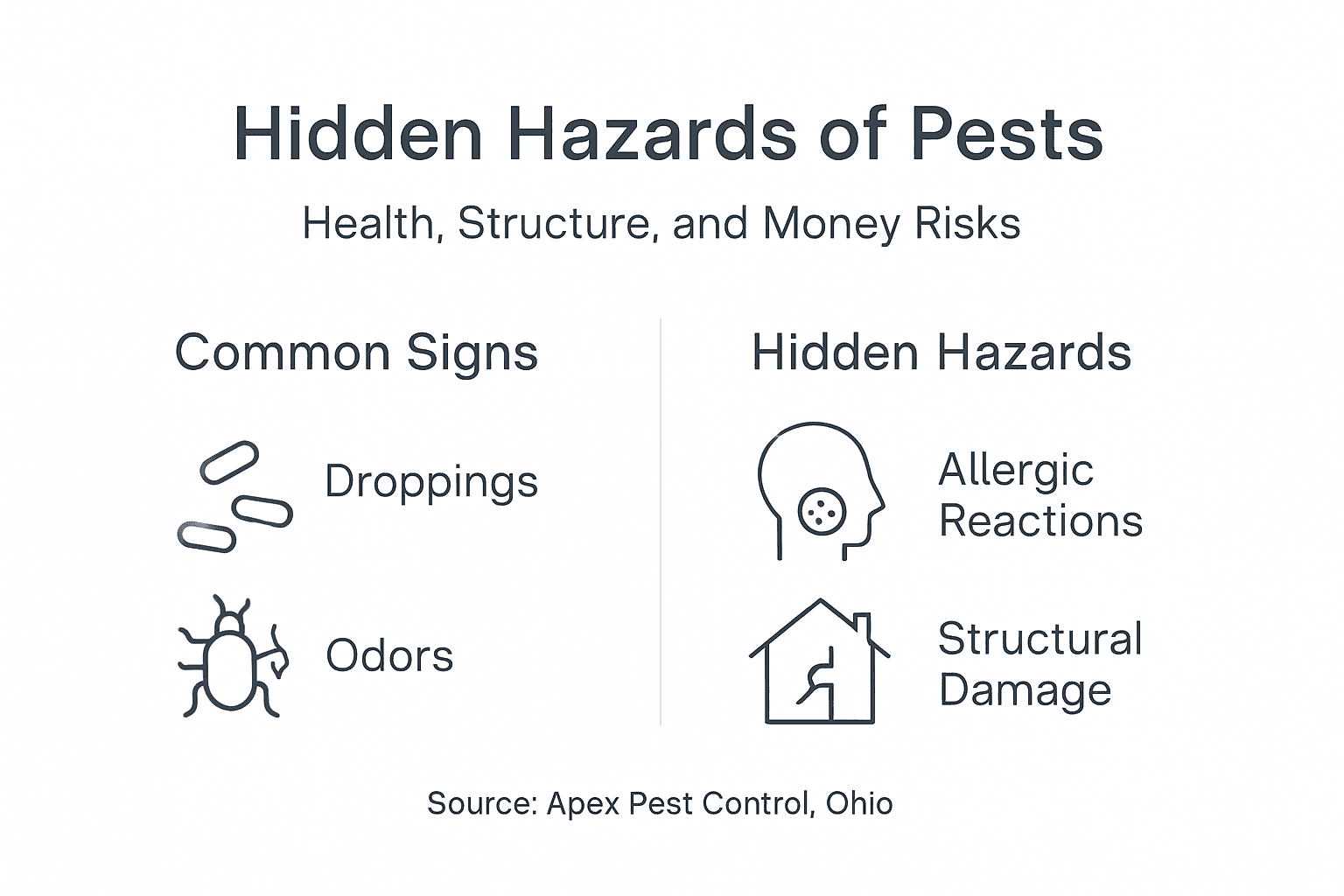
Many homeowners underestimate how serious infestation consequences become when left untreated for months.
Health Hazards You Can’t Ignore
Pest infestations cause significant health risks including allergic reactions and asthma triggers. Rodent droppings contain bacteria and viruses that become airborne when disturbed, infecting family members who breathe contaminated air.
Bed bugs trigger allergic reactions in sensitive individuals. Some people develop severe skin infections from scratching bites. Children and elderly family members face heightened health risks from pest-related illnesses.
Cockroaches produce proteins that trigger asthma attacks in children and adults with respiratory conditions. Even their shed skins and debris create respiratory irritants.
Mosquitoes and other biting insects transmit serious diseases. Wasps and hornets cause life-threatening allergic reactions in sensitive individuals.
Structural Damage That Costs Thousands
Termites consume wooden structural elements invisibly, compromising your home’s integrity. Foundation damage from termites can cost $3,000 to $10,000 or more to repair.
Carpenter ants tunnel through wood beams, weakening load-bearing structures. In Bedford Heights and Solon, where many homes feature aging wood foundations, carpenter ant damage accelerates significantly.
Rodents chew through electrical wiring, creating fire hazards. They damage insulation, reducing your home’s energy efficiency and forcing costly replacements.
Moisture-loving pests attract fungi and mold growth, spreading decay through walls and attics. Mold remediation requires professional intervention costing thousands of dollars.
Financial Costs That Compound Quickly
Delaying pest control treatment multiplies expenses across multiple categories:
- Treatment costs increase as infestations grow larger
- Structural repairs escalate from hundreds to thousands of dollars
- Health care expenses accumulate from pest-related illnesses
- Preventive measures become necessary after damage occurs
- Home value decreases when pest damage surfaces during inspections
In Oakwood, where real estate values remain competitive, pest damage discovered before a home sale can reduce market value by 5 to 15 percent.
The Real Cost of Waiting
Early treatment costs $300 to $800 for professional inspection and initial treatment. Advanced infestations requiring structural repairs and extensive treatment run $2,000 to $10,000 or higher.
Failing to act immediately transforms a manageable problem into a financial disaster. One month of untreated termite activity causes thousands in additional wood damage.
Pest infestations create compounding problems: health issues worsen, property damage spreads, and treatment costs multiply exponentially the longer you wait.
Every day of delay increases infestation severity and associated risks to your family’s wellbeing and home’s value.
Protecting Your Investment
Regular professional inspections catch infestations before major damage occurs. Apex Pest Control provides comprehensive assessments throughout Oakwood, Bedford Heights, and Solon, identifying pest activity and entry points before they become costly problems.
Eco-friendly pest control treatments eliminate infestations safely without harming your family or pets, protecting both health and property simultaneously.
Pro tip: Schedule annual pest inspections before seasonal pest activity peaks in spring and fall—catching infestations early prevents thousands in repair costs and protects your family’s health year-round.
Eco-Friendly Solutions for Lasting Relief
Modern pest control doesn’t require harsh chemicals that harm your family, pets, or the environment. Eco-friendly solutions eliminate infestations effectively while protecting everything you care about in your Oakwood, Bedford Heights, or Solon home.
The shift toward sustainable pest management reflects what science proves: nature-based and targeted approaches work better long-term than chemical saturation.
Understanding Integrated Pest Management
Integrated Pest Management emphasizes pest identification, monitoring, and selecting appropriate control methods starting from cultural and mechanical techniques. This approach prevents infestations through environmental modifications rather than relying solely on pesticides.
IPM strategies begin with understanding pest biology and what attracts them to your home. Once you eliminate food sources, water, and shelter, pests naturally leave without expensive chemical treatments.
Prevention: Your First Defense
Sealing entry points stops pests before they enter. Caulk foundation cracks, gaps around pipes, and spaces under doors and windows before pest season arrives.
Removing attractants eliminates reasons pests invade:
- Store food in sealed containers instead of open packages
- Fix water leaks that provide drinking sources
- Remove clutter where pests hide and nest
- Keep trash in sealed bins away from your home
- Trim vegetation away from exterior walls
These simple changes prevent 70 to 80 percent of common pest problems without any chemical treatment.
Compare eco-friendly and traditional pest control methods:
| Approach | Core Principle | Long-Term Success | Impact on Home/Family |
|---|---|---|---|
| Eco-Friendly (IPM) | Prevention, targeted | Strong (root causes) | Safe for pets and children |
| Chemical Only | Broad pesticide use | Weak (temporary) | Risk of toxic exposure |
| Mechanical/Physical | Traps, exclusion | Moderate | Non-toxic, humane methods |
| Biological/Organic | Natural predators, oils | Good if sustained | Safe for environment |
Mechanical and Physical Controls
Traps and barriers eliminate pests humanely while providing monitoring data. Snap traps and live traps catch rodents without toxins. Sticky traps monitor insect activity and catch crawling pests.
Exclusion devices physically prevent pest entry. Door sweeps, window screens, and vent covers block access points permanently.
Heat and drying naturally eliminate some pests. Bed bug heat treatments use controlled temperature to eliminate infestations without chemicals affecting your furniture or clothing.
Biological Controls and Organic Methods
Environmentally sound pest management combines cultural, physical, biological, and chemical methods protecting people and the environment. Beneficial insects like ladybugs control pest populations naturally by preying on harmful species.
Diatomaceous earth kills insects by disrupting their exoskeletons—completely safe for humans and pets. Neem oil disrupts insect reproduction without toxic residues.
These organic solutions work slower than chemical pesticides but provide lasting control without environmental harm.
When Professional Treatment Becomes Necessary
Established infestations require professional intervention using eco-friendly formulations. Modern pest control companies use targeted, low-toxicity treatments applied only where pests travel and hide.
Reduced-risk pesticides approved by the EPA target specific pest biology without harming non-target organisms. Application methods focus on cracks, voids, and hidden areas rather than blanket coverage.
Apex Pest Control specialists throughout Oakwood, Bedford Heights, and Solon use family-safe, eco-friendly methods eliminating infestations while protecting your home’s ecosystem.
Creating Long-Term Resistance
Combining multiple eco-friendly approaches prevents pests from returning. Prevention plus targeted treatment plus regular monitoring creates pest-resistant homes.
Eco-friendly pest control works better long-term because it addresses root causes rather than temporary symptom relief through heavy chemicals.
Your family stays healthier, your pets remain safe, and your home stays protected when using sustainable pest management strategies.
Pro tip: Start with prevention measures immediately—sealing entry points and removing attractants costs nothing but prevents 80 percent of infestations before professional treatment becomes necessary.
Take Control of Pest Infestations Before They Harm Your Home and Health
Recognizing the signs of pest infestation and understanding their hidden hazards is the first step to protecting your family and property. From droppings and strange odors to structural damage and health risks, these warning signs require prompt action. Don’t let pests quietly multiply and cause costly damage or health problems. With Apex Pest Control, you gain access to expert solutions tailored to your specific infestation challenges in Oakwood, Bedford Heights, Solon, and surrounding Northeast Ohio communities.
If you are noticing multiple signs of infestation or want a preventative approach, explore our Uncategorized Archives – Apex Pest Control to learn about eco-friendly and effective pest management methods. Take the next step in safeguarding your home by requesting a customized inspection and treatment plan. Act now to stop pests before they escalate by getting your free quote today. Trust Apex Pest Control’s licensed technicians who specialize in safe, reliable pest removal using methods designed to protect your loved ones and property.
Frequently Asked Questions
What are the signs of a pest infestation?
Common signs include droppings, structural damage, strange sounds, visible pests, and unusual odors. Look for increased sightings in specific areas, droppings near food sources, or any damages to packaging or structures.
How can I tell if I have a rodent infestation?
Signs of a rodent infestation include droppings that resemble small grains of rice, chewed food packaging, damage to insulation, and strange sounds in walls or ceilings.
What health risks are associated with pest infestations?
Pest infestations can lead to various health issues, including allergic reactions, respiratory problems, and the spread of diseases, particularly from rodents and insects such as bed bugs and cockroaches.
Why is it important to address a pest infestation quickly?
Quickly addressing a pest infestation is crucial to prevent health risks, structural damage, and financial burdens that can escalate if the infestation is left untreated.