



More than 80 percent of American households will face a persistent pest problem this year, threatening the comfort and safety of families across Ohio. Knowing what invaders are lurking in your walls or kitchen is the first step toward keeping your home secure and your loved ones safe. This guide lays out clear, practical advice for Ohio homeowners who want to tackle common pests using solutions that protect both people and pets.
Table of Contents
- Step 1: Identify Pests And Assess Infestation Areas
- Step 2: Prepare Your Home And Remove Attractants
- Step 3: Choose Safe Pest Control Methods And Products
- Step 4: Apply Treatments And Monitor Affected Areas
- Step 5: Verify Pest Elimination And Prevent Recurrence
Quick Summary
| Key Point | Explanation |
|---|---|
| 1. Identify Pests First | Conduct a thorough inspection of your home to identify pests and their signs to formulate an effective management strategy. |
| 2. Remove Attractants | Audit your home for food and shelter sources, and eliminate them to create an unwelcoming environment for pests. |
| 3. Use Safe Control Methods | Choose pest control products that are environmentally friendly and specifically suited for the types of pests you are targeting. |
| 4. Monitor Treatment Effectiveness | Regularly check affected areas post-treatment to assess ongoing pest activity and determine if further action is needed. |
| 5. Prevent Future Infestations | Implement proactive measures such as sealing entry points and maintaining cleanliness to discourage pests from returning. |
Step 1: Identify Pests and Assess Infestation Areas
Accurately identifying pests and evaluating their presence in your home is the critical first stage of effective pest management. Understanding what you are dealing with allows you to develop a targeted strategy that protects your Ohio home and family.
Start by conducting a thorough inspection of key areas where pests commonly hide. These include kitchen cabinets, baseboards, wall corners, basement spaces, and outdoor perimeter zones. Use a bright flashlight and look for telltale signs such as droppings, shed skin, egg clusters, or actual live insects. Integrated pest management techniques emphasize systematic observation to determine pest types and infestation levels before taking action.
Pay special attention to specific indicators unique to different pests. For ants, watch for small trails or tiny soil mounds. Rodent evidence includes gnaw marks, greasy wall smudges, and droppings. Cockroach infestations reveal themselves through musty odors, dark droppings, and egg cases hidden in dark corners. Termite signs include mud tubes on foundations, discarded wings, and wood damage.
Here’s a quick reference guide to common household pests and their unique indicators:
| Pest Type | Key Indicators | Typical Hiding Places |
|---|---|---|
| Ants | Soil mounds, tiny trails | Baseboards, kitchen cabinets |
| Rodents | Gnaw marks, droppings | Attics, basements, wall gaps |
| Cockroaches | Musty odors, egg cases | Behind appliances, dark corners |
| Termites | Mud tubes, wing debris | Foundations, wood structures |
Pro tip: Take clear digital photographs of any pest evidence to help professional exterminators quickly diagnose and treat your specific infestation.
Step 2: Prepare Your Home and Remove Attractants
Preparing your home and eliminating pest attractants is a crucial defense strategy that prevents unwanted visitors from entering your living spaces. By creating an environment that is deliberately uninviting to pests, you can significantly reduce the likelihood of infestations before they start.
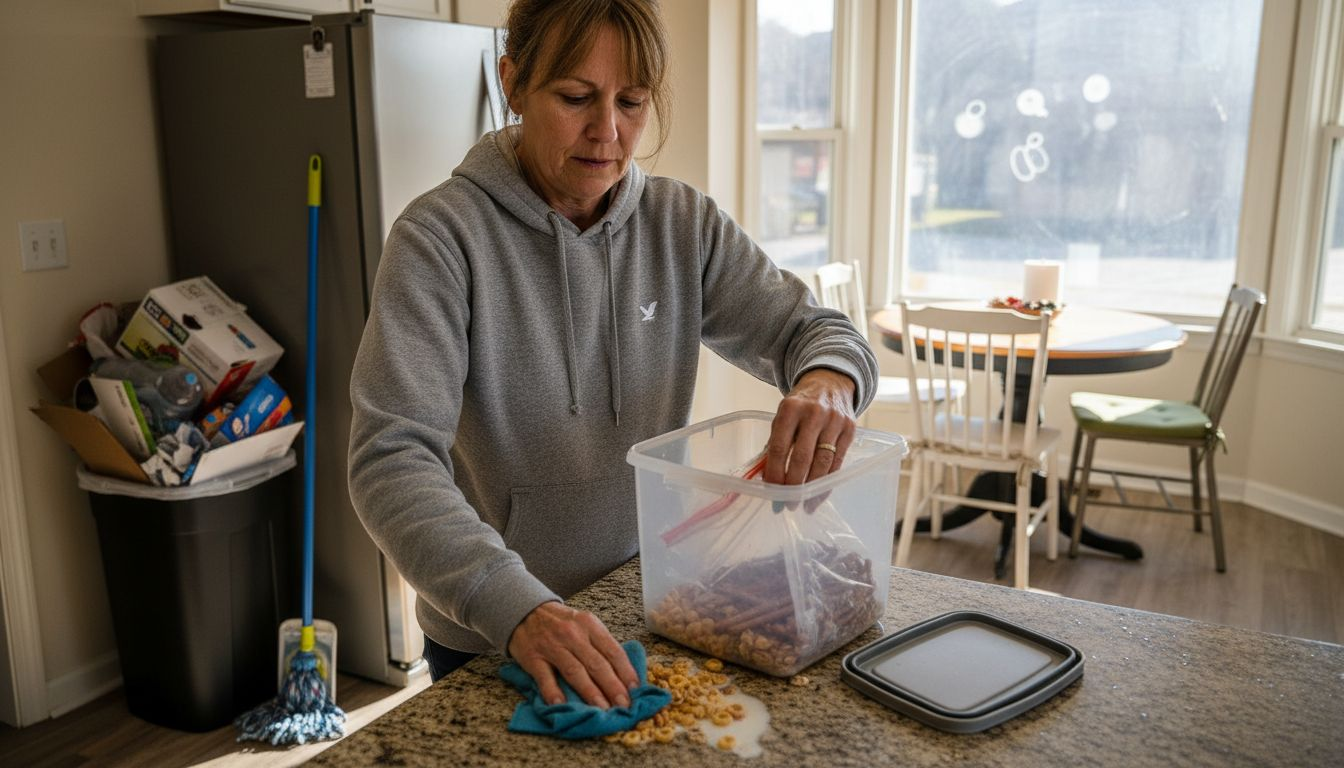
Begin by conducting a comprehensive audit of potential food and shelter sources that might attract pests. In the kitchen, store all food items in sealed containers with tight fitting lids, clean up spills immediately, and ensure trash cans have secure covers. Effective attractant management requires systematic removal of potential food sources that could draw insects, rodents, and other unwanted wildlife into your home. Pay special attention to areas like pantry shelves, under appliances, and inside cabinets where crumbs and residue can accumulate.
Outdoor spaces demand equal vigilance. Maintain a clean yard by removing fallen fruit, securing compost bins, keeping pet food indoors, and managing garbage storage. Trim vegetation away from your home’s foundation, seal potential entry points around windows and doors, and eliminate standing water that can attract mosquitoes and other insects. Regular maintenance and proactive cleaning will create a less hospitable environment for pests.
Pro tip: Invest in heavy duty plastic storage containers with airtight seals to store dry goods and prevent pest access to potential food sources.
Step 3: Choose Safe Pest Control Methods and Products
Selecting appropriate and safe pest control methods is crucial for protecting your home, family, and environment from unwanted pests while minimizing potential health risks. Your goal is to find targeted solutions that effectively manage pest populations with the least possible impact on your living ecosystem.
Integrated Pest Management principles recommend a strategic approach that prioritizes prevention and uses chemical interventions only as a last resort. Start by exploring non chemical methods such as physical barriers, biological controls, and habitat modification. When chemical treatments become necessary, choose products specifically designed for your target pest and apply them with precision. Look for EPA registered products with clear instructions, focusing on those labeled as low toxicity and environmentally friendly.
Consider specialized treatments based on your specific pest challenge. For indoor infestations, select products safe for use around children and pets. Outdoor applications should target specific problem areas while minimizing broader environmental impact. Always read product labels carefully, wear protective equipment during application, and store pest control products in secured locations away from living spaces.
The following table summarizes safe pest control approaches for different environments:
| Environment | Preferred Methods | Product Features |
|---|---|---|
| Indoors | Barriers, low toxicity sprays | Safe for children/pets |
| Outdoors | Targeted baits, traps | EPA registered, weather resistant |
| Food areas | Physical controls only | No chemical residue |
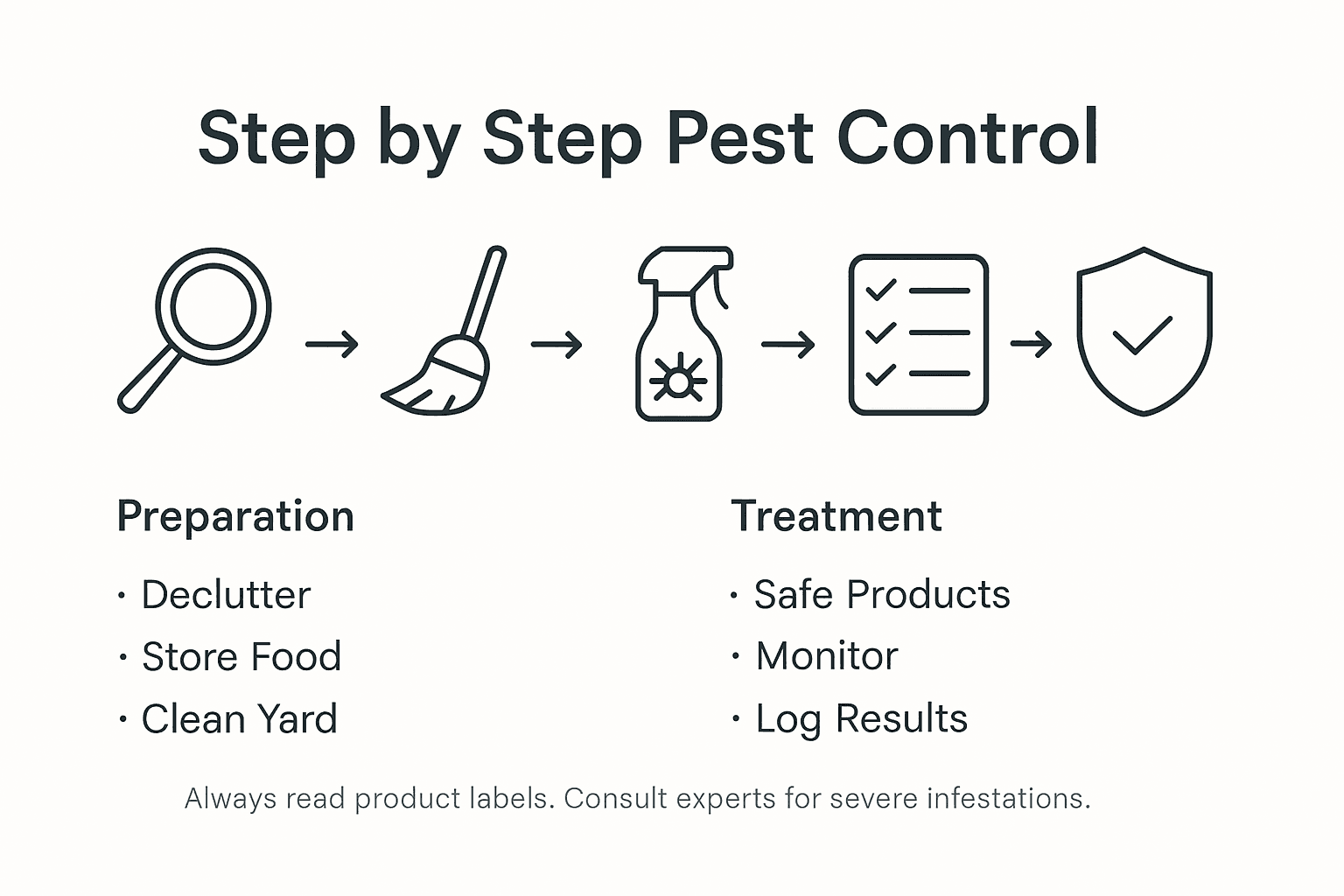
Pro tip: Consult with a professional pest control expert to develop a customized treatment plan that balances effectiveness with safety for your specific home environment.
Step 4: Apply Treatments and Monitor Affected Areas
Successfully controlling pests requires strategic treatment application and consistent monitoring to ensure your efforts are effective and long lasting. This critical phase determines whether you will successfully eliminate the pest population or continue experiencing recurring issues.
Pest monitoring techniques are essential for tracking treatment progress and understanding pest population dynamics. Start by carefully applying selected treatments according to product instructions, wearing appropriate protective equipment and focusing on targeted areas where pest activity is most concentrated. Use precision in your application approach placing treatments directly where pests travel or congregate. Document the initial treatment date and observe treated areas closely over the next several days to weeks, looking for changes in pest activity levels.
Carefully track your monitoring results by creating a simple log that records pest sightings, treatment dates, and observable changes. Check traps regularly and replace them as needed. Pay attention to environmental conditions that might impact treatment effectiveness such as temperature, humidity, and seasonal variations. If you notice minimal reduction in pest populations after the recommended treatment period, consider consulting a professional pest control expert who can provide advanced diagnostic insights and alternative strategies.
Pro tip: Take clear photographs of treated areas and pest evidence before and after treatments to create a visual record that helps you and potential pest control professionals assess treatment effectiveness.
Step 5: Verify Pest Elimination and Prevent Recurrence
Confirming successful pest elimination and implementing strategies to prevent future infestations represents the final and most critical stage of comprehensive pest control. Your goal is to ensure that initial treatments have effectively disrupted pest populations and create an environment that discourages their return.
Ongoing surveillance strategies are fundamental to maintaining a pest free home. Conduct thorough inspections of previously affected areas at least weekly for the first month after treatment, looking for any signs of renewed pest activity. Check common entry points like windows, doors, foundation cracks, and utility lines for potential new access routes. Pay close attention to moisture prone areas such as kitchens, bathrooms, and basements where pests often find hospitable conditions.
Develop a proactive maintenance plan that addresses potential pest attractants and vulnerabilities in your home environment. Seal potential entry points with appropriate materials, maintain consistent cleanliness, manage moisture levels, and remove potential food sources. Implement regular cleaning schedules that include deep cleaning of often overlooked areas like behind appliances, inside cabinets, and around trash storage zones. Consider scheduling periodic professional inspections to catch potential issues before they develop into full scale infestations.
Pro tip: Create a home maintenance calendar that includes quarterly pest prevention checks and immediate action protocols for addressing any early warning signs of potential pest activities.
Take Control of Your Home with Expert Pest Solutions
The step-by-step pest control process highlights the importance of identifying pests accurately, preparing your home to remove attractants, choosing safe methods, and monitoring for lasting results. If you are feeling overwhelmed by these detailed steps or worried about ensuring pest elimination without risking your family’s safety, Apex Pest Control offers tailored solutions that prioritize your home’s unique challenges and safety concerns. Our comprehensive services cover everything from targeted ant and rodent control to eco-friendly treatments for mosquitoes and stinging insects, ensuring effective and responsible pest management.
Start protecting your Ohio home today by leveraging professional expertise designed to address your specific needs. Get a customized plan for lasting peace of mind and safe living. Don’t wait until pests return — explore our Uncategorized Archives – Apex Pest Control for guidance and then take the next step by requesting your personalized assessment with a free quote now. Let us help you eliminate pests safely so you can enjoy your home again.
Frequently Asked Questions
How do I identify pests in my home?
To identify pests, conduct a thorough inspection of areas where they commonly hide, such as kitchen cabinets and basements. Look for signs like droppings, shed skin, or trails to confirm their presence.
What should I do to prepare my home for pest control?
Prepare your home by eliminating food sources that attract pests. Store food in sealed containers, clean spills immediately, and ensure trash cans are secured.
What are safe pest control methods I can use?
Safe pest control methods include using physical barriers, traps, and low-toxicity treatments. When necessary, select EPA-registered products that target specific pests while being safe around children and pets.
How do I monitor the effectiveness of pest control treatments?
Monitor pest control treatments by keeping a log of pest sightings and treatment dates in affected areas. Inspect treated spots regularly and track any changes in activity for at least a few weeks after application.
What steps can I take to prevent future pest infestations?
To prevent future infestations, develop a maintenance plan that includes regular inspections and cleaning schedules. Seal entry points, manage moisture, and remove potential food sources to discourage pests from returning.
How long will it take to see results from pest control efforts?
You may start seeing results from pest control efforts within 30 days, depending on the pest type and treatment. Continue monitoring areas for any signs of pest activity to assess effectiveness.
Recommended
- Safe Pest Control for Pets – Protecting Home and Animals
- Organic Pest Control Methods for Safe Pest Management
- Pest Control Process Explained: Complete Guide Ohio
- Residential Pest Management Guide: Achieve a Pest-Free Home
- Child Friendly Carpet Cleaning: Safe Solutions for Homes – Yarra Valley Carpet Cleaning
- 7 Smart Steps for a Home Safety Checklist Every Buyer Needs | ReVroom