


Every homeowner in Oakwood knows the stress that comes when unwanted pests threaten your family’s comfort and health. Choosing eco-friendly pest management solutions matters because traditional chemical treatments often carry hidden risks for both people and the local environment. By focusing on holistic ecosystem protection, this guide helps you discover practical strategies that control infestations safely and sustainably, creating a healthier home while preserving Northeast Ohio’s natural balance.
Table of Contents
- Defining Sustainable Pest Management Practices
- Types Of Eco-Friendly Pest Solutions
- How Sustainable Methods Protect Homes
- Local Regulations Guiding Pest Control
- Risks And Benefits Of Sustainable Approaches
Key Takeaways
| Point | Details |
|---|---|
| Sustainable Pest Management | Focuses on prevention and ecological methods, reducing reliance on chemical treatments. |
| Eco-Friendly Solutions | Emphasizes biological controls and physical barriers to protect homes and the environment. |
| Local Regulations | Govern pest control practices, ensuring safety and environmental responsibility. |
| Risks and Benefits | Balances effective pest management with health protection and minimizes environmental impact. |
Defining Sustainable Pest Management Practices
Sustainable pest management represents a strategic approach to controlling unwanted organisms while preserving environmental integrity in Ohio homes. Unlike traditional pest control methods that rely heavily on chemical interventions, this approach focuses on holistic ecosystem protection and minimizing potential health risks.
The core principles of sustainable pest management involve understanding pest behaviors and implementing targeted, environmentally sound strategies. Integrated Pest Management techniques emphasize prevention, monitoring, and intervention with minimal ecological disruption. Key practices include:
- Identifying specific pest species and understanding their lifecycle
- Removing conditions that attract or support pest populations
- Utilizing biological control methods like natural predators
- Implementing physical barriers and exclusion techniques
- Applying targeted, low-toxicity treatments when necessary
Ohio homeowners can significantly reduce pest populations by adopting proactive strategies that work with natural ecological systems. These methods not only control current infestations but also prevent future pest problems by addressing root causes and maintaining a balanced home environment.
Pro tip: Conduct seasonal home inspections to identify and seal potential pest entry points before infestations can establish themselves.
Types Of Eco-Friendly Pest Solutions
Eco-friendly pest solutions represent a sophisticated approach to managing unwanted organisms in Ohio homes, prioritizing environmental safety and long-term ecosystem health. These methods go beyond traditional chemical treatments, focusing on preventative and sustainable strategies that protect both residential spaces and local biodiversity.
Ecological pest management techniques offer homeowners multiple strategies for controlling pest populations without harming the environment. These approaches include:
- Biological Control Methods
- Introducing natural predators
- Utilizing beneficial insects
- Promoting ecosystem balance
- Physical Barriers
- Sealing entry points
- Installing mesh screens
- Creating landscape buffers
- Cultural Prevention Strategies
- Removing food sources
- Maintaining clean environments
- Reducing moisture and clutter
Ohio homeowners can effectively implement these eco-friendly solutions by understanding local pest behaviors and creating comprehensive management plans. By integrating multiple approaches, residents can achieve long-term pest control while minimizing environmental impact and potential health risks associated with traditional chemical treatments.
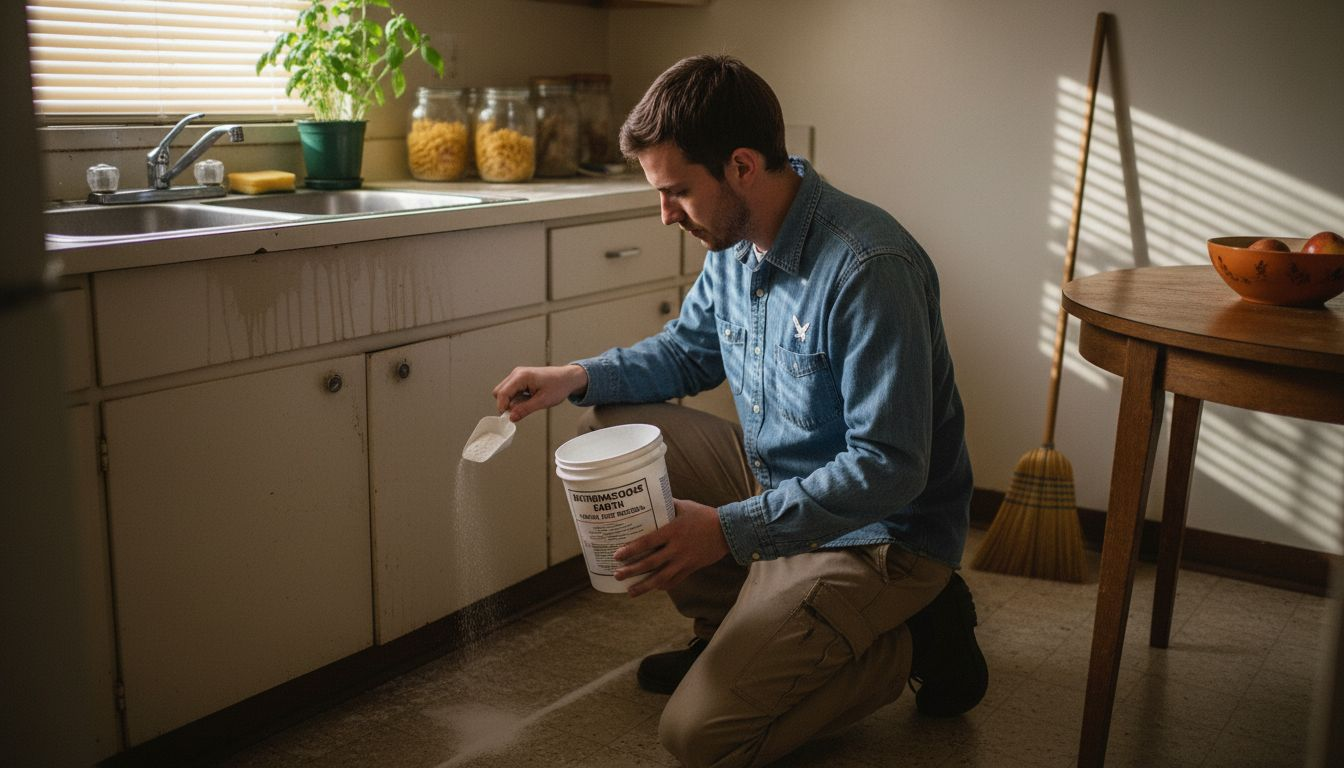
Here’s a summary of the main sustainable pest management methods and their typical outcomes:
| Method Type | Primary Outcome | Impact on Environment |
|---|---|---|
| Biological Controls | Limits pest populations | Supports local biodiversity |
| Physical Barriers | Prevents entry of pests | No chemical impact |
| Cultural Strategies | Discourages pests from nesting | Promotes cleaner home spaces |
| Targeted Treatments | Manages outbreaks efficiently | Reduces toxic residue |
Pro tip: Consult with local pest control professionals who specialize in sustainable methods to develop a customized, environmentally responsible pest management strategy for your specific home and property.

How Sustainable Methods Protect Homes
Sustainable pest management represents a sophisticated defense system for Ohio homes, addressing potential infestations through intelligent, proactive strategies that protect both residential structures and occupant health. By focusing on prevention and targeted interventions, homeowners can effectively manage pest populations while minimizing environmental and health risks.
Integrated Pest Management principles provide a comprehensive approach to home protection that goes beyond traditional extermination methods. These strategies involve:
- Preventative Techniques
- Identifying potential entry points
- Eliminating moisture sources
- Reducing attractive habitat conditions
- Strategic Monitoring
- Regular home inspections
- Early detection of pest activities
- Tracking population changes
- Targeted Interventions
- Using least-toxic control methods
- Applying precise, localized treatments
- Minimizing broad-spectrum chemical use
By understanding local pest behaviors and implementing holistic protection strategies, Ohio homeowners can create resilient environments that naturally resist unwanted organisms. This approach not only prevents immediate infestations but also establishes long-term defense mechanisms that protect property values and resident well-being.
Sustainable pest management transforms homes from vulnerable spaces into proactively defended ecosystems, reducing risks and maintaining environmental harmony.
Pro tip: Develop a seasonal pest management calendar that anticipates potential infestations and implements preventative measures before problems escalate.
Local Regulations Guiding Pest Control
Pest control in Ohio is governed by a comprehensive regulatory framework designed to protect public health, environmental safety, and responsible pest management practices. These regulations ensure that pest control professionals and homeowners maintain high standards of safety and environmental stewardship while addressing pest-related challenges effectively.
Pesticide Safety Education Programs play a critical role in establishing and maintaining these regulatory standards across the state. The key regulatory elements include:
- Applicator Licensing Requirements
- Mandatory certification for professional pest control operators
- Periodic recertification and continuing education
- Comprehensive training on safe pesticide application
- Environmental Protection Standards
- Strict guidelines for chemical use
- Restrictions on pesticide application near sensitive areas
- Protocols for minimizing environmental impact
- Compliance and Enforcement
- Regular inspections of pest control operations
- Penalties for non-compliance
- Reporting mechanisms for improper pest management
Ohio’s regulatory approach emphasizes a balanced method that protects both residential spaces and the broader ecosystem. By implementing rigorous standards, the state ensures that pest control practices prioritize human and environmental health while effectively managing pest populations.
Effective pest control regulations transform potential environmental risks into carefully managed, sustainable solutions.
Pro tip: Always verify a pest control professional’s current certification and ask about their compliance with Ohio’s environmental regulations before hiring.
Risks And Benefits Of Sustainable Approaches
Sustainable pest management represents a nuanced strategy that balances effective pest control with environmental preservation and human health protection. By moving beyond traditional chemical-intensive methods, homeowners can achieve comprehensive pest management that minimizes ecological disruption and long-term health risks.
Integrated Pest Management strategies provide a holistic approach to understanding the complex risks and benefits of sustainable pest control. These strategies reveal multiple critical considerations:
- Environmental Benefits
- Reduced chemical contamination
- Preservation of beneficial insect populations
- Minimal ecosystem disruption
- Health Protection Advantages
- Lower exposure to toxic pesticides
- Reduced risk of chemical-related health issues
- Safer indoor environments
- Economic Considerations
- Long-term cost savings
- Decreased pest resistance development
- More targeted, efficient treatments
Ohio homeowners who embrace sustainable pest management techniques can significantly mitigate potential risks while creating healthier living environments. By understanding and implementing these advanced strategies, residents can protect their homes, families, and local ecosystems simultaneously.
Compare the features of sustainable pest management with traditional chemical-based methods:
| Attribute | Sustainable Approach | Traditional Chemical Method |
|---|---|---|
| Environmental Impact | Minimal, supports ecosystem | High, potential pollution |
| Long-Term Effectiveness | Preventive, reduces recurrence | Often short-term, pests may return |
| Health Risk | Lower exposure to toxins | Increased exposure potential |
| Cost Over Time | Can lead to savings | Frequent treatments drive costs |
Sustainable pest control transforms pest management from a reactive process to a proactive, environmentally intelligent solution.
Pro tip: Conduct annual comprehensive home inspections to identify potential pest vulnerabilities and implement preventative sustainable management strategies.
Embrace Sustainable Pest Management with Apex Pest Control
Protecting your Ohio home from pests while preserving the environment is a challenge many residents face. This article highlights the importance of eco-friendly approaches such as biological controls, physical barriers, and targeted treatments that reduce toxic exposure and protect local ecosystems. At Apex Pest Control, we understand your goal to maintain a healthy, pest-free living space without compromising safety or sustainability.
Our licensed technicians specialize in sustainable pest management methods tailored for Northeast Ohio homes. We offer family-safe solutions for ant control, rodent removal, bed bug treatment, and more. Experience the benefits of proactive pest prevention combined with expert care by scheduling a consultation today. Visit our Uncategorized Archives – Apex Pest Control to learn about our eco-friendly approach and get started.
Ready to protect your home responsibly? Contact Apex Pest Control now for a free quote and take the first step toward long-term, sustainable pest control you can trust.
Frequently Asked Questions
What are sustainable pest management practices?
Sustainable pest management practices focus on controlling pests while preserving the environment. They emphasize prevention, monitoring, and minimally invasive interventions, often utilizing techniques like biological controls, physical barriers, and cultural strategies.
How does integrated pest management (IPM) work?
Integrated Pest Management (IPM) combines multiple strategies to manage pest populations effectively. It involves identifying pest species, monitoring their activities, and implementing targeted interventions with minimal chemical use, promoting long-term pest control and environmental safety.
Why should homeowners consider eco-friendly pest solutions?
Homeowners should consider eco-friendly pest solutions because they offer effective pest control while minimizing harm to the environment and reducing human health risks associated with traditional chemical pesticides. These methods promote biodiversity and support a healthier home ecosystem.
What benefits does sustainable pest management provide over traditional methods?
Sustainable pest management provides several benefits over traditional methods, including reduced environmental impact, lower health risks from toxic pesticides, long-term cost savings, and effective prevention of pest recurrence by addressing root causes instead of merely treating symptoms.