



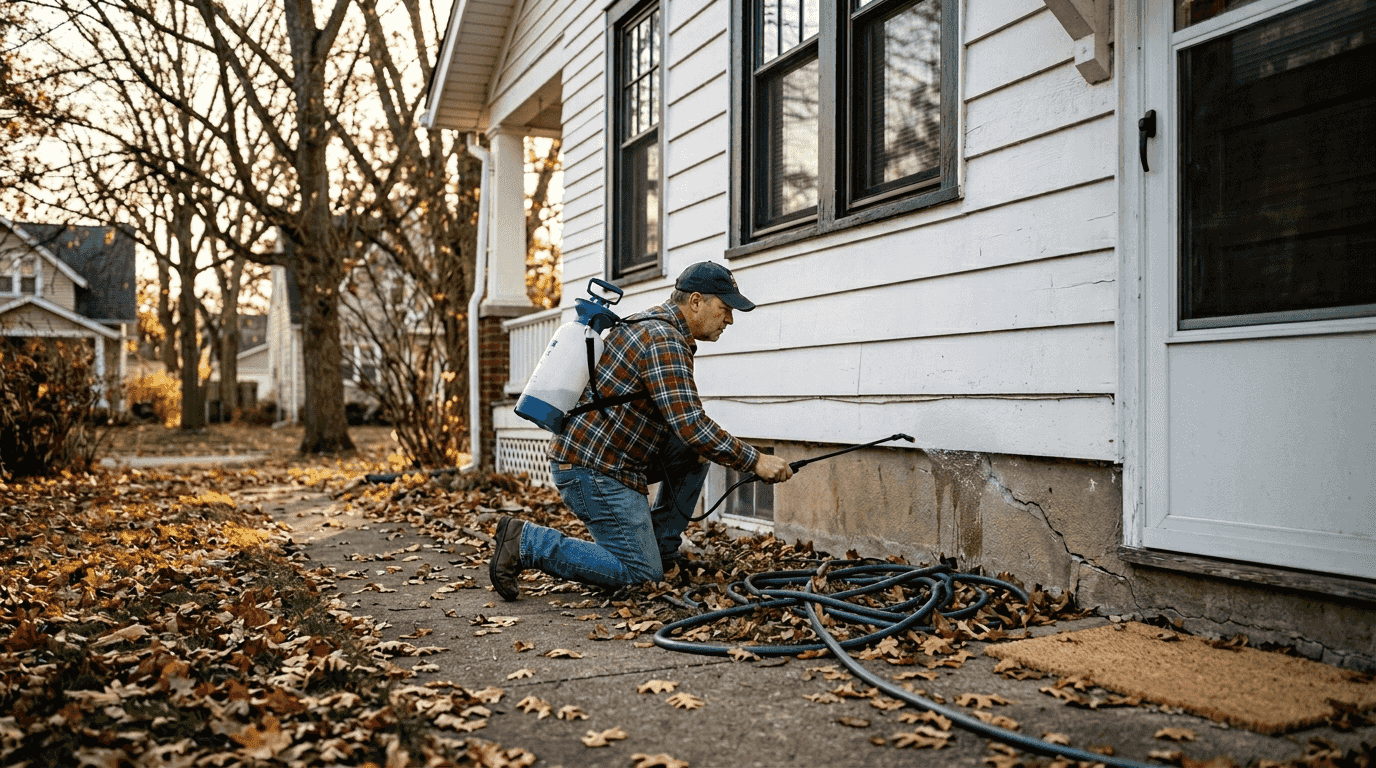
Many homeowners believe winter stops pest problems, but the opposite is true. As temperatures drop in Northeast Ohio, pests actively seek warmth inside homes, creating serious infestation risks. Stink bugs, boxelder bugs, and spiders invade wall voids and attics during fall, settling in for months. Understanding why treating for overwintering pests before winter arrives protects your property from damage, odors, and costly infestations helps you take action now.
Table of Contents
- How Overwintering Pests Enter And Threaten Your Home
- The Benefits Of Treating For Overwintering Pests Early
- Essential Prevention Steps: Sealing And Monitoring Your Home
- Common Overwintering Pests In Northeast Ohio And Their Impact
- Protect Your Northeast Ohio Home From Overwintering Pests With Apex Pest Control
- Frequently Asked Questions
Key takeaways
| Point | Details |
|---|---|
| Entry timing | Pests enter homes through cracks and openings during fall months seeking warmth. |
| Common invaders | Stink bugs, boxelder bugs, and spiders are the most frequent overwintering pests in Ohio. |
| Prevention strategy | Pre-treating the home’s exterior perimeter stops pests before they settle inside walls and attics. |
| Protection benefits | Early treatment prevents structural damage, unpleasant odors, and large indoor infestations during winter. |
| Combined approach | Sealing entry points plus regular perimeter treatments provides the most effective defense. |
How overwintering pests enter and threaten your home
Pests like stink bugs, boxelder bugs, and spiders don’t hibernate during Ohio’s harsh winters. Instead, they search for protected spaces where temperatures stay above freezing. Your home offers exactly what they need: warmth, shelter, and safe hiding spots.
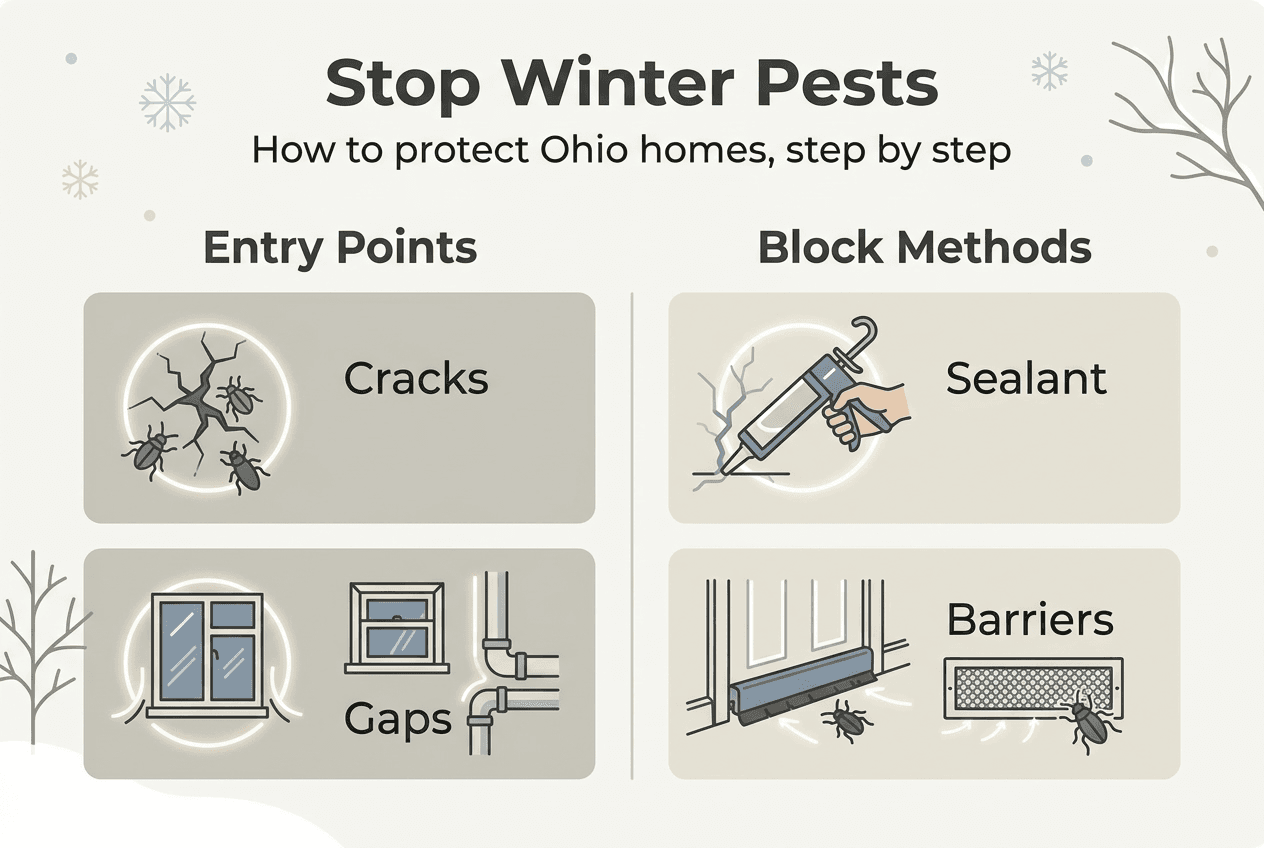
These invaders enter through surprisingly small openings. Even tiny cracks in your foundation, gaps around window frames, damaged door seals, and torn screens provide easy access. Utility line penetrations, exhaust vents, and soffit gaps also serve as highways into your living spaces.
Once inside, pests settle into hidden areas where you won’t disturb them. Wall voids between studs become perfect nesting spots. Attics with insulation offer warmth and protection. Basements with minimal foot traffic let colonies grow undisturbed. The space behind vinyl siding creates a buffer zone where hundreds of bugs can cluster.
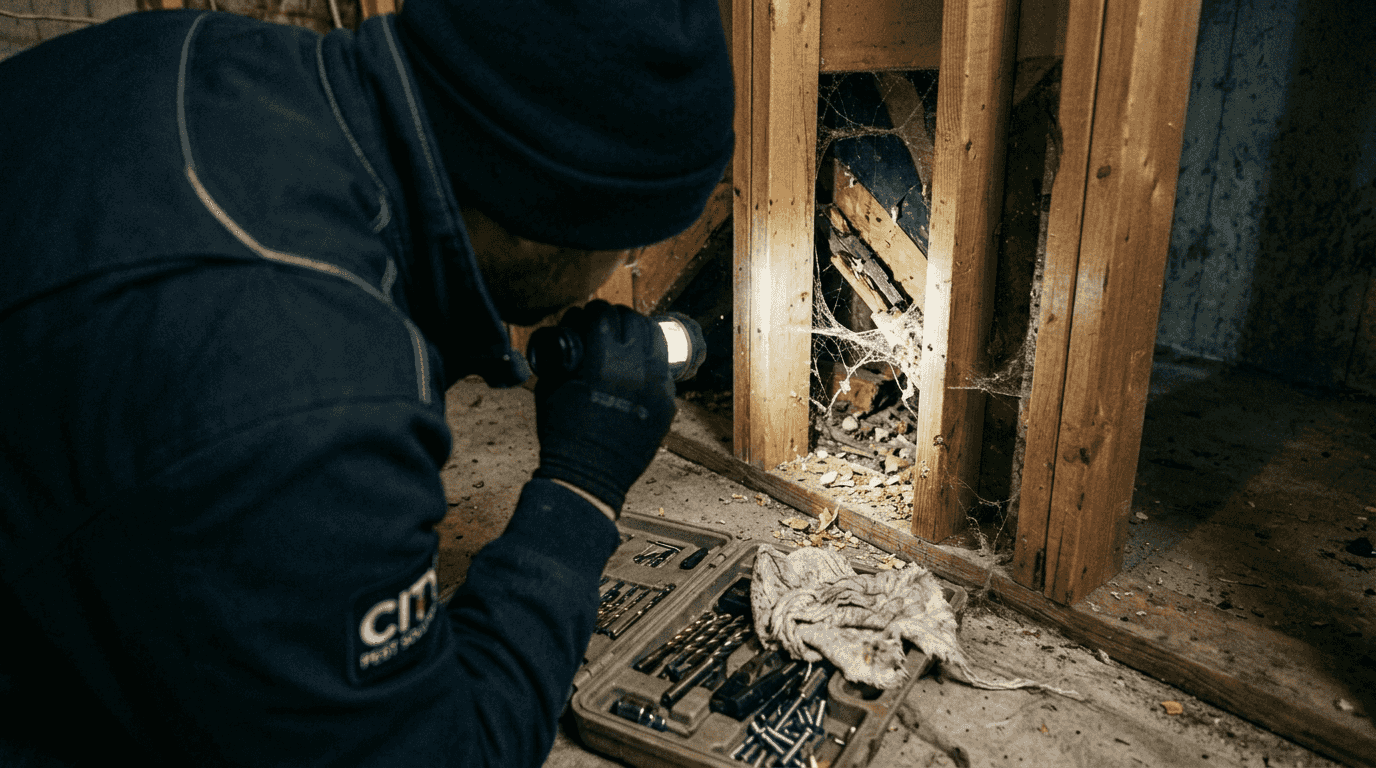
Preventing overwintering pests involves understanding their entry points and behaviors to target your defense strategy effectively. When you know where they enter and why they choose certain spots, you can focus your prevention efforts on high-risk areas.
Common entry points include:
- Foundation cracks wider than 1/8 inch
- Gaps around exterior doors and garage doors
- Damaged or missing window screens
- Openings around pipes, cables, and wires
- Soffit vents without proper screening
- Chimney caps with torn mesh
Pro Tip: Inspect your home’s exterior on a sunny fall afternoon when pests are most active. You’ll spot them clustering near entry points, showing you exactly where to focus your sealing efforts.
Understanding pest risk factors in Ohio homes helps you recognize vulnerable areas before problems develop. The south and west sides of your house warm up first during fall days, attracting the most pest activity.
The benefits of treating for overwintering pests early
Timing makes the difference between a pest-free winter and months of dealing with indoor infestations. Perimeter pest control is most effective when applied before pests enter the home, creating a protective barrier they can’t cross.
Applying professional-grade treatments to your home’s exterior in September or early October stops pests during their migration phase. They encounter the treated surfaces while searching for entry points and either die or move to untreated structures. This approach prevents them from ever establishing colonies inside your walls.
The financial benefits add up quickly. Indoor pest removal costs significantly more than exterior prevention treatments. Once bugs settle into wall voids, you need specialized equipment and multiple service visits to eliminate them. Prevention requires just one or two applications per season.
Early treatment prevents several types of property damage:
- Stink bugs stain walls, curtains, and upholstery when crushed, requiring professional cleaning or replacement.
- Large pest populations damage insulation by compressing it and reducing its effectiveness.
- Pest waste accumulates in wall voids, creating persistent odors that penetrate living spaces.
- Dead pest bodies attract secondary invaders like carpet beetles and dermestid beetles.
- Electrical wiring faces increased risks when pests nest near junction boxes and outlets.
Pro Tip: Schedule your perimeter treatment right after the first cool night below 55°F. This temperature triggers the instinct in overwintering pests to seek shelter, making your timing perfect.
Health and comfort improvements matter just as much as financial savings. Homes without pest infestations maintain better indoor air quality. You avoid the stress of finding bugs crawling on walls during winter months. Family members with allergies experience fewer reactions to pest debris and waste.
“Preventive pest control saves homeowners an average of $400 per year compared to reactive treatment costs, while protecting property values and reducing health risks from indoor infestations.”
Implementing fall pest prevention steps Ohio home strategies before temperatures drop ensures your family enjoys a pest-free winter season. The investment in early treatment pays dividends in peace of mind and property protection.
Essential prevention steps: sealing and monitoring your home
Physical barriers work hand in hand with chemical treatments to create comprehensive pest defense. Sealing potential entry points eliminates the pathways pests use to invade your home.
Start your inspection at ground level and work upward. Seal cracks and openings to prevent pest entry using appropriate materials for each gap type. Foundation cracks need hydraulic cement or polyurethane caulk rated for exterior use. Window and door gaps require weatherstripping designed for your climate zone.
Key sealing priorities include:
- Apply expanding foam to gaps around utility penetrations larger than 1/4 inch
- Install door sweeps on all exterior doors including garage entries
- Replace damaged window screens and repair torn soffit vents
- Seal gaps between siding and foundation with appropriate caulk
- Add chimney caps with 1/4 inch or smaller mesh screening
Monitoring helps you catch problems before they become major infestations. Check your attic monthly during fall and early winter for signs of pest activity. Look for live bugs, shed skins, and droppings that indicate active colonies. Basement inspections reveal pests entering through foundation cracks or floor drains.
Pro Tip: Use a bright flashlight to inspect dark corners and crevices where pests hide during daylight hours. Early morning or late evening checks catch pests during their most active periods.
| Entry Point | Prevention Measure | Target Pests |
|---|---|---|
| Foundation cracks | Hydraulic cement or polyurethane caulk | Boxelder bugs, spiders |
| Door gaps | Weatherstripping and door sweeps | All overwintering pests |
| Window frames | Caulk and screen repair | Stink bugs, lady beetles |
| Soffit vents | Fine mesh screening | Wasps, cluster flies |
| Utility penetrations | Expanding foam sealant | Spiders, stink bugs |
Combining physical barriers with professional perimeter treatments creates the strongest defense against winter pests. Neither approach works as well alone as they do together. Sealing stops entry while treatments eliminate pests that find any remaining gaps.
Maintaining year-round pest protection Ohio requires seasonal inspections and treatments adjusted for changing pest pressures. Regular monitoring helps you spot signs of pest infestation Ohio before populations explode inside your walls.
Common overwintering pests in Northeast Ohio and their impact
Knowing which pests threaten your home helps you recognize problems early and take appropriate action. Ohio’s climate supports several overwintering species that cause distinct problems.
Stink bugs top the list of winter invaders in Northeast Ohio. These shield-shaped insects release a pungent odor when threatened or crushed. They stain walls, curtains, and furniture with defensive secretions that prove difficult to remove. Hundreds can cluster in a single attic space, creating overwhelming odor problems when they emerge during warm winter days.
Boxelder bugs arrive in massive numbers during fall, covering the sunny sides of homes in black and red swarms. While they don’t bite or cause structural damage, their sheer numbers create serious nuisance issues. They leave reddish stains on surfaces and produce waste that attracts other pests. Large populations can trigger allergic reactions in sensitive individuals.
Spiders increase indoor presence during fall as they follow their prey insects into homes. Common house spiders, wolf spiders, and occasionally brown recluse spiders seek sheltered spots in basements and crawl spaces. While most pose minimal health risks, their webs create housekeeping challenges and some species trigger phobias or allergies.
Overwintering pests include stink bugs, boxelder bugs, and spiders as the primary invaders, but lady beetles and cluster flies also cause problems in some Ohio neighborhoods.
| Pest Species | Typical Behaviors | Home Impact |
|---|---|---|
| Stink bugs | Cluster in attics and wall voids, release odors when disturbed | Staining, persistent odors, nuisance presence |
| Boxelder bugs | Mass on sunny walls, enter through tiny cracks | Large numbers, staining, allergic reactions |
| House spiders | Build webs in corners, hunt other insects | Web accumulation, general discomfort |
| Lady beetles | Gather in attics, can bite when handled | Staining from defensive secretions, allergies |
| Cluster flies | Hibernate in wall voids, emerge during warm spells | Buzzing noise, clustering on windows |
Each pest requires slightly different management approaches, but perimeter treatments targeting fall migration stop all species before they establish indoor colonies. Understanding their behaviors helps you predict where problems will develop and focus prevention efforts on vulnerable areas.
Implementing seasonal pest prevention Ohio homes strategies addresses the specific challenges each pest type presents. Professional treatments use products effective against multiple species while remaining safe for your family and pets.
Protect your Northeast Ohio home from overwintering pests with Apex Pest Control
Professional pest control delivers results homeowners can’t achieve with store-bought products. Licensed technicians understand pest behavior patterns and apply treatments at optimal times for maximum effectiveness. Apex Pest Control brings decades of experience serving Oakwood, Bedford Heights, Maple Heights, Warrensville Heights, Solon, Avon, Sagamore Hills, and surrounding Northeast Ohio communities.
Our family-safe treatments create protective barriers without putting your children or pets at risk. We customize applications based on your home’s specific vulnerabilities and the pest species most active in your neighborhood. Compare top residential pest solutions comparison to find the protection level that fits your needs and budget.
Searching for reliable local exterminators 2026 options? Our 200-plus five-star reviews demonstrate our commitment to exceptional service and effective results. Request your free pest control quote today and secure your home before winter pests move in.
Frequently asked questions
When should I treat my home for overwintering pests?
Apply perimeter treatments in September or early October before temperatures consistently drop below 55°F. This timing intercepts pests during their fall migration into structures. A second application in late October provides additional protection for homes with high pest pressure.
What pests commonly overwinter in Ohio homes?
Stink bugs, boxelder bugs, house spiders, lady beetles, and cluster flies are the most common overwintering pests in Northeast Ohio. Each species seeks protected spaces inside wall voids, attics, and basements during fall months. Their behaviors and impacts vary, but all create nuisance problems during winter.
How do I prevent overwintering pests naturally?
Seal all cracks and gaps in your home’s exterior using caulk, weatherstripping, and expanding foam. Install door sweeps and repair damaged screens. Remove debris and leaf piles near your foundation that provide staging areas for pests. Combine physical barriers with professional perimeter treatments for best results.
Can overwinering pests damage my home?
Yes, overwintering pests cause multiple types of damage including stained walls and fabrics, compressed insulation reducing energy efficiency, and accumulated waste creating persistent odors. Large populations attract secondary pest invaders and can contaminate indoor air quality. Early prevention avoids these costly problems.
What are signs of an overwintering pest infestation?
Live bugs appearing on sunny winter days, clustering around windows and light fixtures, indicate active infestations. Staining on walls or curtains, unexplained odors in specific rooms, and shed insect skins in attics or basements confirm pest presence. Exterior clustering during fall shows migration into your home’s structure.
Recommended
- Year-Round Pest Protection: Safer Homes in Ohio
- Identify and reduce pest risk factors in Ohio homes
- 7 Essential Residential Pest Control Tips 2025
- Fall Pest Prevention Steps to Protect Your Ohio Home
- Step by Step Invasive Weed Management for Homes