



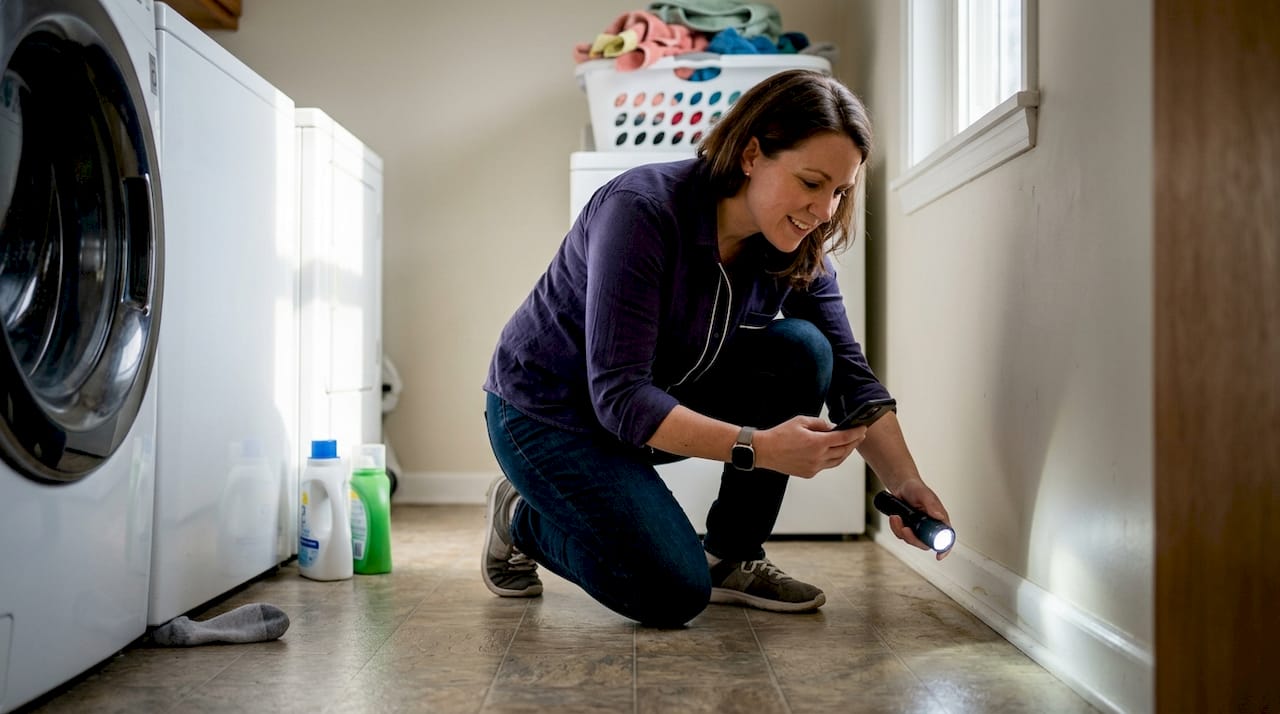
TL;DR:
- Early pest signs include visible droppings and pest sightings.
- Hidden clues such as noises, odors, and environmental changes also indicate infestations.
- Prompt professional intervention is essential for structural damage and recurring pest issues.
Missing the early warning signs of a pest infestation can turn a minor nuisance into a serious, costly problem. Ohio homeowners and business managers deal with pest pressure in every season, from rodents pushing indoors before the first frost to ant colonies emerging under kitchen floors each spring. The difference between a quick treatment and a full-scale remediation often comes down to how early you catch the clues. This guide breaks down every major warning sign, from the visible to the hidden, so you can recognize what is happening in your property and decide when it is time to call a professional.
Table of Contents
- Top physical signs of pest infestations in Ohio
- Hidden clues: Sounds, smells, and subtle evidence
- When damage appears: Structural warnings you can’t ignore
- DIY vs. professional pest control: When to call in the experts
- A local Ohio perspective: The costliest pest control mistakes and how to avoid them
- Protect your Ohio property with expert pest control today
- Frequently asked questions
Key Takeaways
| Point | Details |
|---|---|
| Visible pest clues | Droppings, trails, or body parts are early signs that pests are active. |
| Hidden warning signs | Unusual noises, odors, or bite marks may reveal a serious hidden infestation. |
| Serious structural damage | Gnaw marks, mud tubes, and hollow-sounding wood require urgent professional help. |
| When to call a pro | Persistent or multiple warning signs mean it’s time to contact pest control. |
| Ohio-specific risks | Seasonal patterns increase risk—early action saves money and property. |
Top physical signs of pest infestations in Ohio
The most reliable early evidence of a pest problem is something you can see or touch. Physical signs do not lie, and knowing what each one means can help you identify the specific pest and how serious the situation is before it gets worse.
Droppings are often the first indicator. Pest droppings are a primary early sign of infestation, and their shape and size tell you a lot. Mouse droppings look like small, dark grains of rice, usually found along baseboards, inside cabinets, or near food storage. Cockroach droppings resemble black pepper or tiny dark cylinders. Bed bug droppings appear as rust-colored or dark ink spots on mattresses, headboards, or nearby walls. Ant frass looks like fine sawdust near wooden structures.
Visual sightings are equally telling. Spotting active pests during daylight hours signals an active infestation, because most pests avoid light and exposure unless their population is already large. Seeing a single cockroach in the kitchen at noon is not a good sign. Ant trails along counters or walls indicate a colony nearby. Spiders clustering around windows or vents often suggest other insects nearby that attract them.
Here is a quick comparison of the most common physical evidence types found in Ohio properties:
| Evidence type | Likely pest | Where to look |
|---|---|---|
| Dark rice-shaped pellets | Mice or rats | Cabinets, attic, garage |
| Black pepper specks | Cockroaches | Under appliances, drains |
| Rust-colored ink spots | Bed bugs | Mattresses, furniture seams |
| Sawdust-like powder | Carpenter ants | Windowsills, wooden beams |
| Shed wings near windows | Termites (swarmers) | Windowsills, light fixtures |
| Exoskeletons | Cockroaches, bed bugs | Corners, baseboards |
Key spots to check regularly in Ohio homes:
- Kitchen: Under appliances, inside lower cabinet corners, around the pantry
- Attic: Along insulation edges, near rafters and pipe entry points
- Garage: Near stored boxes, along the walls where floor meets foundation
- Basement: Around water pipes, floor drains, and any cracks in the foundation
Learning more about common Ohio pest species gives you a clearer picture of which pests pose seasonal risks to your specific type of property. Understanding the pest risk factors for Ohio homes also helps you pinpoint vulnerabilities before an infestation takes hold.
Hidden clues: Sounds, smells, and subtle evidence
Not every pest leaves evidence you can see. Some of the most telling warning signs come from what you hear at night, what you smell near walls or furniture, or what you notice has changed in your home environment over time.
Noises are one of the biggest giveaways. Scratching or scurrying sounds in walls or attics are classic indicators of rodents. Mice tend to be most active between dusk and dawn, so you will often hear them when the house is quiet. Chewing sounds near baseboards or ceiling joists can mean a rodent is gnawing through insulation or wood. Faint clicking or rustling in walls during the day can point to larger infestations of cockroaches.
Odors are another hidden signal that many Ohio residents overlook. A musty, sweet smell near furniture or in a bedroom often means bed bugs are present, especially if you also have unexplained bites on your skin in the morning. Rodents produce a strong, ammonia-like urine smell, particularly concentrated in enclosed spaces like closets or attic corners. A greasy, oily odor in the kitchen is frequently linked to cockroach infestations.
Subtle environmental changes round out the hidden clues:
- Unexplained bites or red marks on your skin after waking up
- Shed skins or exoskeletons near furniture, carpets, or in closets
- Mysterious grease trails or smear marks along baseboards
- Pet behavior changes, such as your dog or cat fixating on a specific wall or area
Ohio’s seasonal patterns matter here. Rodents push indoors in September and October as temperatures drop. Ant colonies surge in March and April when the ground thaws. Knowing which season you are in helps narrow down which pest is most likely behind those new overnight sounds.
Pro Tip: Keep a simple log of new sounds or smells, noting the time of night they occur and exactly where in the home. Nighttime noises at 2 a.m. near the attic strongly suggest rodents, while early morning sounds near a bathroom wall may point to cockroaches. This kind of detail helps any pest professional target the problem faster. You can also review seasonal pest threats in Ohio to match the timing of clues to specific pests.
When damage appears: Structural warnings you can’t ignore
Physical and hidden signs are early warnings. But when pest activity starts affecting your property’s structure, you are past the early stage and into territory that demands immediate action.
Structural pest evidence such as gnaw marks on wood or wiring, hollow-sounding wall panels, termite mud tubes, or piles of frass near baseboards signals that wood-destroying pests are actively feeding. Each of these is a direct threat to your property’s integrity.
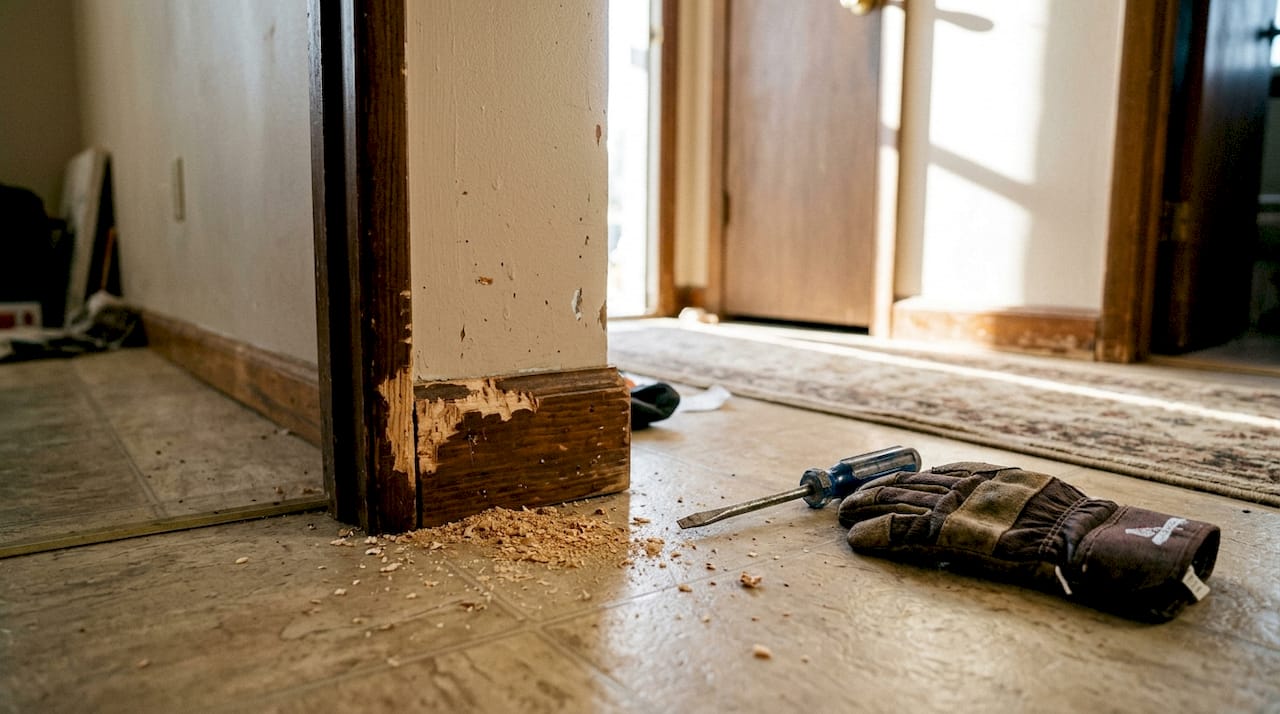
Here is how to tell carpenter ant damage apart from termite damage, two of the most destructive pests in Ohio:
| Feature | Carpenter ants | Termites |
|---|---|---|
| Wood texture | Smooth, clean galleries | Rough, filled with soil/mud |
| Evidence left | Coarse sawdust (frass) | Mud tubes, soft damaged wood |
| Active time | Spring/summer | Year-round (subterranean species) |
| Moisture link | Prefer damp or rotting wood | Create own moisture in wood |
What these pests target in Ohio properties:
- Termites: Floor joists, wall studs, wooden sills near soil contact
- Carpenter ants: Rotting window frames, water-damaged roof sheathing, porch beams
- Rodents: Electrical wiring insulation, wall insulation, stored materials in attics
Up to 40% of U.S. homes experience pest-related structural damage every year, making early identification critical.
If you spot structural evidence, take these steps in order:
- Stop disturbing the area. Avoid breaking open walls or disturbing mud tubes, which can scatter pests and make identification harder.
- Document everything with photos. Clear images from multiple angles help a pest professional make a faster, more accurate assessment.
- Check adjacent areas. Wood-destroying pest damage rarely stays in one spot. Probe nearby wood with a screwdriver for soft or hollow sections.
- Call a licensed pest control professional immediately. Structural pest damage does not resolve on its own and typically worsens with each passing week.
DIY vs. professional pest control: When to call in the experts
Once you have identified signs of pest activity, the next question is practical: can you handle this yourself, or is it time to call a professional? The answer depends on what you are dealing with.
DIY pest control works well for minor, isolated situations. A single ant trail along a windowsill or one mouse sighting with no secondary evidence might be manageable with traps, bait stations, and improved food storage. These small, contained issues respond well to prompt action and basic products from the hardware store.
But there are clear situations where DIY is not enough:
- Repeated sightings of the same pest over several days or weeks
- Multiple types of evidence appearing across different rooms
- Any sign of structural damage from termites, carpenter ants, or rodents
- Bed bug evidence anywhere in the home (these require specialized treatment protocols)
- Commercial properties where pest presence can trigger health code violations
Ohio pest control law requires licensed applicators for commercial-grade treatments, meaning the most effective products are simply not available to the public. A licensed professional also carries liability and follows state-regulated safety standards.
74% of DIY attempts worsen over time, and professional treatment typically ends up less expensive than months of failed store-bought products. In Ohio, one-time professional treatments run $95 to $285, and quarterly service plans cost $95 to $165 per visit. Compared to structural repair costs, that is a strong return on investment.
Pro Tip: Before a professional arrives, photograph every sign you have found and note where and when you first spotted each one. Detailed documentation helps technicians trace the source faster, which reduces both time and treatment cost. For specific guidance, check residential pest control tips or the bed bug elimination guide if you suspect an infestation in your bedrooms.
A local Ohio perspective: The costliest pest control mistakes and how to avoid them
After more than five decades serving Ohio properties, the pattern we see most often is not a lack of awareness. It is delayed action. Homeowners and managers notice something, assume it is a minor issue, and wait. By the time a pest is visible in plain daylight, the population behind your walls is usually far larger than what you are seeing.
Ohio’s climate creates natural pressure points. Fall and early winter bring rodent migration indoors. Spring triggers ant and termite swarms. Waiting until summer to address fall clues means three to four months of unchecked activity. That gap is where the real damage happens.
The second most common mistake is compartmentalizing the problem. A homeowner treats the kitchen for ants but ignores the garage where the colony is actually nesting. Without addressing the source, the treatment is temporary. Proactive seasonal pest monitoring across your whole property, not just the visible hotspots, is how you stay ahead.
Document everything and share it with your pest professional. The more specific information you provide, the more targeted and effective the treatment will be.
Protect your Ohio property with expert pest control today
If you have spotted any of the warning signs covered in this guide, the smartest next step is to get a professional evaluation before the problem grows. At Apex Pest Control, we have been protecting Ohio homes and businesses since 1969, and we know exactly what to look for in every season. Whether you are dealing with rodents finding their way into your walls, bed bugs in a guest room, or structural damage you cannot explain, our licensed team has the tools and experience to address it efficiently. Explore our rodent pest extermination services, review top bed bug treatments for Ohio homes, or get a free pest control quote today.
Frequently asked questions
What do pest droppings look like in Ohio homes?
Mouse droppings resemble small dark grains of rice, while ant droppings are tiny specks and cockroach or bed bug droppings appear as dark spots near hiding areas. Location matters as much as appearance when identifying which pest is present.
Are DIY pest control efforts effective in Ohio?
DIY works for minor, contained infestations, but 74% of cases worsen without professional treatment, making licensed pest control a smarter long-term investment for recurring or structural problems.
When should a business manager in Ohio call pest control?
Managers should call at the first sign of rodents, cockroaches, or bed bugs to prevent health code violations and protect the business’s reputation with customers and employees.
How much does professional pest control cost in Ohio?
A one-time visit typically costs $95 to $285, and quarterly service plans run $95 to $165 per visit, which is often far less expensive than repairing damage caused by untreated infestations.