



TL;DR:
- Most pest hotspots involve areas where moisture, food, shelter, and access overlap, enabling persistent infestations. Addressing these environmental conditions through structural fixes is more effective than repeated pesticide treatments, especially in Oakwood’s older homes and yard habitats. Preventive measures like sealing entry points, controlling moisture, and maintaining yard boundaries can significantly reduce long-term pest problems.
Most homeowners in Oakwood, Ohio assume pest problems start with visible clutter or a gap they can see from the outside. The reality is more frustrating. What are pest hotspots? They are specific locations inside and outside your property where moisture, food, shelter, and access overlap consistently, giving pests exactly what they need to stay, breed, and spread. Understanding these zones is the difference between chasing individual pests with spray cans and actually stopping the cycle. For Oakwood homeowners dealing with ticks, rodents, and seasonal pressure, that difference matters.
Table of Contents
- Key takeaways
- What are pest hotspots inside your home
- Outdoor pest hotspots around Oakwood properties
- How to prevent persistent pest infestations
- Oakwood-specific housing risks and seasonal factors
- My perspective on pest hotspot management in Ohio
- How Apexpestcontrol can help Oakwood homeowners
- FAQ
Key takeaways
| Point | Details |
|---|---|
| Hotspots require four conditions | Pests settle where water, food, shelter, and access overlap, not just where clutter exists. |
| Ticks are a growing Ohio threat | Lyme disease cases in Ohio climbed from 37 in 2010 to 2,830 in 2025, tied to outdoor habitat hotspots. |
| Entry points drive indoor infestations | Foundation cracks, plumbing gaps, and utility penetrations are the most overlooked pest control locations. |
| Oakwood homes face specific risks | Older foundations, attached garages, and leaf-filled gutters create recurring pest infestation zones. |
| Hotspot removal beats chemical spraying | Targeting the root conditions is more effective than applying pesticides without addressing the source. |
What are pest hotspots inside your home
Pest hotspots form where water, food, shelter, and access overlap. You are not dealing with a random ant or a lone mouse. You are dealing with a location that offers everything a pest needs, which means the problem will return no matter how many times you treat the surface.
Moisture hotspots are the most common and the most overlooked. The area under your kitchen sink collects drips from worn pipe fittings. Your basement develops condensation on concrete walls after Ohio’s humid summers. Bathroom tile grout cracks let water seep into wall cavities. These damp, enclosed spaces attract cockroaches, silverfish, and even subterranean insects within weeks.
Food-related hotspots go beyond an open cereal box. Pet feeding stations left out overnight are a major draw for rodents and ants. The gap between your refrigerator and the cabinet collects crumbs and grease that never get cleaned. Pantries with paper bag packaging or cardboard boxes give both insects and rodents something to eat and nest in at the same time.
Shelter hotspots inside homes tend to cluster in storage areas. A cluttered basement corner, wall voids behind older drywall, and the interior of kitchen cabinets rarely touched by light or airflow are all prime real estate for pests. These spots stay undisturbed for months, which is exactly the kind of stability pests need to establish a colony.
Common household pest hotspots related to entry points deserve their own audit. Look for:
- Foundation cracks along the base of older Oakwood homes, especially those built before 1980
- Gaps where plumbing pipes enter through exterior walls or floors
- Door and window frames with weatherstripping that has cracked or pulled away
- Utility line penetrations where cable, gas, or electrical lines pass through the exterior wall
Pro Tip: Walk your home’s perimeter on a rainy day and watch where water pools against the foundation. Those spots are not just drainage problems. They are future pest infestation zones.
Auditing these recurring conditions is more effective than counting pests. Fix the environment first, then treat.
Outdoor pest hotspots around Oakwood properties
The yard feels like open space, but pests read it completely differently. For Oakwood homeowners, two threats dominate the outdoor pest control landscape: ticks and rodents. Both are tied directly to specific habitat conditions your yard may already have.
Ticks do not live evenly across your lawn. They concentrate where managed grass meets unmanaged edge habitats. Here is where they concentrate:
- Wooded edges and brush borders along property lines where you stop mowing
- Tall grass and weeds in corners of the yard that get skipped during maintenance
- Leaf litter piles under trees or along fence lines, which trap moisture and host the small mammals ticks feed on
- Shaded garden beds with dense groundcover that stays damp and cool well into the afternoon
Ohio tick exposure risks are concentrated in these outdoor habitat types from early spring through late fall. Ohio health officials describe the wooded edge as the defining tick boundary on any residential property.
The numbers back up the concern. Lyme disease in Ohio rose from just 37 confirmed cases in 2010 to 2,830 in 2025. That is not a minor statistical shift. It reflects real growth in tick populations and a longer active season tied to Ohio’s increasingly mild winters. Oakwood’s mix of mature trees and green space near residential streets makes this a legitimate local concern.
Rodents follow a different logic but exploit similar neglect. Rodents use foundation gaps and wall penetrations to get indoors, but they stage from outdoor hotspots first. Look at wood piles stacked against the house, dense shrubs within a foot of the foundation, and clogged gutters holding decomposing leaves and standing water. These are not just eyesores. They are staging areas.
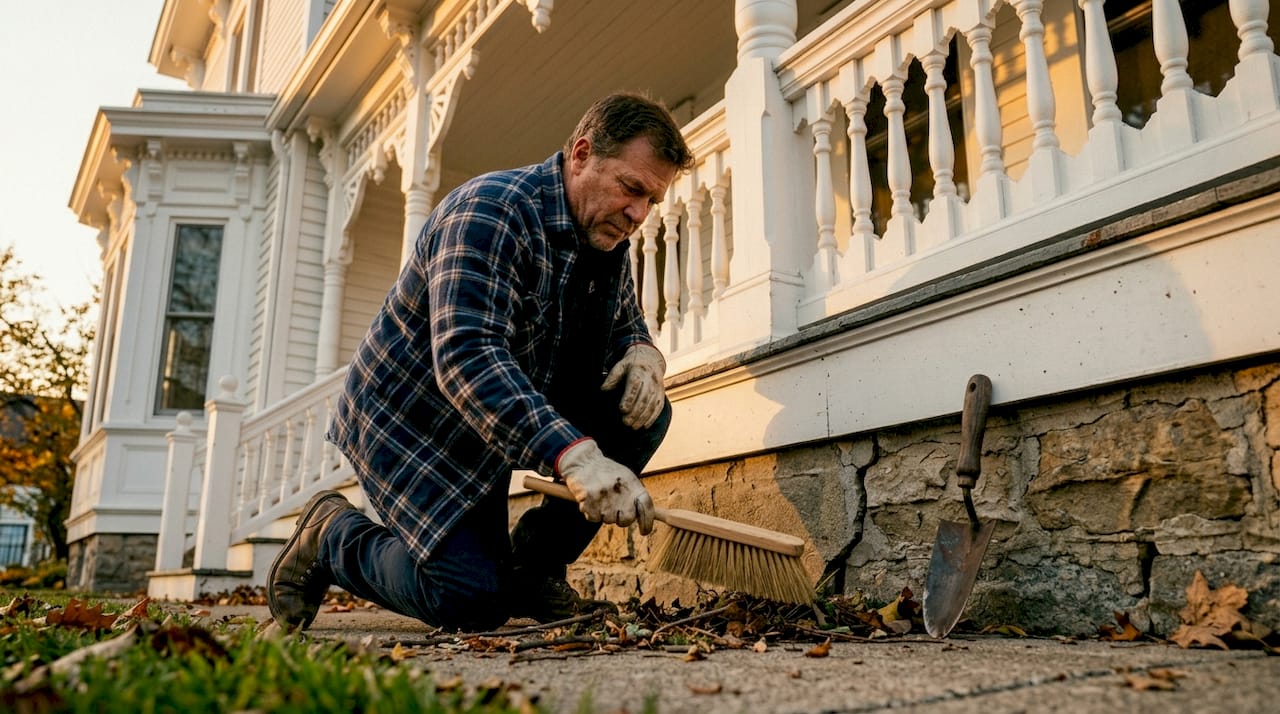
Clearing leaf litter and brush at yard boundaries is consistently the most effective first step in tick hotspot management. Aim for a three-foot buffer zone of mulch or gravel between any wooded edge and your lawn.
Pro Tip: After spending time near wooded or brushy areas in Oakwood, do a full tick check within two hours. If you find one, the OSU Buckeye Tick Test can identify the species and detect pathogens within 72 hours.
How to prevent persistent pest infestations
Here is what most homeowners miss: pest hotspots come back because the conditions that created them never change. You can spray for ants every spring, but if the gap around the pipe under your sink still drips and the cabinet above it never dries out, you will have ants again next spring. The hotspot is the condition, not the pest.
Effective hotspot management depends on infrastructure audits that focus on repeatable moisture and access issues. Here is how to approach prevention systematically:
- Moisture control: Fix leaking pipes immediately, run bathroom exhaust fans during and after showers, and add a vapor barrier in any crawl space under the home. Standing water near the foundation after storms should drain within 24 hours.
- Sanitation: Store all dry goods in sealed hard plastic containers. Clean behind and under appliances at least quarterly. Remove pet food bowls at night and rinse them before morning refills.
- Sealing entry points: Use steel wool packed into gaps before applying caulk, since rodents chew through caulk alone. Seal every plumbing and utility penetration in the exterior wall, even the small ones.
- Outdoor management: Keep gutters cleared so they do not hold water or decomposing debris. Trim shrubs away from the house so there is open space at the base of the foundation. Stack firewood at least 20 feet from any exterior wall.
Pro Tip: In Ohio, run a full property audit in late September before temperatures drop. Rodents begin seeking indoor shelter when nighttime temps consistently fall below 50 degrees. Sealing entry points before that window closes is the most cost-effective prevention move you can make all year.
Ohio’s rising tick population and warming winters mean the active pest season now stretches longer than it did a decade ago. Building prevention habits around Ohio’s actual climate rather than a calendar date gives you a real edge.
Pest management works when you disrupt the overlap. Remove one or two of the four conditions and most pests abandon the location. That is the goal of identifying pest hotspots. Not to memorize where pests live, but to understand what makes a location attractive so you can change it.
Oakwood-specific housing risks and seasonal factors
Oakwood has a distinctive housing stock. Many homes in the area were built between the 1940s and 1970s, and that era of construction brings specific vulnerabilities. Older poured concrete or block foundations develop hairline cracks that widen over years of Ohio freeze-thaw cycles. Crawl spaces in these homes were often left unsealed or with minimal vapor barriers. Attached garages, common in Oakwood neighborhoods, create a shared wall with the living space that often has unnoticed gaps at the base.
| Feature | Vulnerability | Prevention tactic |
|---|---|---|
| Pre-1980 foundation | Cracks from freeze-thaw cycles | Annual caulk and foam inspection |
| Attached garage | Shared wall gaps | Weather seal door base and wall penetrations |
| Mature trees near roofline | Rodent highway via branches | Trim branches 6 feet from roof edge |
| Leaf-prone gutters | Standing water, debris buildup | Clean twice per fall season |
| Crawl spaces | Humidity and rodent nesting | Install vapor barrier and mesh vents |
Ohio winters that alternate between freezing and thawing are particularly hard on exterior sealants and foundation materials. Every spring, those sealed cracks should be re-examined because freeze-thaw action reopens them faster than most homeowners expect.
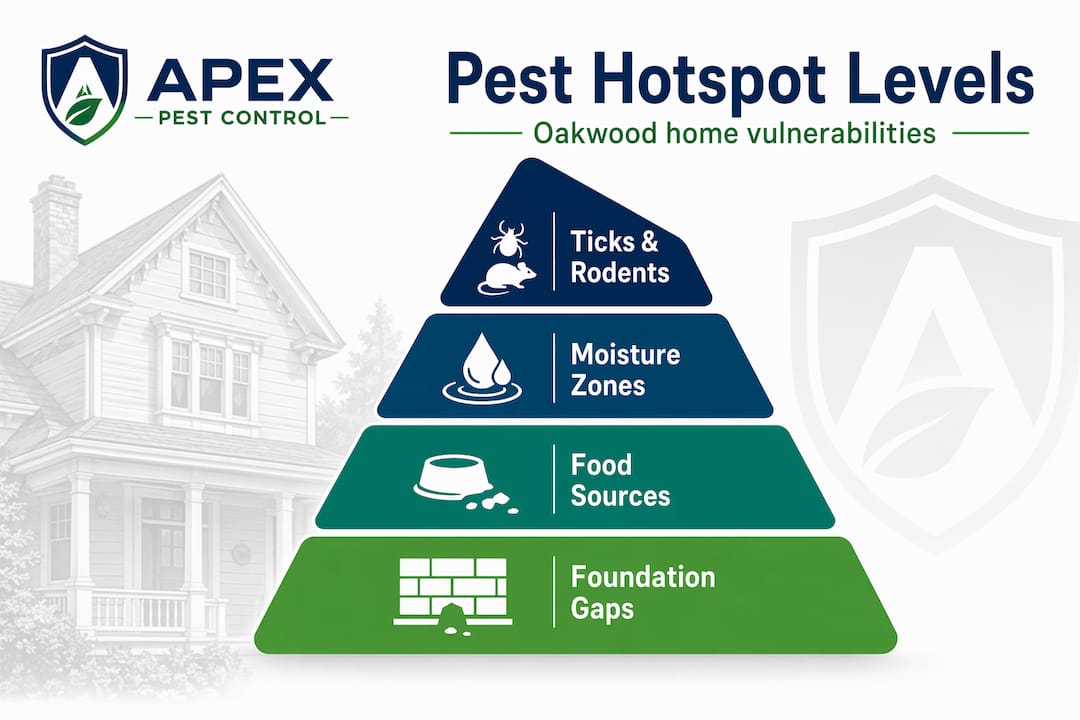
When it comes to DIY versus professional pest control, the honest answer is that DIY works for prevention. Sealing, cleaning, and trimming are all things you can do yourself. But identifying where pests thrive in a 1960s home with a block foundation, a crawl space, and decades of added utility penetrations requires someone who knows what to look for. Checking a pest inspection comparison can help you understand what a professional audit covers versus what a basic treatment visit addresses.
My perspective on pest hotspot management in Ohio
I have been in and around Ohio homes with pest problems long enough to say this with confidence: the biggest mistake homeowners make is calling for treatment after they see pests rather than auditing conditions before the pests arrive. Most of the time when I walk a property, the hotspot has been there for years. The moisture source, the entry gap, the leaf pile against the foundation. The pest is just the symptom.
What I have learned is that chemical treatment without hotspot remediation is essentially a subscription. You pay, the pests come back, you pay again. It is not a failure of the product. It is a failure of approach. Targeting conditions rather than just pests is the only strategy that actually reduces callbacks.
The clients who see the best long-term results are the ones who treat their property like a system rather than a list of rooms. They are the homeowners who check the gutters in October, re-seal the garage threshold every spring, and call for an inspection when something feels off rather than waiting for a full infestation. That mindset changes everything.
If there is one thing I would push back on in conventional pest control advice, it is the idea that any single product or treatment is the answer. The answer is almost always structural. Find the hotspot, remove the conditions, then treat what remains.
— Dushan
How Apexpestcontrol can help Oakwood homeowners
Understanding pest hotspots is only useful when you can actually find and fix them in your specific home. Apexpestcontrol has been serving Ohio homeowners since 1969, and that kind of local track record means our technicians recognize Oakwood’s common housing vulnerabilities from the moment they walk the property.
Whether your concern is rodents staging from an old wood pile near a block foundation or ticks in the brushy edge along your back fence, Apexpestcontrol identifies the conditions driving the problem before recommending any treatment. You can explore residential pest solutions that match the specific hotspot conditions in your home, or get a dedicated assessment for rodent extermination if rodents are already active.
Every inspection starts with a free quote and a real conversation about what is happening on your property. No pressure. Just an honest assessment from licensed technicians who know Ohio pest behavior across every season. Call 1-800-684-2284 or request your free estimate to get started.
FAQ
What are pest hotspots in a home?
Pest hotspots are specific locations where moisture, food, shelter, and access consistently overlap, making them ideal places for pests to settle and breed. Common examples include under-sink cabinets, damp crawl spaces, and cluttered storage areas.
Where do ticks create hotspots on Ohio properties?
Ticks concentrate at the border between maintained lawns and unmanaged areas like wooded edges, tall grass, and leaf litter piles. Ohio health officials recommend maintaining a clear buffer zone between your lawn and any brushy border.
How do I identify pest infestation zones in my house?
Start by checking areas with consistent moisture, poor ventilation, and limited foot traffic. Foundation gaps, plumbing penetrations, and the back corners of kitchen cabinets are reliable starting points for identifying pest control locations.
Why do pest problems keep coming back after treatment?
Pests return when the underlying hotspot conditions remain unchanged. Treating without addressing the moisture source, entry point, or food supply is temporary. Fixing the environment is what breaks the cycle.
Are older Oakwood homes at higher risk for pest hotspots?
Yes. Homes built before 1980 tend to have more foundation cracks from freeze-thaw damage, less sealed utility penetrations, and crawl spaces without vapor barriers. These structural features create more overlapping hotspot conditions than newer construction.