


Most American homeowners are surprised to learn that over 90 percent will encounter a serious pest issue at least once in their lives. The dangers and misconceptions surrounding pest management make it vital to understand not just how pests are removed, but also why smart prevention matters. Discover how modern strategies offer more than temporary fixes, addressing root causes and keeping properties secure year-round.
Table of Contents
- Pest Management Defined and Common Myths
- Residential Versus Commercial Pest Solutions
- Types of Pests Treated in Ohio
- Safe and Eco-Friendly Pest Control Practices
- Costs, Risks, and Legal Compliance
Key Takeaways
| Point | Details |
|---|---|
| Pest Management Focus | Pest management is a strategic approach prioritizing prevention, monitoring, and sustainable solutions over mere extermination. |
| Residential vs. Commercial Needs | Pest control strategies must be tailored to the unique demands of residential and commercial environments, considering health, safety, and regulatory requirements. |
| Types of Pests in Ohio | Ohio faces a variety of pests, from insects to wildlife, requiring specialized management strategies based on specific behaviors and risks. |
| Eco-Friendly Practices | Modern pest management emphasizes eco-friendly and safe techniques, such as biological controls and habitat modification, to protect both human health and the environment. |
Pest Management Defined and Common Myths
Pest management represents a strategic, science-driven approach to controlling unwanted organisms in residential and commercial environments. Unlike traditional extermination methods that simply eliminate pests, pest management focuses on comprehensive prevention, understanding pest behavior, and implementing sustainable solutions. Integrated Pest Management (IPM) provides a systematic framework for addressing pest challenges with minimal environmental impact.
Many homeowners harbor misconceptions about pest control that can lead to ineffective or potentially harmful strategies. Common myths include believing that DIY treatments are always cheaper, that one-time treatments solve ongoing pest problems, or that chemical solutions are the only effective method. In reality, professional pest management involves complex strategies that consider ecological factors, pest life cycles, and targeted intervention techniques. Professionals analyze specific environmental conditions, identify pest entry points, and develop customized treatment plans that address root causes rather than merely treating symptoms.
The core principles of effective pest management involve multiple strategic approaches:
- Prevention: Identifying and eliminating conditions that attract pests
- Monitoring: Regular inspections to detect early signs of infestation
- Intervention: Using scientifically proven, environmentally responsible control methods
- Evaluation: Continuous assessment and adjustment of pest management strategies
Ultimately, successful pest management requires a holistic approach that balances human safety, environmental preservation, and targeted pest control. By understanding pest behaviors, implementing proactive strategies, and working with professional pest control experts, Ohio homeowners can protect their properties effectively and sustainably.
Residential Versus Commercial Pest Solutions
Pest control strategies differ significantly between residential and commercial environments, reflecting unique challenges and requirements. Integrated Pest Management (IPM) principles apply broadly, but the implementation varies dramatically depending on the specific context. Residential pest solutions typically focus on protecting individual homes and family health, while commercial pest management addresses more complex systemic challenges that impact entire business operations.
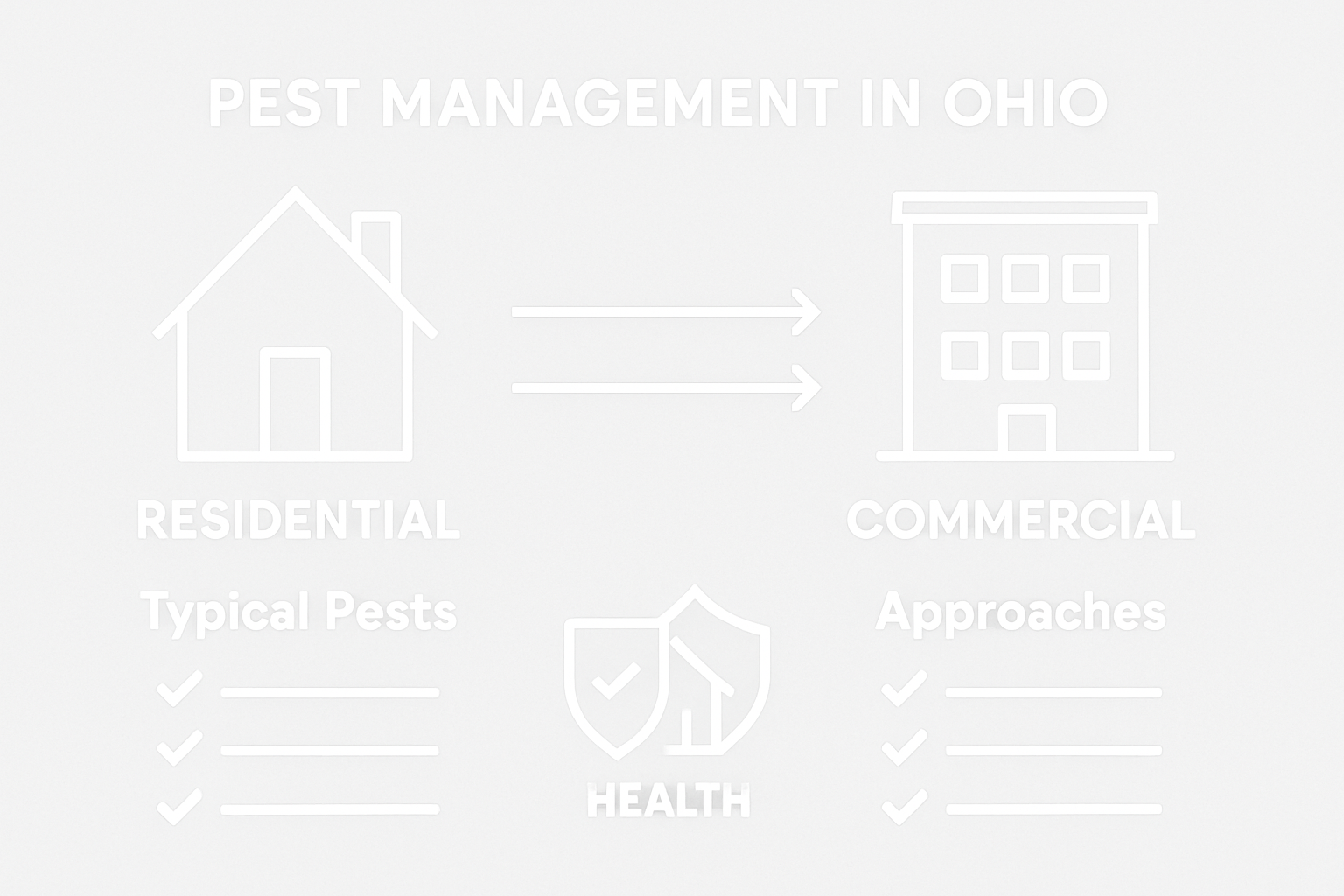
In residential settings, pest control concentrates on creating safe, comfortable living spaces. Homeowners need targeted treatments that address specific household pests like ants, rodents, and seasonal insects. Commercial pest control services demand a more comprehensive approach, considering industry-specific regulations, potential health code violations, and the economic implications of pest infestations. A restaurant, warehouse, or healthcare facility requires nuanced strategies that go beyond simple elimination.
Key differences between residential and commercial pest solutions include:
- Scope: Residential focuses on individual property protection; commercial addresses entire facility management
- Complexity: Commercial solutions involve more intricate environmental assessments
- Regulatory Compliance: Business pest control must meet stringent health and safety standards
- Frequency: Commercial treatments often require more frequent and systematic interventions
Ultimately, both residential and commercial pest management share a core objective: protecting human health and property. By understanding the unique demands of each environment, pest control professionals can develop targeted, effective strategies that minimize risks and maintain safe, pest-free spaces.
Types of Pests Treated in Ohio
Ohio homeowners and businesses face a diverse array of pest challenges that require specialized management strategies. Pest populations in Ohio encompass a wide range of species that can impact residential, commercial, and natural environments. From small household insects to larger wildlife intrusions, understanding the specific types of pests is crucial for effective control and prevention.
Forest and ecosystem pests present unique challenges in Ohio, with species like gypsy moths and mountain pine beetles threatening natural landscapes. However, residential pest concerns typically focus on more immediate threats to homes and health. Common household pests in Ohio include:
- Insects: Ants, cockroaches, bed bugs, termites, and seasonal stinging insects
- Rodents: Mice, rats, and other small mammals
- Wildlife: Raccoons, squirrels, and occasional bat infestations
- Seasonal Pests: Mosquitoes, ticks, and various flying insects
Each pest type requires a tailored approach, considering its unique behavior, habitat, and potential risks. Effective pest management goes beyond simple elimination, focusing on understanding pest behaviors, preventing future infestations, and minimizing environmental impact. Ohio residents must remain vigilant, recognizing that different seasons bring different pest challenges, from spring’s ant invasions to fall’s rodent migrations.
Professional pest control services in Ohio specialize in comprehensive strategies that address both immediate pest problems and long-term prevention. By combining scientific knowledge, targeted treatments, and ongoing monitoring, these experts help protect Ohio homes and businesses from the wide variety of pests that threaten comfort, health, and property integrity.
Safe and Eco-Friendly Pest Control Practices
Modern pest management has evolved to prioritize environmental safety and human health, moving far beyond traditional chemical-heavy approaches. Integrated Pest Management (IPM) principles represent a sophisticated strategy that emphasizes prevention, minimal intervention, and holistic environmental considerations. This approach focuses on understanding pest behaviors and ecosystems, targeting root causes rather than simply eliminating visible symptoms.
Eco-friendly pest control strategies incorporate multiple sustainable techniques:
- Biological Controls: Using natural predators to manage pest populations
- Habitat Modification: Removing pest attractants and blocking entry points
- Targeted Treatments: Applying minimal, precise interventions
- Organic Solutions: Utilizing plant-based and low-toxicity treatments
Professional pest control services now recognize that environmentally sensitive approaches provide long-term benefits. These methods protect not just human inhabitants, but also pets, beneficial insects, and surrounding ecosystems. By carefully assessing each unique environment, technicians can develop customized solutions that minimize chemical use while effectively managing pest populations.
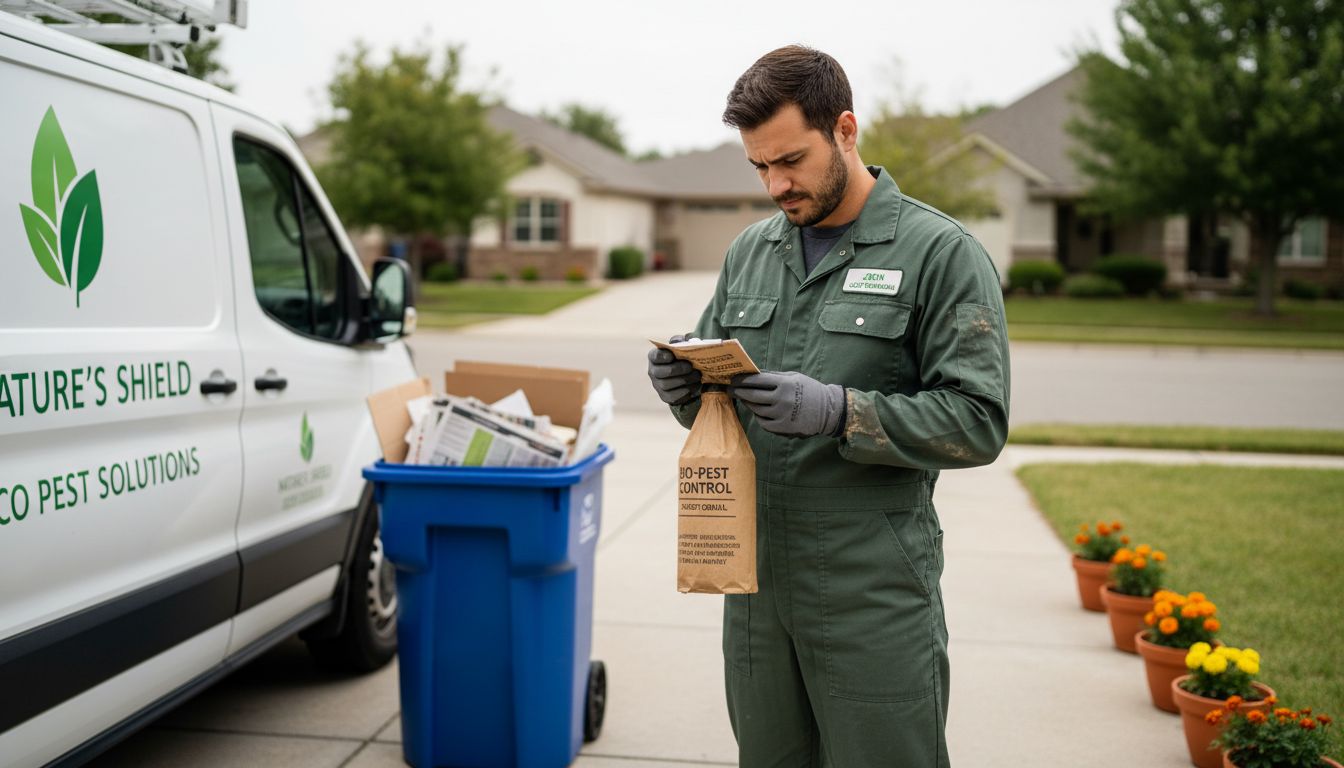
Ultimately, safe pest control is about balance. It requires understanding complex interactions between human spaces and the natural world, implementing intelligent strategies that respect both immediate pest management needs and broader environmental health. Ohio homeowners can now access pest control solutions that are effective, responsible, and aligned with modern ecological principles.
Costs, Risks, and Legal Compliance
Pest management involves complex considerations that extend far beyond simple treatment strategies, encompassing financial, health, and regulatory dimensions. Federal pest management regulations establish critical guidelines that protect public interests and ensure responsible pest control practices across residential and commercial environments.
Cost factors in pest management vary significantly based on several key variables:
- Infestation Severity: Minor issues cost less to address
- Property Size: Larger spaces require more extensive treatments
- Pest Type: Different species demand specialized intervention strategies
- Treatment Frequency: One-time versus ongoing management plans
- Prevention Methods: Proactive approaches can reduce long-term expenses
Legal compliance represents a crucial aspect of professional pest management. Ohio regulations mandate specific standards for pesticide application, environmental protection, and public safety. Businesses and homeowners must navigate complex requirements that balance effective pest control with ecological preservation. This includes using approved chemicals, maintaining proper documentation, and implementing scientifically validated management techniques.
Ultimately, comprehensive pest management is an investment in property protection, health safety, and environmental responsibility. By understanding the intricate balance between cost-effectiveness, risk mitigation, and legal standards, Ohio residents can make informed decisions that protect their homes, businesses, and surrounding ecosystems.
Protect Your Ohio Home with Expert Pest Management Solutions
Understanding the complexities of pest management is essential to protecting your home from costly infestations and health risks. This article highlights the importance of a strategic approach that includes prevention, monitoring, and eco-friendly interventions to keep pests like ants, rodents, and stinging insects at bay. If you want effective, science-based solutions tailored to your property’s unique needs, Apex Pest Control offers comprehensive services for Ohio residents who value safety for their families, pets, and the environment.
Don’t let myths about pest control put your home at risk. Discover how our residential services, including specialized treatments like Mosquito Prevention and Exterior Rodent Control, provide ongoing protection that adapts to seasonal pest challenges. Ready to protect your home with trusted professionals who apply Integrated Pest Management principles? Explore our approach in more detail in the Uncategorized Archives – Apex Pest Control and get started today by requesting your personalized pest control plan at Apex Pest Control Free Quote. Take action now to safeguard your home and experience peace of mind with pest management designed for Ohio homeowners.
Frequently Asked Questions
What is the difference between pest management and pest extermination?
Pest management is a comprehensive approach that emphasizes prevention, understanding pest behavior, and sustainable solutions, while extermination focuses primarily on eliminating pests using chemical methods.
What are the core principles of effective pest management?
The core principles include prevention, monitoring, intervention using environmentally responsible methods, and evaluation through continuous assessment of the strategies employed.
How does Integrated Pest Management (IPM) work?
IPM works by combining various strategies to manage pests in an environmentally friendly manner, focusing on understanding pests’ behaviors and implementing minimal intervention techniques to control pest populations effectively.
What types of pests are commonly found in residential areas?
Common household pests include insects like ants, cockroaches, bed bugs, and termites, as well as rodents like mice and rats, and wildlife such as raccoons and squirrels.