



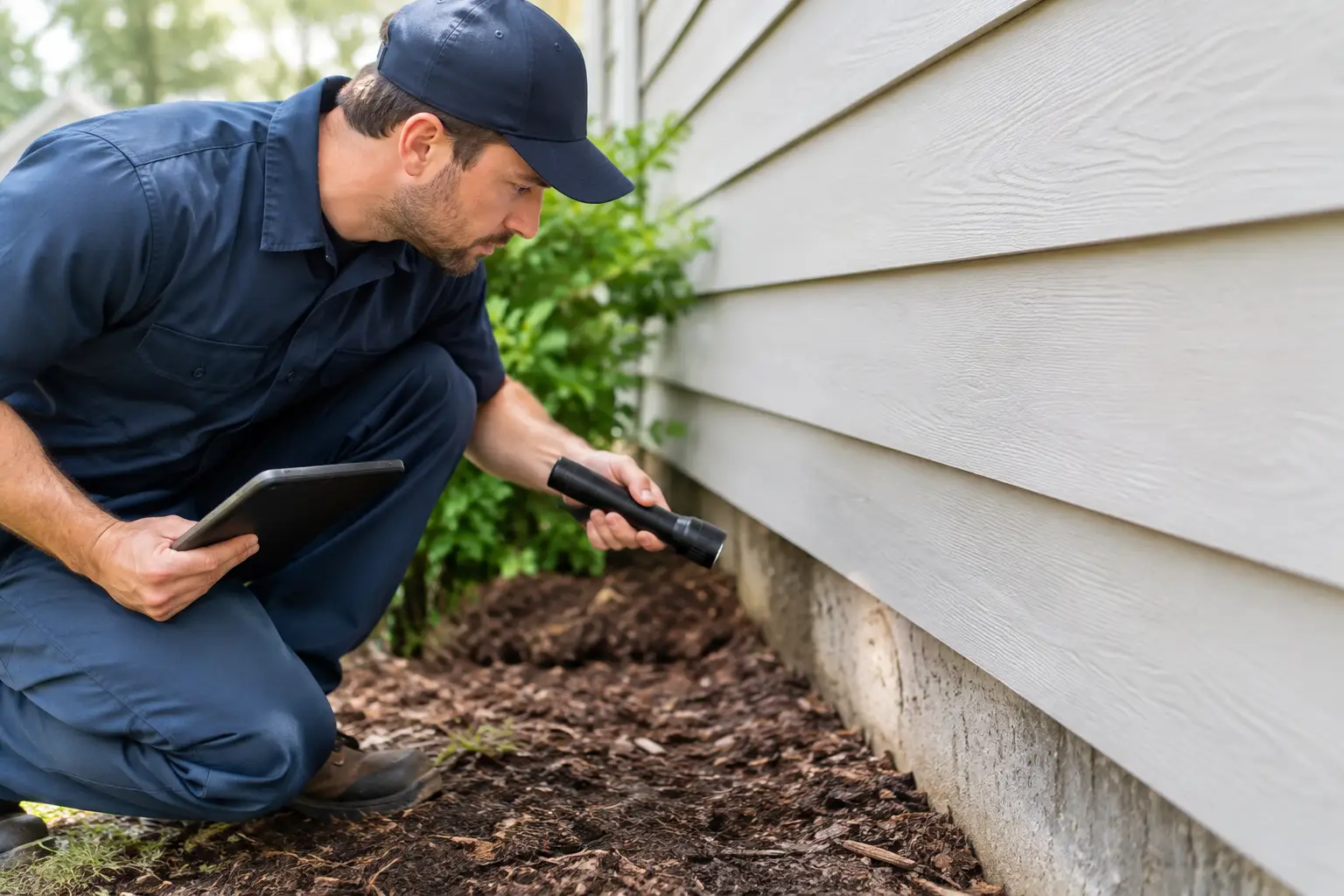
A termite colony can work behind a finished basement wall, beneath flooring, or inside a sill plate long before a homeowner sees obvious damage. That is why the question, when should termite inspections happen, deserves a clear answer: schedule a professional inspection at least once a year, and arrange one sooner whenever your property changes hands, moisture problems develop, or termite activity is suspected.
For Ohio property owners, prevention is far less disruptive than repairing structural wood after an infestation has been active for months. A qualified inspection gives you a documented view of conditions around the home, evidence of activity if it exists, and a practical plan to correct risks before they become costly damage.
When Should Termite Inspections Happen? Start With an Annual Check
An annual termite inspection is a sound baseline for most homes. Subterranean termites are the primary concern in Ohio, and they travel from the soil into wood through concealed routes. They do not need to be visible in an open room to damage framing, floor systems, porches, or attached structures.
A yearly inspection allows a trained professional to look for the small changes that homeowners can easily miss: mud tubes on foundation walls, moisture-damaged wood, soft spots near plumbing, wood-to-soil contact, and conditions that make a property more attractive to termites. It also creates a consistent record of your property’s condition over time.
Spring is often an ideal time to schedule, particularly after winter weather and before the busiest part of the termite swarming season. However, termites remain active below ground whenever conditions allow. Do not wait for a particular month if you have concerns. An inspection in August or January is still worthwhile when warning signs are present.
Homes with a history of termites, crawl spaces, chronic drainage issues, older wood construction, or substantial landscaping near the foundation may benefit from more frequent monitoring. The right interval depends on the property, not a generic calendar reminder.
Schedule an Inspection Before Buying or Selling Property
A termite inspection should happen during the purchase or sale of a home, even if the building appears well maintained. A general home inspection is valuable, but it is not always a substitute for a focused wood-destroying insect inspection. Termite evidence can be subtle, concealed, or outside the scope of a standard inspection.
For buyers, this step helps identify active infestations, prior damage, and conditions that could require treatment or repairs. For sellers, an inspection can prevent an unwelcome surprise late in the transaction and provide clarity when a buyer asks for documentation.
The same principle applies to commercial property acquisitions, lease transitions, and major facility renovations. A termite issue discovered after a deal closes can create repair expenses, operational disruption, and avoidable disputes over responsibility.
Do Not Wait If You See These Warning Signs
A scheduled inspection is preventive. An inspection after a warning sign is urgent. Contact a pest management professional promptly if you notice any of the following:
- Pencil-width mud tubes along foundation walls, crawl space supports, garage walls, or utility penetrations
- Winged insects indoors or piles of matching, shed wings near windows, doors, or light fixtures
- Wood that sounds hollow, feels soft, bubbles beneath paint, or is easily damaged with light pressure
- Tight-fitting doors or windows, unexplained cracks around trim, or sagging areas near floors and ceilings
- Moisture leaks, standing water, damaged gutters, or soil that consistently stays wet near the foundation
Winged termites, also called swarmers, are especially easy to confuse with flying ants. Both can appear in spring, but termites have straight antennae, a broad waist, and similarly sized wings. Save a sample or take a clear photo if possible, but do not delay service while trying to identify the insect yourself.
Visible damage is not a measure of how long termites have been present. By the time wood damage is apparent, a colony may have already traveled through concealed structural areas. A professional inspection can determine whether activity is current, old, or caused by another moisture-related issue.
Inspect After Water Problems and Construction Changes
Termites are drawn to environments that provide food, moisture, and protected access. A roof leak, plumbing leak, flooded basement, damaged downspout, or poor grading can create conditions that deserve a termite inspection, particularly when moisture reaches structural wood.
Major property changes also justify a check. Consider scheduling an inspection after adding a deck, replacing a porch, building an addition, installing landscaping that covers the foundation, or storing lumber and wood debris near the home. These projects do not automatically cause termites, but they can create new access points or obscure areas that need routine observation.
Firewood, mulch, railroad ties, and decorative timbers should be kept from direct contact with the home’s exterior whenever possible. Good drainage, clear foundation visibility, and separation between soil and structural wood are meaningful parts of termite prevention. They are not replacements for professional inspection, but they reduce the conditions termites use to enter undetected.
How Often Should Commercial Properties Be Inspected?
Commercial termite inspections should follow the property’s risk profile, construction, use, and compliance requirements. A single annual inspection may be appropriate for a low-risk office building, while multifamily housing, food-related facilities, warehouses, historic buildings, and properties with recurring moisture concerns may need more frequent service.
Facility managers need more than a quick walk-through. They need reliable documentation, clear findings, and a service plan that accounts for loading areas, utility rooms, landscaping, crawl spaces, tenant spaces, and structural modifications. For multi-location operators, consistent inspection standards help reduce gaps between sites.
If termites are found, treatment should be paired with ongoing monitoring and corrective recommendations. Eliminating active termites matters, but preventing the next infestation requires attention to moisture, entry points, wood contact, and site conditions.
What a Professional Termite Inspection Includes
A thorough inspection focuses on accessible areas where termites travel, feed, or leave evidence. That commonly includes the exterior foundation, basement, crawl space, garage, porches, decks, interior baseboards, utility entry points, and accessible attic or structural areas.
The technician looks for live termites, mud tubes, damaged wood, frass or insect evidence, moisture conditions, and construction features that increase risk. Not every wall cavity or concealed area can be examined without opening it, so a dependable professional will explain any limitations rather than overpromise certainty.
If activity is found, the next step depends on the building and extent of the infestation. Effective termite control may include targeted treatment, a monitored baiting system, liquid barrier treatment, or a combination of methods. The best approach protects the structure while considering the household, pets, occupants, and the specific conditions that allowed termite activity to develop.
Apex Pest Control has provided proven pest management since 1969, with trained professionals who evaluate the full picture rather than treating only the most visible sign. For homeowners, that means a clear path from inspection to protection. For commercial operators, it means dependable reporting and service built around operational needs.
A Practical Inspection Timeline for Ohio Owners
If you have never had a termite inspection, schedule one now rather than waiting for spring. If the property has no current concerns, continue with annual professional inspections. Arrange an additional inspection before a real estate transaction, after significant water damage or construction changes, and immediately after seeing swarmers, mud tubes, or suspicious wood damage.
Termites do not announce themselves on a convenient schedule. A timely inspection gives you answers before a hidden problem has the chance to become a structural repair project – and that is the kind of peace of mind every property owner deserves.