



TL;DR:
- Effective pest control in Mayfield requires addressing entry points, food sources, and seasonal patterns.
- Integrated Pest Management emphasizes inspection, preparation, targeted treatment, and ongoing monitoring.
- Prevention through sealing gaps and reducing moisture greatly enhances long-term pest management success.
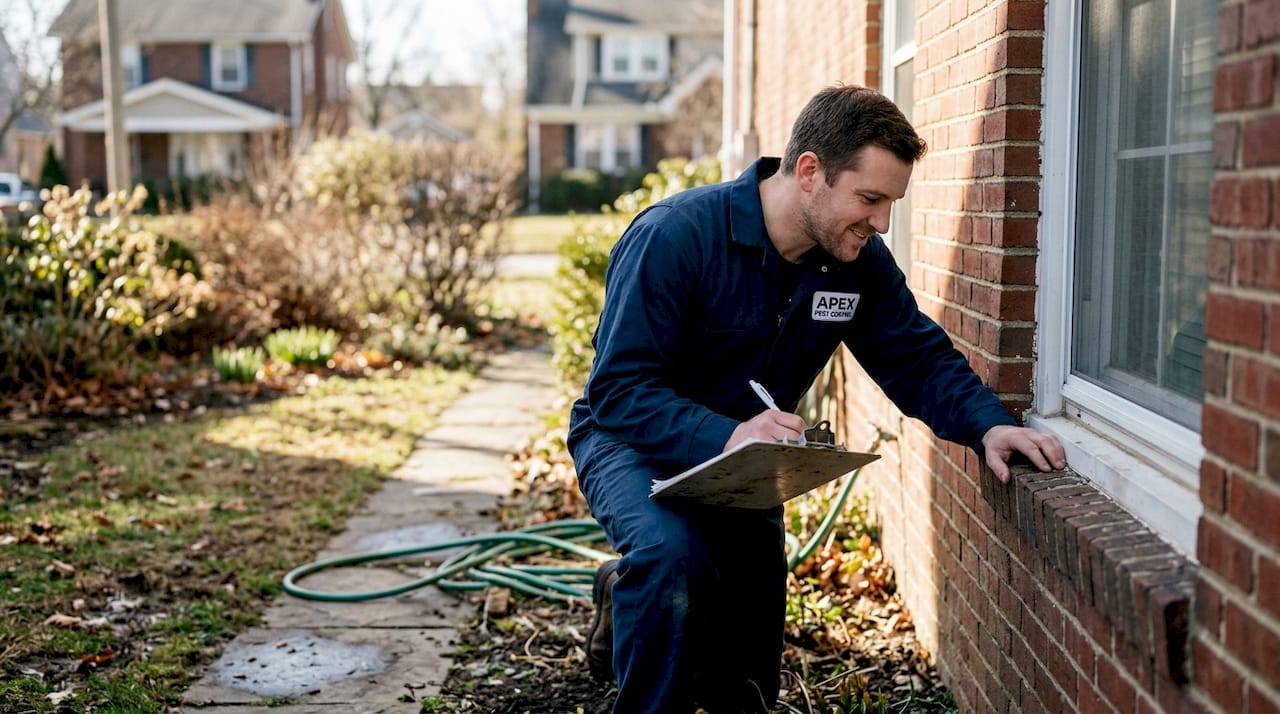
Grab a can of bug spray and blast every corner of your basement. That’s the plan, right? Wrong. Most pest problems in Mayfield, Ohio aren’t solved by a single chemical treatment. They come back because the root causes, entry points, food sources, and seasonal pressures, are never addressed. Whether you manage a rental property in Mayfield Heights or own a home near Gates Mills, this guide walks you through the real pest threats in your area, how modern pest control actually works, and the practical steps that keep infestations from coming back season after season.
Table of Contents
- Understanding pest challenges in Mayfield
- Integrated pest management: The smarter Mayfield solution
- Practical prevention and property preparation tips
- When to call a Mayfield pest expert
- Our perspective: Why smarter pest control means thinking beyond chemicals
- Get professional help for pest control in Mayfield
- Frequently asked questions
Key Takeaways
| Point | Details |
|---|---|
| Local expertise matters | Mayfield’s pests and conditions are unique, so local providers understand how to control them best. |
| IPM is most effective | Integrated Pest Management targets the source for safer, longer-lasting pest control. |
| Prevention is power | Simple steps like sealing cracks and limiting food or moisture stop many pest problems before they start. |
| Know when to call experts | Fast professional help is best for persistent infestations, unknown pests, or critical settings. |
Understanding pest challenges in Mayfield
Mayfield sits in northeast Ohio, where cold winters and humid summers create a near-perfect cycle for pest activity. Rodents push indoors when temperatures drop. Ants, spiders, and stinging insects surge through spring and summer. Then overwintering pests like stink bugs and cluster flies find their way into wall voids before the first frost. This isn’t a one-season problem.
The pest threats by season in Ohio shift constantly, which is why a single annual spray treatment rarely holds up. Pests adapt. They find new entry points. They exploit moisture problems that develop over winter. A strategy that works in July may do nothing for a rodent problem in November.
Here’s a snapshot of the most common pests affecting Mayfield properties:
- Ants and carpenter ants (spring through fall, especially near wood structures)
- Mice and rats (year-round, peaking in fall and winter)
- Spiders (late summer and fall, often entering from vegetation)
- Wasps and bees (late spring through early fall, nesting in eaves and soffits)
- Moles (active in spring and fall, damaging lawns and landscaping)
- Bed bugs (year-round, spread through travel and secondhand furniture)
Local pest services in Mayfield address ants, bees, wasps, mice, spiders, rats, moles, carpenter bees, and carpenter ants as their core service list, which tells you a lot about what’s actually active in the area. And according to the Ohio Home Pest Guide 2025, bed bugs and rodents are among the most persistent pest pressures statewide.
National pest control brands often apply the same treatment protocols across hundreds of markets. That approach misses Mayfield’s specific construction styles (older homes with more gaps), its tree canopy (which invites carpenter ants and squirrels), and its seasonal weather extremes.
Local service providers understand Mayfield’s unique climate and construction. They know which pests peak in which neighborhoods and why. That local knowledge changes the outcome.
If you want to reduce local pest risks effectively, you need a plan built around your specific property and the pests most likely to target it.
Integrated pest management: The smarter Mayfield solution
With those local problems in mind, effective solutions begin with choosing the right pest control philosophy. That philosophy has a name: Integrated Pest Management, or IPM.
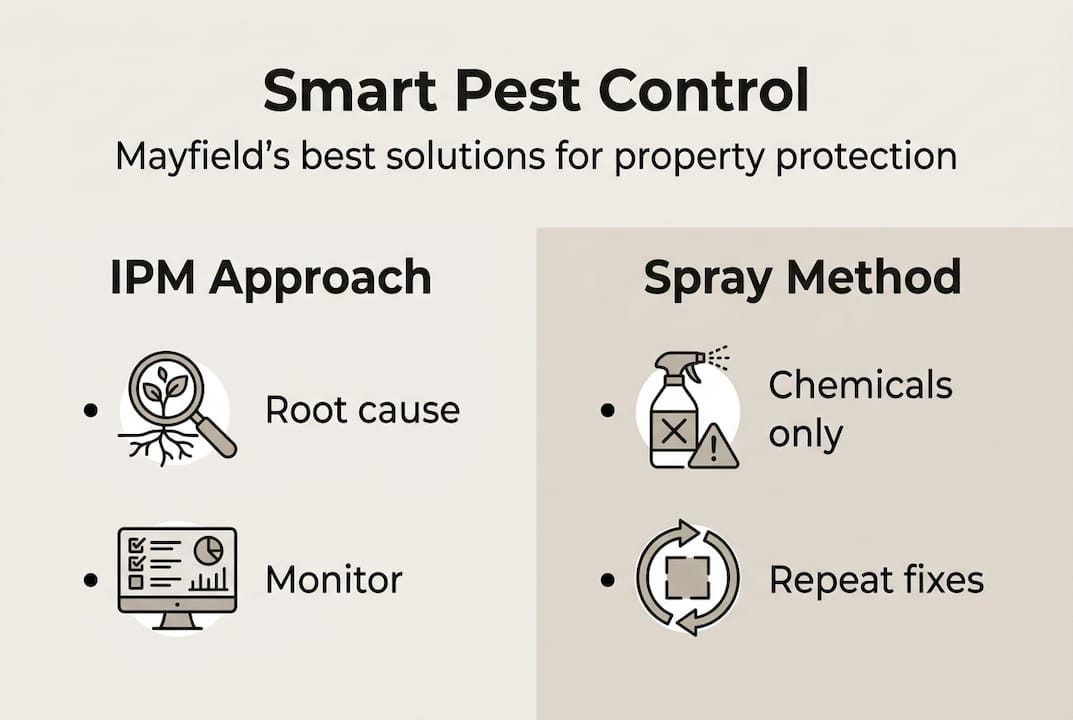
IPM isn’t a single product or technique. It’s a structured approach that combines inspection, preparation, targeted treatment, and ongoing prevention. The IPM approach is now the standard recommended by pest professionals and university extension programs alike because it produces lasting results without relying on heavy chemical use.
Here’s how IPM works in practice for a Mayfield property:
- Assess the property for active pests, entry points, and conditions that attract them
- Prepare the space by removing harborage, sealing gaps, and fixing moisture issues
- Treat using the least disruptive method that works, whether that’s baits, traps, or targeted pest treatments
- Monitor and prevent by scheduling follow-up checks and maintaining the changes made
According to the Ohio Home Pest Guide 2025, IPM involves assessment, preparation, safe treatments, and ongoing monitoring as its core steps. This matters because it treats your property as a system, not just a surface to spray.
Compare that to conventional spray-only approaches:
| Factor | IPM approach | Conventional spray |
|---|---|---|
| Root cause addressed | Yes | Rarely |
| Chemical use | Minimal, targeted | Heavy, broad |
| Long-term effectiveness | High | Low to moderate |
| Health and safety impact | Lower risk | Higher exposure |
| Cost over time | Decreases | Often increases |
The difference in long-term cost is real. Properties that invest in prevention spend less on repeat treatments. A pest-proof home isn’t just more comfortable. It’s more cost-efficient.
Pro Tip: Ask any pest control provider whether they follow an IPM framework before you hire them. If they can’t explain their inspection and prevention steps, you’re probably paying for spray-only service that won’t hold.
Practical prevention and property preparation tips
Once you understand the smarter approach, it’s time to apply it with concrete steps. Prevention is where most property owners can make the biggest difference on their own, before a professional ever shows up.
The Ohio Home Pest Guide 2025 confirms that sealing entries and reducing food and moisture sources significantly enhances the effectiveness of any pest control program. In other words, what you do between treatments matters as much as the treatments themselves.
Start with these high-impact actions:
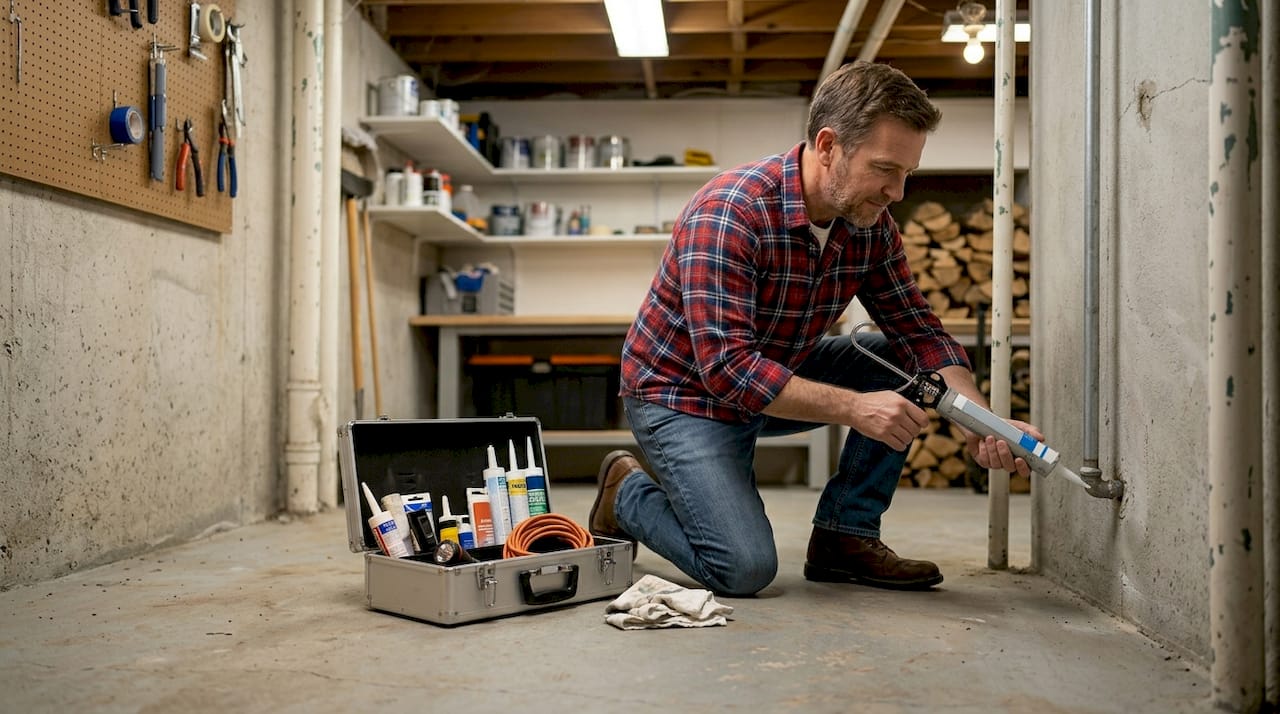
- Seal gaps and cracks around windows, doors, utility penetrations, and the foundation. Even a gap the width of a pencil is enough for a mouse to squeeze through.
- Fix leaking pipes and drainage issues. Moisture is one of the top attractants for cockroaches, silverfish, and carpenter ants.
- Clear debris from around the foundation. Woodpiles, leaf piles, and mulch beds within two feet of your home create perfect harborage for rodents and insects.
- Store food in sealed containers. This applies to pet food too. Open bags left on the floor invite ants and rodents overnight.
- Keep gutters clean. Clogged gutters hold moisture and create entry points near the roofline.
Research shows that a large share of pest entries into homes happen through gaps or cracks in the building envelope. This is why the pest-proofing basics always start with a physical inspection of the structure, not a chemical application.
For commercial property managers, the same logic applies at a larger scale. Loading dock doors, dumpster areas, and HVAC penetrations are common entry points that get overlooked. Review the essential prevention tips for a more detailed checklist.
Pro Tip: Walk your property’s perimeter once a month. You’ll catch new gaps, nesting activity, or early signs of damage before they become expensive problems. This 15-minute habit replaces hours of reactive pest control.
When to call a Mayfield pest expert
Even with solid prevention, some situations call for expert intervention. Knowing when to stop DIY-ing and pick up the phone saves you time, money, and in some cases, real health risk.
Here are the clearest signs you need a professional:
- Recurring infestations despite repeated DIY treatments
- Unknown pest you can’t identify with confidence
- Structural damage such as wood shavings, gnaw marks, or soft spots in walls
- Health concerns including allergic reactions to stings or respiratory issues from droppings
- Large or active colonies of wasps, carpenter ants, or termites
Local specialists bring tools and knowledge that over-the-counter products simply can’t match. Comprehensive local services in Mayfield cover both residential and commercial properties, meaning they understand the different pressures a restaurant faces versus a single-family home.
What should you expect from a professional inspection? A good provider will walk through your property, explain what they find in plain language, and present a custom treatment plan. They won’t just spray and leave. They’ll tell you what prep work helps, what follow-up looks like, and what signs to watch for.
A professional inspection isn’t just about finding pests. It’s about understanding why they’re there and what conditions are keeping them coming back.
Common DIY mistakes that end up costing more:
- Using the wrong product for the pest species
- Treating visible pests while missing the nest or harborage
- Ignoring overwintering pest signs until the infestation is established
- Applying pesticides in ways that scatter pests deeper into walls
If you’re unsure whether your situation warrants a call, the residential pest control guide offers a solid framework for evaluating your options.
Our perspective: Why smarter pest control means thinking beyond chemicals
Having covered approaches and best practices, let’s look at why thinking differently makes a long-term impact. After decades of working in Ohio pest control, one pattern stands out: properties that rely on chemical treatments alone almost always end up calling more often, not less.
Heavy chemical use creates resistance over time. Certain ant and cockroach populations adapt. More importantly, it gives property owners a false sense of security. The spray happened, so the problem is solved. Until it isn’t.
The uncomfortable truth is that preparation and maintenance matter more than the formula in the spray bottle. A well-sealed home with no moisture issues and clean food storage will have fewer pest problems than a neglected property treated with the strongest product on the market.
We also see property values affected. Homes with documented pest histories, especially rodents or carpenter ants, take longer to sell and often appraise lower. Investing in a real IPM approach isn’t just about comfort. It protects the asset itself.
The community angle matters too. When neighbors coordinate on prevention, shared pest pressures drop. That’s not something a spray can accomplish alone.
Get professional help for pest control in Mayfield
Ready to protect your property with confidence? At Apex Pest Control, we’ve been serving Ohio homeowners and property managers since 1969. Our team understands the seasonal pest cycles specific to northeast Ohio and builds treatment plans around your property’s actual vulnerabilities, not a generic checklist.
From rodent extermination to stinging insects, overwintering pests, and everything in between, our residential pest solutions are designed to deliver lasting results. We use an IPM framework, so you’re not just getting a spray visit. You’re getting a plan. Contact us today for a free pest control quote and find out what targeted, local expertise can do for your Mayfield property.
Frequently asked questions
What pests are most common in Mayfield homes?
Ants, mice, spiders, carpenter bees, wasps, and seasonal rodents are the most frequently reported pests in Mayfield homes, with activity peaking at different times of year.
How does integrated pest management (IPM) work in Ohio?
IPM involves inspecting for active pests, preparing the property by sealing entries and reducing attractants, applying safe and targeted treatments, and then monitoring to prevent future infestations.
When should I call a professional pest control service?
Call a professional when infestations recur despite DIY efforts, when you can’t identify the pest, or when there are health or structural risks involved. Local comprehensive services in Mayfield can handle both residential and commercial situations.
Can property preparation really reduce pest problems?
Absolutely. Sealing entry points and eliminating food and moisture sources are among the most effective steps you can take, often reducing the need for chemical treatments significantly.