


A mouse in the pantry, a trail of ants along the counter, or bed bugs discovered after a night of restless sleep all demand action. But when comparing exterminator vs pest control, many property owners are really asking a more practical question: do I need immediate removal, long-term protection, or both?
The terms are often used interchangeably, and there is real overlap between them. The difference usually comes down to the scope of service. Extermination focuses on eliminating an active pest problem. Pest control is broader – it addresses the current infestation while reducing the conditions that allow pests to return. For homes, apartments, restaurants, warehouses, offices, and other facilities, the right choice depends on the pest, the severity of activity, and the risk of recurrence.
Exterminator vs Pest Control: The Core Difference
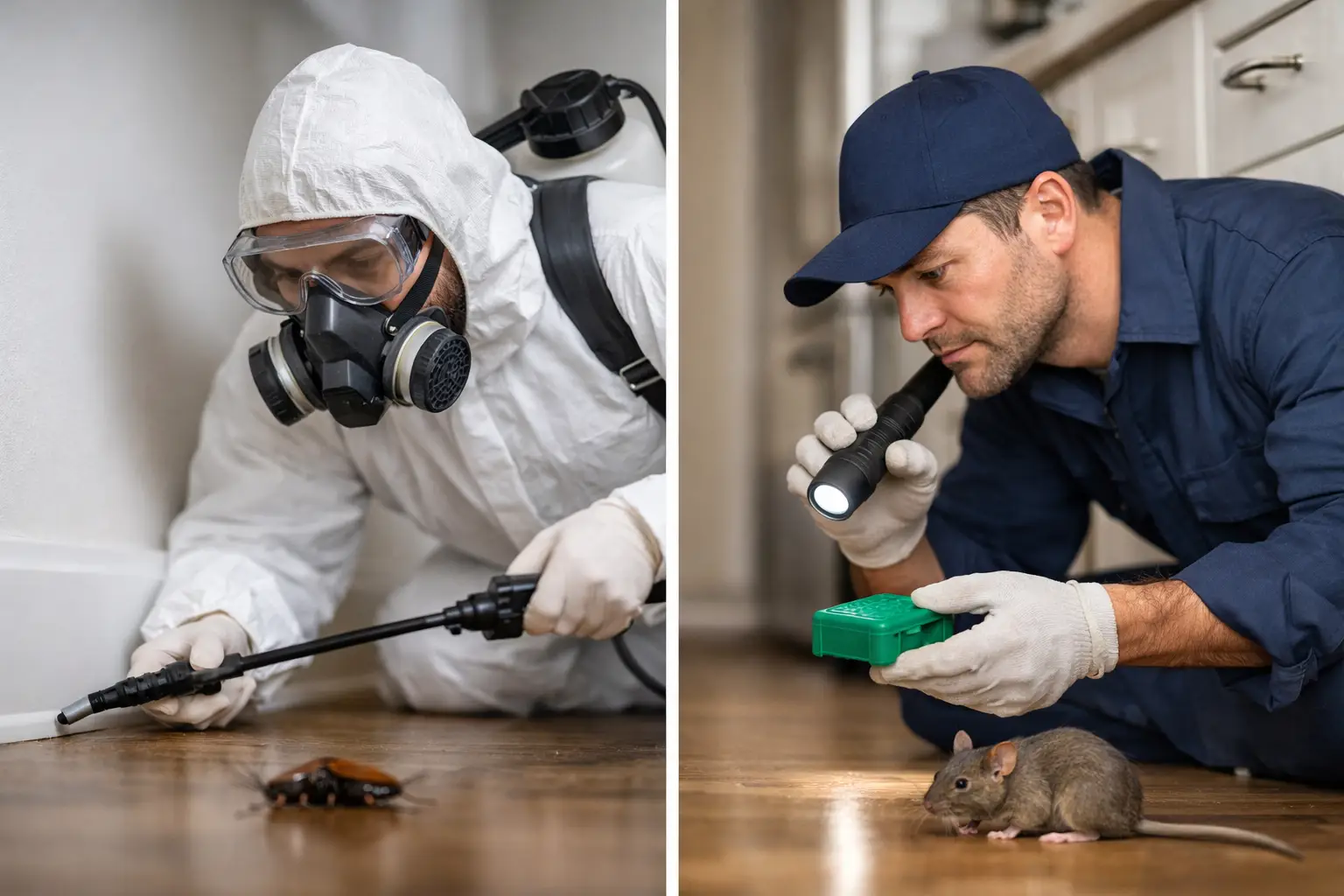
An exterminator is commonly associated with direct, targeted removal of pests. If yellow jackets are nesting near an entry door, rodents are active in a wall, or bed bugs are confirmed in a bedroom, extermination means using proven methods to eliminate that immediate threat. The goal is fast, decisive relief.
Pest control, often called pest management, includes extermination when needed but does not stop there. It begins with inspection and identification, then considers where pests are entering, what is attracting them, and how the property can be protected after treatment. This approach may include exclusion work, monitoring, sanitation recommendations, habitat modification, scheduled service, and carefully selected treatment products.
Neither term automatically tells you how skilled, safe, or thorough a provider will be. A qualified pest management professional can deliver expert extermination as part of a larger prevention plan. What matters is whether the service is designed around the actual conditions on your property rather than a one-size-fits-all spray.
When Immediate Extermination Is the Right Call
Some pest problems should be treated as urgent. Stinging insects near a frequently used doorway can put family members, visitors, and employees at risk. A large rodent presence can contaminate food storage areas and damage wiring. Bed bugs can spread quickly through a household, hotel, senior living community, or multifamily property if treatment is delayed.
In these situations, direct extermination is not an overreaction. It is the appropriate first step. A trained technician identifies the pest, locates active harborages or nesting sites, and selects a method that reaches the problem effectively while accounting for people, pets, and the treated environment.
One-time treatment can also make sense for an isolated issue. For example, a single wasp nest found early in the season may not require a recurring program after it is professionally removed. The same may be true of a localized ant issue that has a clear moisture source and is resolved with treatment and a simple repair.
Still, immediate removal does not always solve the entire problem. Eliminating the rodents visible in a garage will not prevent new activity if gaps around utility lines remain open. Treating adult mosquitoes can provide relief, but standing water and dense vegetation can continue to support mosquito activity nearby. The cause of the infestation determines whether a one-time extermination is enough.
What Ongoing Pest Control Adds
Ongoing pest control is built for prevention, early detection, and consistent protection. Instead of waiting until pests become obvious, scheduled service creates a system for inspecting vulnerable areas and addressing developing conditions before they turn into costly infestations.
For homeowners, that may mean seasonal exterior treatments, interior service when needed, checking for entry points, and tailored recommendations for issues such as moisture, food storage, or yard conditions. This model is especially useful for recurring ants, spiders, mice, cockroaches, mosquitoes, and other pests influenced by changing weather patterns in Ohio.
For commercial facilities, the value is often even more operational. Food handling areas, warehouses, healthcare settings, hospitality properties, offices, and multi-unit housing may need regular inspections, detailed documentation, trend tracking, and corrective-action support. A pest sighting can affect customer confidence, employee safety, inventory, and audit readiness. Ongoing management provides accountability that a single emergency visit cannot.
A strong program should be flexible. A low-pressure winter period may require a different service focus than peak insect season. A facility with increased deliveries, construction activity, or a new tenant may need the plan adjusted. Effective pest management responds to conditions rather than treating every visit exactly the same.
Safety Is More Than the Product Used
Property owners sometimes assume extermination means heavy chemical use and pest control means a gentler alternative. In reality, safety depends on the assessment, application method, product selection, technician training, and follow-through.
Professional treatment begins with identifying the pest correctly. Different pests behave differently, and misidentification can lead to ineffective treatment or unnecessary product use. Carpenter ants and termites, for example, both relate to wood but require very different inspection and treatment strategies. Bats, birds, and many wildlife species may also involve legal or seasonal restrictions that require specialized handling.
Integrated pest management is the practical framework behind responsible service. It prioritizes inspection, exclusion, sanitation, monitoring, and targeted treatment. Products are used when they are warranted, but they are not the only tool. This helps protect children, pets, employees, customers, and sensitive environments while still delivering effective control.
Ask a provider how they will protect occupied areas, what preparation is needed, whether pets must be kept away during service, and what to expect after treatment. Clear answers are a sign of a professional process. So is a technician who explains why a recommendation is being made instead of promising a generic fix without inspecting the property.
Cost: One-Time Relief vs Long-Term Value
A one-time extermination service often has a lower immediate cost than an ongoing plan, particularly when the issue is isolated. That can be the right financial decision when there is no evidence of recurring risk.
However, the lowest upfront price is not always the lowest total cost. Repeated emergency calls for mice, cockroaches, pantry pests, or ants can add up quickly. Property damage, contaminated products, lost business, and tenant complaints can cost far more than routine prevention. Termites are an even clearer example: by the time damage is visible, the colony may have been active for an extended period.
Ongoing service is generally most valuable when a property has a history of pest pressure, structural vulnerabilities, dense landscaping, nearby wooded areas, food-related operations, or multiple occupants. It creates a predictable maintenance plan and gives a professional the opportunity to catch small changes early.
The best provider will not push a recurring program when an isolated treatment is sufficient. They should explain the evidence, outline the risk of recurrence, and let you understand the trade-off between immediate cost and future protection.
How to Choose the Right Service for Your Property
Start with the problem in front of you. If pests are actively biting, stinging, contaminating, damaging, or spreading, request prompt professional inspection and treatment. Describe where activity is occurring, when it began, and whether you have seen droppings, damage, nests, live insects, or unusual odors. Photos can be helpful, but an on-site inspection is often essential.
Then consider the pattern. Has this happened before? Are there gaps, leaks, food sources, cluttered storage areas, landscaping conditions, or neighboring units that could support continued activity? If the answer is yes, pest control with a prevention component is usually the stronger choice.
For commercial operators, also consider documentation and response expectations. A service partner should be able to support inspections, communicate findings clearly, provide records when required, and scale service across locations when needed. A quick treatment without follow-up may resolve a sighting, but it may not satisfy the operational demands of a regulated or customer-facing environment.
Apex Pest Control builds treatment plans around these real-world differences, combining rapid response for urgent infestations with ongoing programs designed to stop repeat activity. Certified professionals can address the immediate pest issue while identifying practical steps to protect the property moving forward.
If you are unsure whether your situation calls for extermination or ongoing pest control, do not wait for the problem to become more visible. A professional inspection can turn uncertainty into a clear plan – and give your home or facility the protection and peace of mind it needs.