



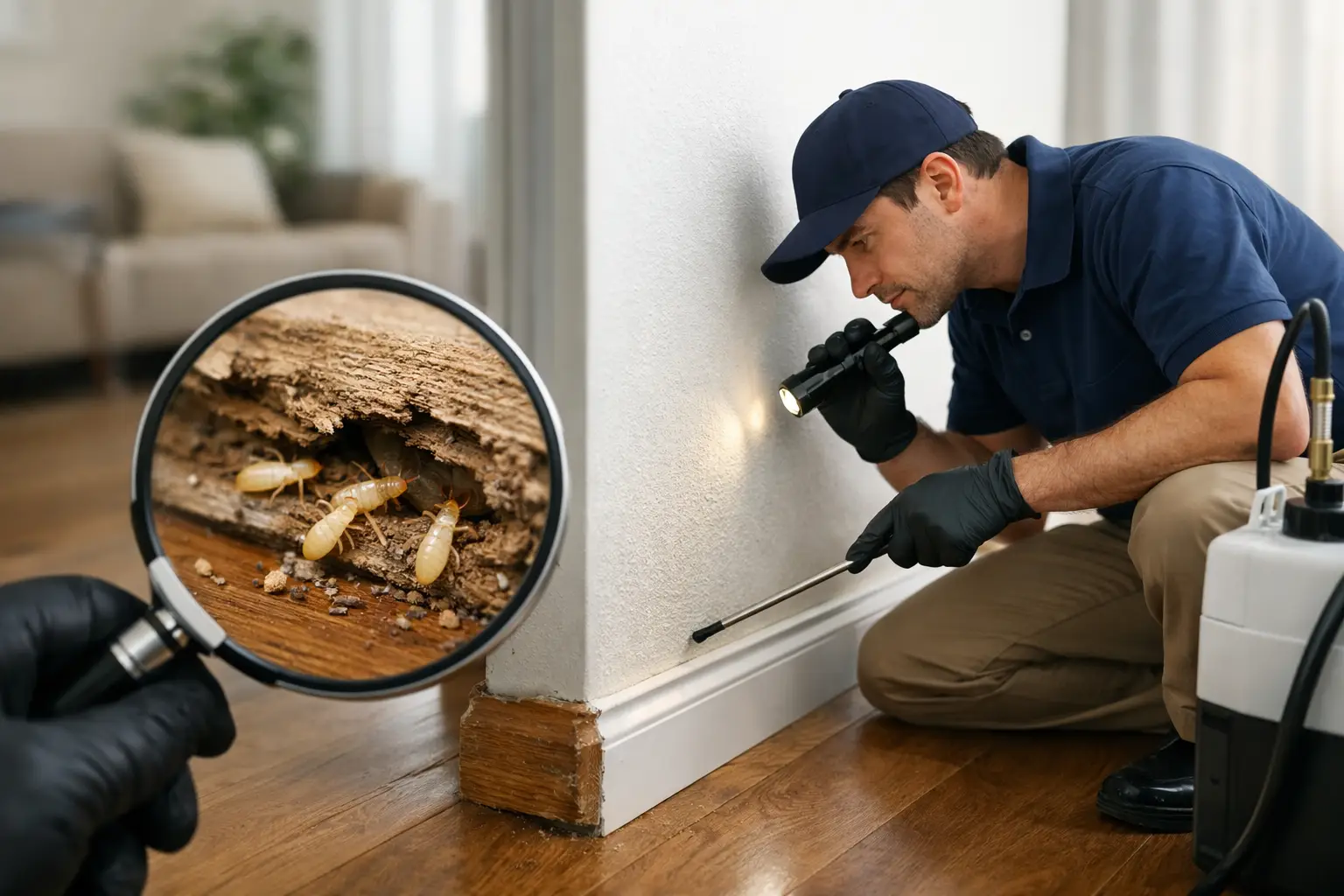
A termite colony can work behind finished walls, beneath flooring, or inside structural wood long before a homeowner sees obvious damage. That is why termite inspection frequency should be based on your property’s risk, not on whether you have noticed insects. For most Ohio homes, a professional inspection every year is a sound preventive standard. Properties with known risk factors, prior termite activity, or wood-to-soil contact may need closer monitoring.
Termites are not a pest to wait out. Subterranean termites, the species of greatest concern in Ohio, travel through soil and concealed pathways to reach wood. By the time a damaged baseboard, soft window frame, or mud tube is visible, the colony may have been feeding for some time. A thorough inspection gives you the chance to find conditions that invite termites and identify activity before repair costs grow.
How Often Should You Schedule a Termite Inspection?
For a typical single-family home with no prior termite history, schedule a professional termite inspection once every 12 months. An annual visit allows a trained technician to inspect accessible areas, watch for changing moisture conditions, and document early signs that are easy for an untrained eye to miss.
That annual schedule is a baseline, not a guarantee that every property has the same needs. A home built near wooded areas, a property with a damp crawl space, or a house with untreated wood touching soil deserves a more cautious approach. In those situations, inspections every six months may be appropriate, especially after a termite issue has been found or treated.
Newer homes need inspections, too. Age alone does not protect a structure. Construction gaps, landscaping changes, moisture around the foundation, and mulch placed too high against siding can create opportunities at any stage of a building’s life.
A Practical Schedule for Ohio Properties
Ohio’s changing seasons can conceal termite-friendly conditions. Spring is especially useful for inspections because reproductive termites may swarm when temperatures rise and moisture increases. A swarm near a home does not automatically mean termites are feeding inside, but it is a clear reason to arrange a professional assessment promptly.
An annual inspection scheduled in late winter or early spring is practical for many homeowners. It allows issues to be addressed before peak spring activity and provides a fresh evaluation after snow, freeze-thaw cycles, and winter moisture have affected the property. If you cannot schedule in spring, a professional inspection at another time of year is still far better than delaying it.
For commercial properties, inspection schedules should reflect the facility, its pest history, and compliance obligations. Multi-family housing, food-related operations, warehouses, health care facilities, and properties with multiple buildings often benefit from routine inspections as part of a documented integrated pest management program. Monthly service visits may include monitoring for conducive conditions, while the full termite inspection schedule should be established according to the site’s specific exposure and operational requirements.
When Termite Inspection Frequency Should Increase
Certain conditions raise the likelihood of termite activity or make an infestation more difficult to spot. If one or more of these applies to your property, discuss a more frequent inspection plan with a pest management professional:
- A previous termite infestation or treatment history
- A crawl space, basement, or foundation area with recurring moisture
- Firewood, lumber, landscape timbers, or wooden debris stored near the structure
- Mulch, soil, or plants covering lower siding, brick weep holes, or foundation walls
- Wood siding, porch posts, deck supports, or framing in direct contact with soil
- Nearby construction, tree removal, flooding, or drainage changes that disturb soil
A recent termite treatment also changes the schedule. Treatment is designed to control the active threat and protect the structure, but ongoing monitoring confirms that protection is performing as intended. The right follow-up interval depends on the treatment method, the extent of prior activity, construction type, and any warranty or service agreement in place.
Do Not Wait for Damage to Schedule an Inspection
Visible termite damage is not the best reason to call. It is often a late-stage sign. Instead, arrange an inspection as soon as you notice discarded wings near windows, doors, or light fixtures; pencil-width mud tubes on foundation walls; blistered or hollow-sounding wood; tight-fitting doors or windows; or paint that appears bubbled without an obvious moisture explanation.
These clues do not always confirm termites. Flying ants can be mistaken for termite swarmers, water damage can resemble feeding damage, and wood rot may have another cause. That is precisely why professional identification matters. The wrong diagnosis can lead to unnecessary treatment, while an overlooked termite problem can allow expensive damage to continue.
A qualified inspection focuses on more than insects. The technician evaluates accessible structural areas and looks for moisture sources, drainage concerns, wood-to-soil contact, foundation entry points, and other conditions that support termite activity. This preventive work is valuable even when no termites are found because it gives property owners specific steps to reduce risk.
What a Professional Termite Inspection Includes
A proper inspection is a systematic property assessment, not a quick look around the exterior. The technician typically examines the foundation, lower exterior walls, utility entry points, garages, porches, decks, crawl spaces, basements, and accessible interior areas where termite damage is most likely to appear.
Access matters. Stored belongings, finished basement walls, insulation, landscaping, and locked utility spaces can limit what anyone can see. A reputable technician will explain those limitations clearly rather than claiming that hidden areas were fully inspected. If evidence points to a concealed issue, additional evaluation or targeted access may be recommended.
Following the inspection, you should receive clear findings: whether there is active evidence, previous damage, a condition that could attract termites, or no visible evidence in the accessible areas. If treatment is needed, the recommendation should fit the property rather than rely on a one-size-fits-all solution. The best plan balances effective control with the safety of people, pets, property, and the surrounding environment.
Prevention Between Inspections Still Matters
Professional inspections are your first line of detection, but everyday maintenance can lower the chance that termites find favorable conditions. Keep gutters and downspouts moving water away from the foundation. Correct plumbing leaks, control crawl-space moisture, and avoid piling mulch against siding or foundation vents.
Keep firewood and scrap lumber off the ground and away from the home. Trim shrubs and plants so technicians can view the foundation and so moisture is not trapped against the structure. When completing repairs or renovations, avoid leaving untreated wood in contact with soil.
These steps do not replace professional inspection or treatment. Termites can enter through openings too small to notice and travel behind materials that appear sound from the outside. Prevention reduces opportunities, while inspection verifies what is actually happening.
Buying, Selling, or Managing a Property
A real estate transaction is a sensible time to schedule a termite inspection, even if the property has been inspected recently. Ownership changes often reveal deferred maintenance, inaccessible areas, or documentation gaps. A current inspection gives buyers clearer information before closing and helps sellers address concerns before they disrupt a transaction.
Property managers should treat termite monitoring as an asset-protection decision. One untreated infestation can affect multiple units, create disruption for residents, and lead to repairs that are far more costly than a preventive program. Consistent records, scheduled inspections, and fast response to tenant reports create better control across the portfolio.
For businesses with multiple locations, a standardized inspection process is especially valuable. It supports accountability, makes trends easier to identify, and helps facilities teams act before termite conditions become structural or operational problems.
Choose a Schedule Built Around Your Property
The right termite inspection frequency is usually annual, with more frequent checks for higher-risk homes and facilities. If you have seen swarmers, mud tubes, unexplained wood damage, or moisture near the foundation, do not wait for the next annual appointment. Prompt inspection protects the building and gives you a clear answer.
Apex Pest Control can assess your property, identify termite risks, and recommend a focused plan for prevention, monitoring, or expert extermination. Peace of mind starts with knowing what is happening where termites prefer to stay hidden.