



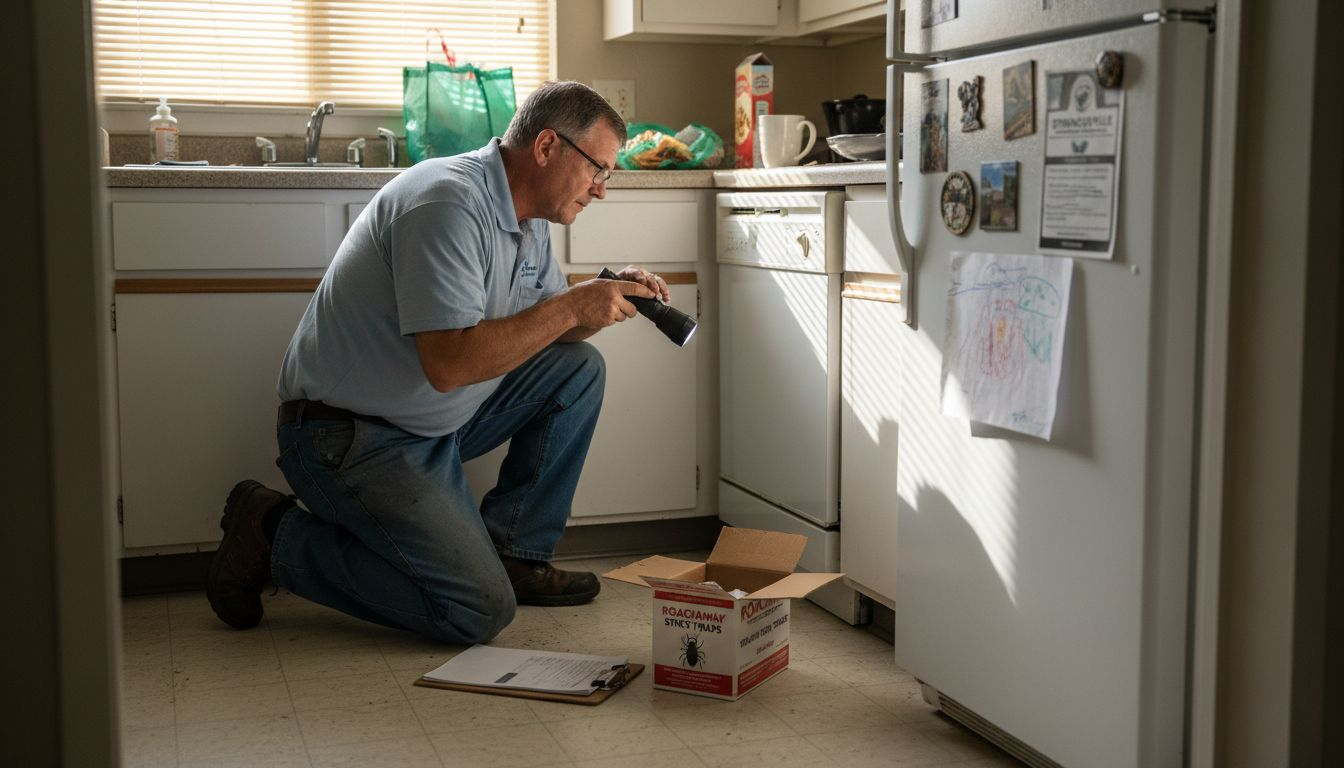
Living in a Strongsville apartment means sharing more than hallways and laundry rooms. Shared walls, ventilation systems, and common spaces create highways for pests to travel between units. When one apartment has cockroaches or mice, the entire building faces risk. Effective pest control requires coordination, preparation, and the right strategies to protect your home and maintain a healthy living environment.
Table of Contents
- Prerequisites: What You Need Before Starting Apartment Pest Control
- Step-by-Step Pest Control Process For Apartment Residents
- Common Mistakes And How To Avoid Them In Apartment Pest Control
- Expected Results, Timelines, And Costs For Apartment Pest Control
- Safety Considerations And When To Call Professionals
- Summary And Actionable Next Steps For Pest Control In Apartments
- Need Expert Pest Control In Strongsville? Contact Apex Pest Control
Key takeaways
| Point | Details |
|---|---|
| Integrated pest management works best | Combining prevention, treatment, and tenant coordination achieves lasting results |
| Preparation is essential | Knowledge, communication with management and neighbors, and cleaning set up success |
| Follow a step-by-step process | Inspection, sanitation, exclusion, treatment, and monitoring eliminate pests systematically |
| Avoid common mistakes | Poor sanitation, improper pesticide use, and isolated treatment cause failures |
| Professional services deliver higher success | Licensed technicians typically achieve better outcomes than DIY methods |
Prerequisites: what you need before starting apartment pest control
Before tackling pests, you need proper preparation. Rushing into treatment without understanding your pest problem wastes time and money.
Start by identifying which pests you’re facing. Cockroaches, ants, rodents, and bed bugs each require different approaches. Look for droppings, shed skins, or live insects to determine what you’re dealing with. Proper preparation reduces pest control failures and makes treatments more effective.
Next, coordinate with your apartment management. Notify them immediately when you spot pests. Building-wide treatments work better than single-unit efforts. Talk to neighbors too. If the unit next door harbors roaches, your treatment alone won’t solve the problem.
Clean thoroughly before any treatment begins. Remove clutter, vacuum carpets, and wipe down surfaces. Pests hide in mess and feed on crumbs. A clean apartment gives pesticides better access to target areas and removes food sources that attract new invaders.
Gather supplies or arrange professional services. For DIY approaches, you’ll need:
- Sticky traps for monitoring
- Caulk and steel wool for sealing entry points
- EPA-approved pesticides labeled for indoor use
- Cleaning supplies and vacuum bags
- Protective gloves and masks
Pro Tip: Place sticky traps in corners, under sinks, and behind appliances before treatment. Check them weekly to track pest activity and identify hot spots needing extra attention.
Use monitoring tools early. Sticky traps detect pest presence before populations explode. Early detection cuts infestation duration in half and prevents costly damage.
Review your apartment lease for pest control responsibilities. Some buildings provide regular treatments, while others require tenants to handle issues. Knowing who pays for what prevents disputes later.
| Preparation Step | Purpose | Timeline |
|---|---|---|
| Pest identification | Target correct species | 1-2 days |
| Management coordination | Schedule building treatments | 3-7 days |
| Deep cleaning | Remove attractants | 2-3 days |
| Supply gathering | Ensure materials ready | 1-2 days |
| Monitoring setup | Establish baseline | Ongoing |
Check your monthly pest prevention guide for seasonal preparation tips. Understanding pest infestation basics in Ohio helps you recognize warning signs early.
The Ohio State University Extension pest control guide offers detailed identification photos and treatment protocols specific to apartment buildings. Use it as your reference for proper preparation steps.
Step-by-step pest control process for apartment residents
Effective pest control follows a logical sequence. Skip steps and you’ll fight the same pests repeatedly.
Step 1: Inspect and monitor your apartment thoroughly. Check under sinks, behind appliances, inside cabinets, and along baseboards. Look for droppings, grease marks, or gnaw marks. Document what you find with photos. This evidence helps management understand the severity and supports your case for building-wide treatment.
Step 2: Improve sanitation immediately. Wipe counters after cooking. Store food in sealed containers. Take trash out daily. Fix leaky faucets. Pests need food and water. Remove these and they look elsewhere.
Step 3: Seal entry points to block pest access. Use caulk for cracks around pipes and baseboards. Stuff steel wool in gaps under doors. Install door sweeps. Add screens to vents. Even small openings let pests in.
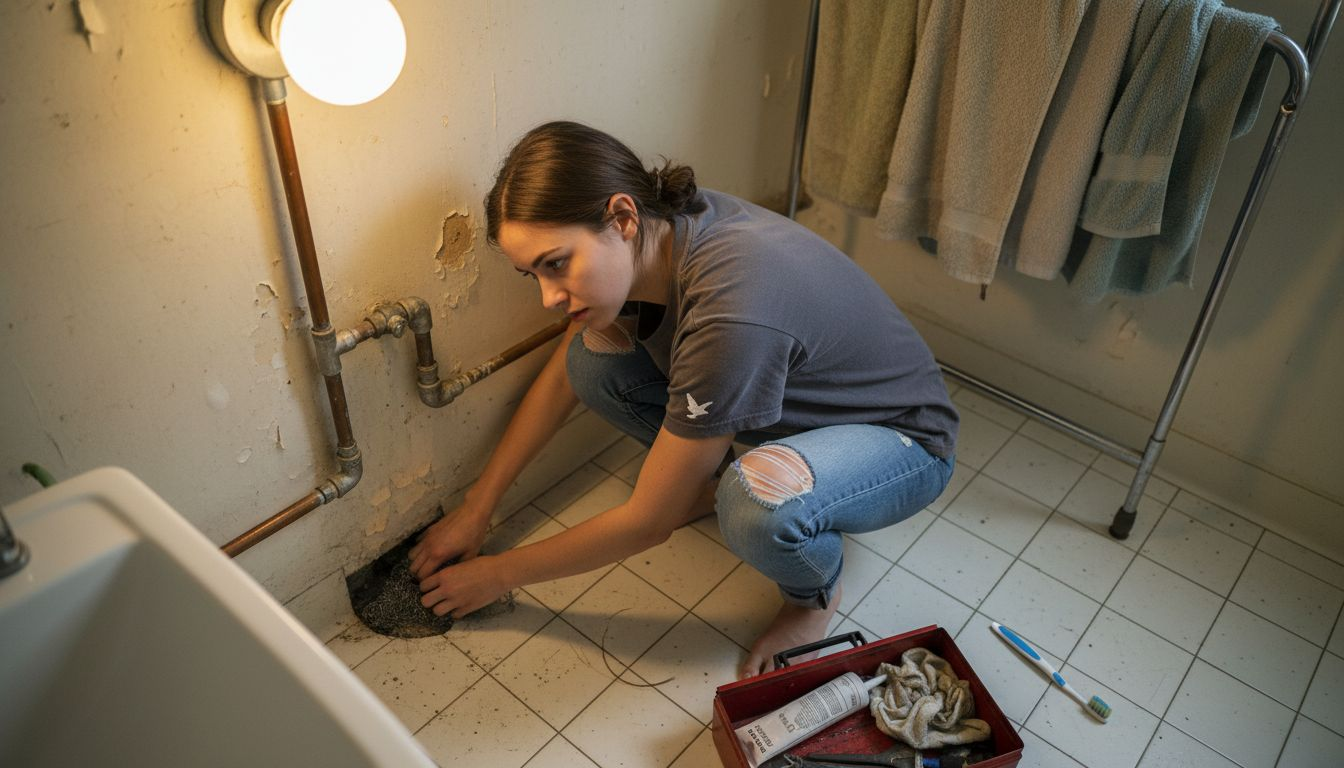
Step 4: Apply targeted treatments carefully. For roaches, use gel baits in cracks and crevices. For ants, place bait stations near trails. For rodents, set snap traps along walls. Always read labels and follow instructions exactly. Misuse causes health risks without killing pests.
Pro Tip: Never spray pesticides where you’ve placed baits. Sprays repel pests from eating bait, reducing effectiveness. Choose one method per pest and stick with it.
Step 5: Coordinate treatment timing with neighbors and management. Synchronized and integrated approaches reduce reinfestation by up to 60%. When everyone treats simultaneously, pests have nowhere to flee. This breaks the cycle of pests moving from unit to unit.
Step 6: Perform follow-up inspections weekly. Check traps, replace baits, and look for new activity. Most treatments need 2-4 weeks to eliminate established populations. Patience and persistence win.
| Treatment Type | Application Method | Effectiveness Timeline |
|---|---|---|
| Cockroach gel bait | Cracks, crevices, behind appliances | 1-2 weeks for reduction |
| Ant bait stations | Near trails, entry points | 3-7 days for colony impact |
| Rodent snap traps | Along walls, in travel paths | Immediate per catch |
| Bed bug treatment | Professional heat or chemical | 2-3 sessions over 4-6 weeks |
Implement these pest control tips consistently for best results. For specific ant problems, review these ant removal tips Ohio strategies.
The Ohio State University pest control research confirms that systematic approaches outperform random treatments by significant margins.
Common mistakes and how to avoid them in apartment pest control
Even well-intentioned residents make errors that sabotage pest control efforts. Recognizing these pitfalls saves time and frustration.
Neglecting sanitation tops the list. You can spray all day, but if crumbs cover counters and trash overflows, pests return immediately. Clean daily, not just before treatments.
Using pesticides incorrectly creates serious problems. Improper pesticide use contributes to 40% of pest control failures and exposes families to toxic chemicals. Always read labels, wear protective gear, and apply only recommended amounts in designated areas.
Treating your unit alone while neighbors ignore infestations wastes effort. Pests simply move next door temporarily, then return when treatments wear off. Push for building-wide coordination through management.
Ignoring early warning signs lets small problems become major infestations. One cockroach signals dozens more hiding nearby. Act immediately when you spot the first pest.
Relying solely on DIY products when infestations persist demonstrates false economy. Over-the-counter sprays rarely eliminate established populations. Professional treatments cost more upfront but solve problems faster and more completely.
Other common mistakes include:
- Blocking access to treatment areas with clutter
- Using outdoor pesticides indoors
- Mixing different pesticide products
- Failing to dispose of dead pests promptly
- Not following up after initial treatment
- Assuming one treatment solves everything
Pro Tip: Keep a pest control journal. Note dates of treatments, products used, and results observed. This documentation helps identify what works and provides valuable information if you need professional help later.
Review additional pest control advice to avoid these pitfalls. The Ohio State University pest control findings detail why these mistakes matter and how to prevent them.
Expected results, timelines, and costs for apartment pest control
Understanding realistic outcomes helps you plan effectively and recognize when treatments work.
Rodent control success rates up to 90% within three months when using proper trapping and exclusion methods. Mice reproduce rapidly, so expect initial increases in trap catches before populations decline. Complete elimination typically takes 6-12 weeks with consistent effort.
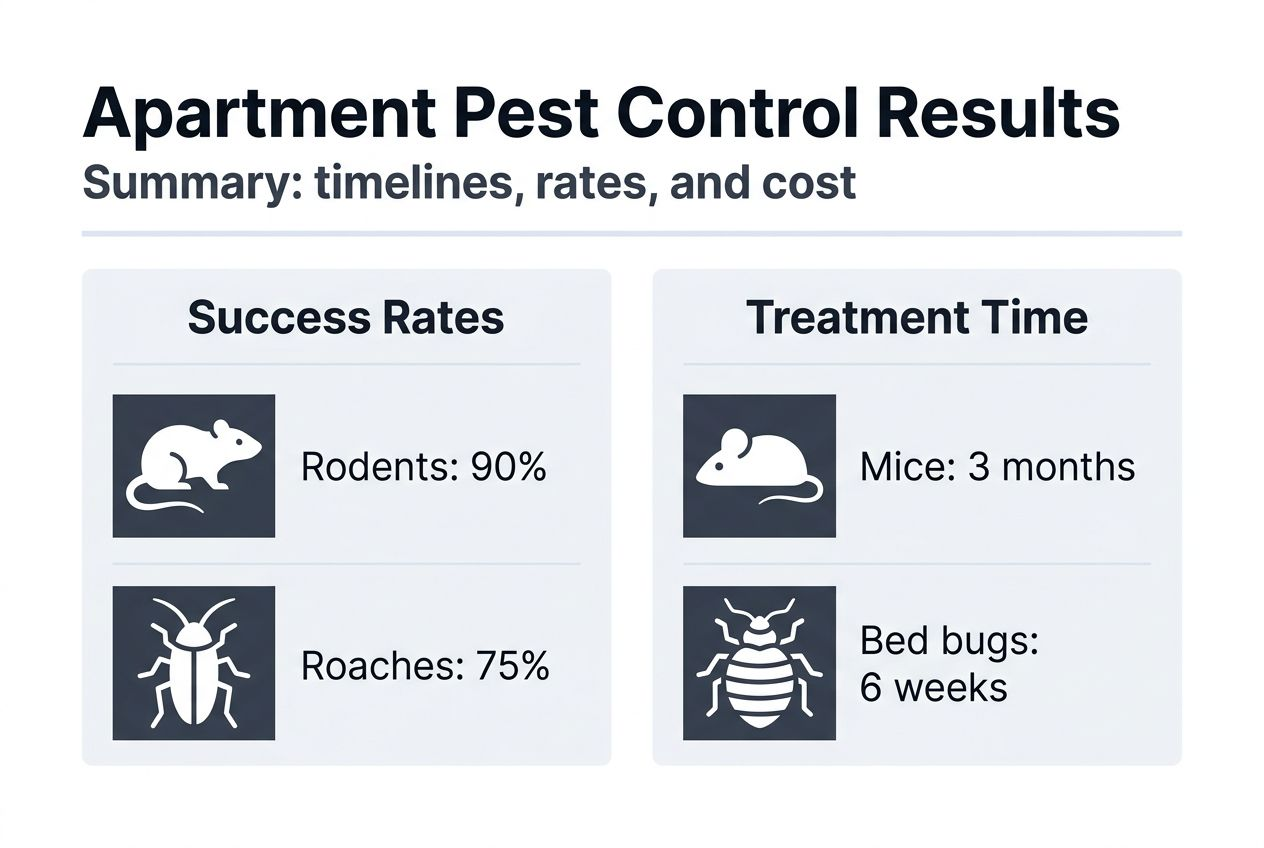
Bed bugs require professional intervention. Bed bug treatments often require several sessions over weeks because eggs survive initial treatments. Heat treatments work faster than chemical methods but cost more. Budget $200-$400 per session, with 2-3 sessions needed for severe infestations.
Cockroach elimination varies by species and infestation size. German cockroaches, the most common apartment pest, need 4-6 weeks of consistent baiting to reduce populations significantly. American cockroaches respond faster, often within 2-3 weeks.
| Pest Type | Treatment Duration | Success Rate | Typical Cost Range |
|---|---|---|---|
| Cockroaches | 4-6 weeks | 75-85% | $150-$300 per unit |
| Ants | 1-3 weeks | 80-90% | $100-$200 per unit |
| Rodents | 6-12 weeks | 85-90% | $150-$400 per unit |
| Bed bugs | 4-8 weeks | 70-80% | $300-$1,200 total |
Costs vary based on infestation severity, building size, and treatment method. Professional services cost more initially but deliver better long-term value than repeated DIY attempts.
Early detection dramatically improves outcomes and reduces costs. Catching infestations in the first week cuts treatment time and expense by roughly half compared to waiting until pests spread throughout the building.
Expect initial increases in pest sightings after treatments begin. Pesticides flush pests from hiding spots, making them more visible temporarily. This doesn’t mean treatments failed. Continue monitoring and maintain sanitation.
Key outcome indicators:
- Reduced pest sightings week over week
- Fewer droppings or grease marks
- Empty traps or declining trap catches
- No new damage to food packages
- Absence of pest odors
Consult this bed bug control guide Ohio for detailed expectations specific to bed bug treatments. The Ohio State University infestation control data provides research-backed timelines for various pest species.
Safety considerations and when to call professionals
Pest control involves chemicals and potential health risks. Protect yourself and know when to seek expert help.
Improper indoor pesticide use poses serious health risks and accounts for many treatment failures. Poor ventilation traps toxic fumes. Overuse contaminates surfaces. Mixing products creates dangerous chemical reactions.
Always wear protective gear when handling pesticides. Gloves prevent skin absorption. Masks filter harmful vapors. Long sleeves and pants minimize exposure. Never eat, drink, or smoke while applying treatments.
Ventilate treated areas thoroughly. Open windows. Run fans. Leave for several hours if using foggers or sprays. Pets and children face higher risks from pesticide exposure due to their size and behavior.
“Safety should never take a backseat to convenience. When in doubt about pesticide application or severity of infestation, professional pest control services offer safer, more reliable solutions that protect both your family and your home.”
Call professionals for these situations:
- Infestations persist after 4-6 weeks of DIY treatment
- You face dangerous pests like brown recluse spiders or venomous species
- Structural damage from termites or carpenter ants appears
- Health conditions like asthma make pesticide exposure risky
- Pregnancy, young children, or pets require extra safety precautions
- Large-scale infestations affecting multiple units
Professional services offer advantages beyond expertise. Licensed technicians use commercial-grade products unavailable to consumers. They understand pest biology and behavior. They provide warranties and follow-up services.
Eco-friendly options exist for families concerned about chemical exposure. Integrated pest management emphasizes non-chemical methods first. Heat treatments eliminate bed bugs without pesticides. Biological controls use natural predators. Exclusion and sanitation prevent pest entry without toxins.
Pro Tip: Before hiring any pest control company, verify their Ohio Department of Agriculture license, read recent reviews, and ask about their safety protocols for apartments with children and pets.
Explore eco-friendly pest control options that prioritize family safety. The Ohio State University safety guidelines detail proper pesticide handling and emergency procedures.
Summary and actionable next steps for pest control in apartments
Effective apartment pest control combines knowledge, coordination, and consistent action. Success requires more than spraying pesticides and hoping for the best.
Adopt integrated pest management principles. Prevention through sanitation and exclusion works better than reactive treatments. Combine multiple tactics for comprehensive control. Monitor regularly to catch problems early.
Coordinate with neighbors and apartment management for synchronized treatments. Isolated efforts fail in connected buildings. Building-wide approaches eliminate pest populations instead of shifting them between units.
Maintain cleanliness and seal entry points regularly. Monthly inspections catch issues before they escalate. Ongoing prevention costs less than repeated treatments.
Act immediately on infestation signs. Early intervention prevents population explosions. One pest today becomes hundreds in weeks without action.
Key action steps:
- Schedule monthly inspections of high-risk areas
- Report pest sightings to management within 24 hours
- Store food in sealed containers permanently
- Fix water leaks and moisture issues immediately
- Communicate with neighbors about pest concerns
- Keep documentation of all pest control efforts
Seek professionals for severe or persistent cases. Expert intervention solves stubborn problems faster and safer than extended DIY attempts.
Review your monthly pest maintenance guide quarterly to stay ahead of seasonal pest pressures.
Need expert pest control in Strongsville? Contact Apex Pest Control
When DIY methods fall short or you want guaranteed results, professional pest control delivers peace of mind. Apex Pest Control serves Strongsville apartments with eco-friendly, family-safe treatments proven effective against all common pests.
Our licensed technicians understand apartment building dynamics. We coordinate with management for comprehensive treatments that stop reinfestation cycles. With over 200 five-star reviews and decades of Northeast Ohio experience, we solve pest problems efficiently.
Compare different residential pest solutions to find the right approach for your situation. Find trusted local exterminators 2026 serving your Strongsville neighborhood. Contact Apex Pest Control today for a free consultation and customized treatment plan.
Frequently asked questions
What are the most common pests in Strongsville apartments?
Cockroaches, ants, mice, and bed bugs dominate pest complaints in Strongsville apartment buildings. These species thrive in multi-unit dwellings due to shared walls providing easy travel routes and consistent food sources. Moisture from plumbing and heating systems attracts additional pests. Learn more about pest infestation basics specific to Ohio apartments.
How can I safely do pest control in my apartment without harming my family or pets?
Always follow product label instructions precisely and ventilate treated areas for several hours. Choose eco-friendly pest control methods specifically labeled safe for homes with children and pets. Place baits and traps in locations inaccessible to kids and animals. For persistent problems, consider professional services offering eco-friendly pest control options that prioritize family safety.
Why is coordinating pest control with my neighbors important in apartment buildings?
Pests migrate between adjoining units through shared walls, pipes, and ventilation, causing rapid reinfestation if only one unit receives treatment. Synchronized pest control treatments reduce reinfestation risk by 60% compared to isolated efforts. Building-wide coordination eliminates pest populations rather than temporarily displacing them. Property managers can facilitate this through pest control solutions for management.
When should I call professional pest control instead of using DIY methods?
Call professionals when infestations persist beyond 4-6 weeks of consistent DIY treatment or involve dangerous pests like rodents carrying disease. Professional treatments achieve success rates above 85%, especially for severe or stubborn infestations. Licensed technicians use commercial-grade products and proven techniques unavailable to consumers, ensuring safer, more thorough elimination. Compare professional pest solutions to find the right service level for your needs.