



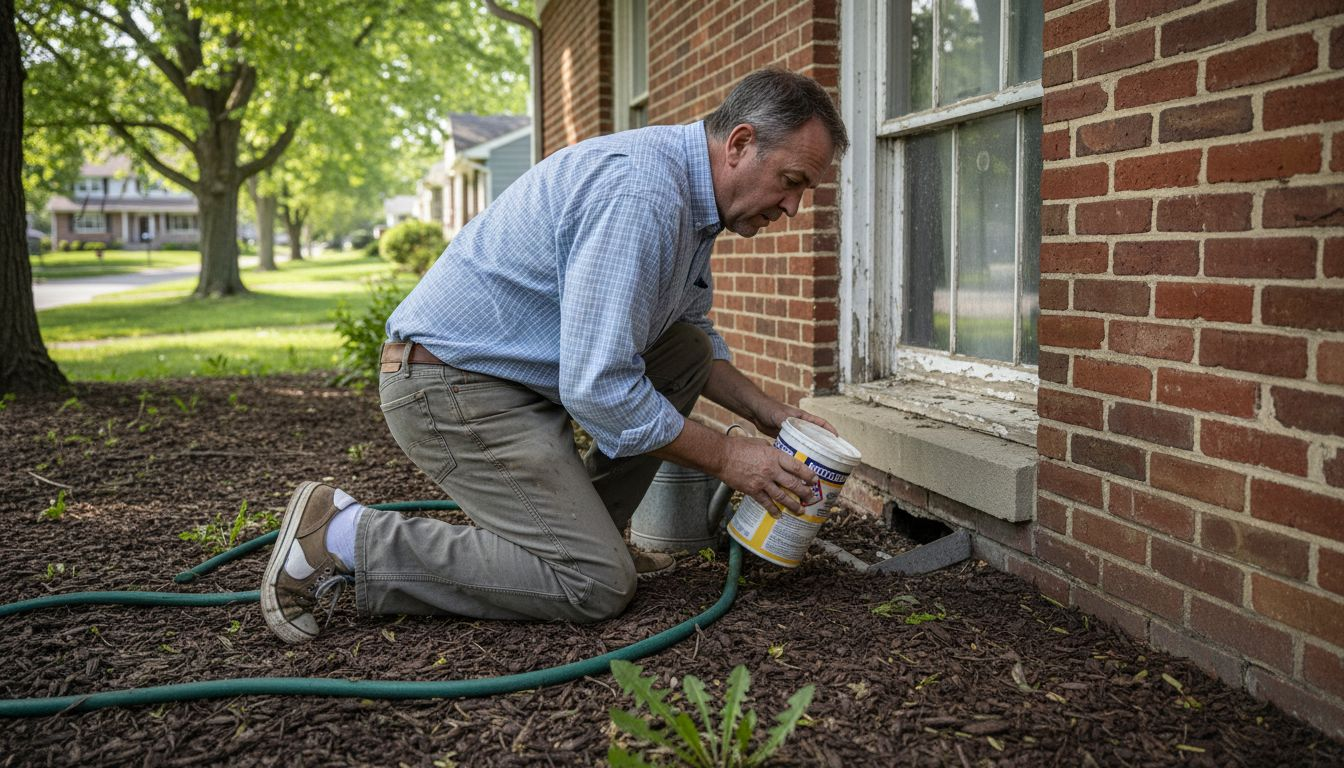
Many Northeast Ohio homeowners struggle with persistent pest problems despite their best efforts, often making avoidable mistakes that reduce effectiveness and harm the environment. Improper pesticide use, unsealed entry points, and neglecting natural solutions create cycles of infestation that frustrate families and waste money. This guide reveals the most common pest control errors and provides expert-backed, eco-friendly strategies specifically designed for Northeast Ohio conditions. You’ll discover practical methods to protect your home sustainably while avoiding the pitfalls that undermine typical pest management approaches.
Table of Contents
- Top 5 Common Mistakes Homeowners Make In Pest Control
- Using Eco-Friendly Biological Controls To Avoid Pesticide Mistakes
- Comparing Pest Control Methods: Chemicals Vs. Biological Vs. Prevention
- Expert Tips To Maximize Pest Control Effectiveness In Northeast Ohio
- Experience Expert, Eco-Friendly Pest Control With Apex Pest Control
- FAQ
Key takeaways
| Point | Details |
|---|---|
| Pesticide misuse | Incorrect application creates resistance and environmental contamination |
| Entry point neglect | Unsealed cracks allow 80% of pest invasions into homes |
| Biological controls | Natural predators like lacewing larvae effectively manage pests without chemicals |
| Prevention priority | Regular cleaning and sealing provide the most cost-effective long-term protection |
| Timing matters | Proper pest removal timing significantly improves control outcomes |
Top 5 common mistakes homeowners make in pest control
Homeowners across Northeast Ohio repeatedly make five critical errors that sabotage their pest control efforts and create ongoing problems.
-
Overreliance on chemical pesticides: Many residents apply pesticides as their first response to any pest sighting, creating a dangerous cycle. Improper pesticide application affects up to 40% of homeowners who misread labels, apply excessive amounts, or spray during incorrect weather conditions. This approach kills beneficial insects alongside pests, disrupts natural predator-prey relationships, and accelerates pest resistance to common treatments. Chemical overuse also contaminates soil and water sources, posing risks to children and pets who contact treated surfaces.
-
Failing to seal entry points: The most overlooked yet effective strategy involves blocking pest access entirely. Ineffective sealing reduces prevention by up to 80% when homeowners ignore foundation cracks, gaps around pipes, damaged window screens, and door sweeps. Spiders, centipedes, mice, and ants exploit these openings regardless of how many pesticides you apply inside. A single unsealed utility penetration can welcome hundreds of pests monthly.
-
Neglecting regular cleaning: Clutter and food residue create ideal pest habitats that no treatment can overcome. Crumbs under appliances, unsealed pantry items, cardboard storage boxes, and standing water in basements attract cockroaches, ants, and rodents continuously. These conditions provide both food and shelter, making your home irresistible regardless of other control measures.
-
Ignoring proper timing: Pest control effectiveness depends heavily on seasonal cycles and life stages. Applying grub controls in late summer when larvae are large and deep proves far less effective than early summer applications. Similarly, treating for overwintering pests after they’ve already entered your walls wastes effort and money.
-
Dismissing ecological approaches: Many homeowners assume chemical solutions are the only effective option, unaware that keeping your home safe from pests often requires integrated strategies. Natural predators, habitat modification, and exclusion techniques frequently outperform pesticides for long-term control. This knowledge gap leads to repeated chemical applications that fail to address root causes while harming beneficial organisms that would naturally manage pest populations.
Pro Tip: Before reaching for pesticides, identify the specific pest and research its biology. Understanding what attracts them and their life cycle helps you target vulnerabilities rather than symptoms.
These mistakes compound over time, creating pest problems that seem impossible to solve. Fortunately, DIY pest prevention tips Ohio homeowners can implement offer better results with less environmental impact.
Using eco-friendly biological controls to avoid pesticide mistakes
Biological controls harness nature’s own pest management systems, offering Northeast Ohio homeowners effective alternatives that avoid chemical resistance and environmental harm.
Lacewing larvae provide exceptional aphid control in gardens and ornamental plantings. These voracious predators consume hundreds of aphids during their larval stage, effectively controlling aphid populations without harming plants or beneficial pollinators. Unlike ladybugs that often fly away shortly after release, lacewing larvae remain in your garden until they pupate, providing sustained protection. Purchase them as eggs or newly hatched larvae from garden centers, then distribute them near infested plants during evening hours when temperatures cool.
Beneficial nematodes target soil-dwelling pests like Japanese beetle grubs, which devastate Northeast Ohio lawns each year. These microscopic roundworms control Japanese beetle grubs when applied correctly, but they require specific handling. Nematodes arrive alive and must stay refrigerated until application. Mix them with water according to package directions, then apply to moist soil during early morning or evening to prevent UV damage. Target application timing to coincide with young grub stages in late spring or early fall for maximum effectiveness.
Natural predator encouragement reduces pest pressure without purchasing anything. Avoid broad-spectrum insecticides that kill beneficial insects alongside pests. Plant native flowers that attract parasitic wasps, hoverflies, and predatory beetles. Leave small brush piles or rock gardens that shelter ground beetles and spiders, which consume enormous quantities of pest insects.

Pro Tip: Handpicking Japanese beetles works surprisingly well. Collect them in soapy water during early morning when they’re sluggish, or focus efforts in evening hours for nearly equal results with less time investment.
Combining biological controls with smart garden management creates resilient ecosystems that self-regulate pest populations. This approach aligns with pest control tips for Ohio families seeking safer alternatives to repeated chemical applications.
- Release beneficial insects near pest hotspots rather than broadcasting them across entire properties
- Water gardens before applying nematodes to improve soil penetration and nematode survival
- Monitor pest populations weekly to catch problems early when biological controls work best
- Accept minor pest damage as evidence your ecosystem supports diverse insect populations
Comparing pest control methods: chemicals vs. biological vs. prevention
Understanding the trade-offs between pest control approaches helps you choose strategies that match your situation, budget, and environmental values.
| Method | Pros | Cons | Best For |
|---|---|---|---|
| Chemical pesticides | Fast results, kills most pests quickly, widely available | Resistance development, harms beneficial insects, environmental contamination, repeated applications needed | Severe infestations requiring immediate knockdown |
| Biological controls | Eco-friendly, targets specific pests, sustainable long-term, safe for children and pets | Slower results, requires correct timing and handling, weather dependent, higher initial learning curve | Garden pests, preventive lawn care, environmentally sensitive areas |
| Prevention strategies | Most cost-effective long-term, addresses root causes, no chemical exposure, permanent solutions | Requires initial effort, ongoing maintenance, doesn’t eliminate existing infestations | All situations as foundation strategy |
| Integrated approach | Combines best aspects of each method, adapts to specific pest challenges, reduces chemical dependence | Requires more knowledge, needs monitoring and adjustment | Comprehensive home protection |
Prevention delivers the highest return on investment for Northeast Ohio homeowners. Proper sealing reduces entry by up to 80%, stopping most infestations before they establish. This foundational approach works regardless of pest species and requires no ongoing chemical purchases.
Strategic method selection depends on your immediate situation and long-term goals:
- Use prevention as your primary defense through exclusion and sanitation
- Add biological controls for specific garden or lawn pests during appropriate seasons
- Reserve chemical treatments for severe infestations that threaten health or property
- Combine methods intelligently rather than relying on single solutions
Pro Tip: Start every pest problem by asking what attracts them and how they enter. Addressing these questions through prevention often eliminates the need for other interventions entirely.
Implementing pest exclusion strategies creates lasting protection that chemical treatments alone cannot achieve. Seal foundation cracks with hydraulic cement, install door sweeps on all exterior doors, repair window screens, and caulk around utility penetrations. These one-time investments prevent countless pest entries for years.
Expert tips to maximize pest control effectiveness in Northeast Ohio
Professional pest managers rely on specific techniques that dramatically improve outcomes while reducing effort and environmental impact.
Optimize timing for maximum efficiency: Removing Japanese beetles in evening produces nearly identical results to multiple daily collections. This research-backed approach saves time while maintaining effectiveness. Similarly, apply preventive treatments before pest season peaks rather than reacting after infestations establish.
Handle biological controls properly: Beneficial nematodes die rapidly if exposed to heat, UV light, or chlorinated water. Store packages in your refrigerator immediately upon arrival, mix with dechlorinated water, and apply during cool periods. Follow package instructions precisely regarding water temperature and application rates.
Conduct regular property inspections: Walk your home’s perimeter monthly, checking for new cracks, gaps, or damage that creates pest entry points. Inspect basements and attics quarterly for signs of rodent activity, water damage, or stored materials that attract pests. Early detection prevents minor issues from becoming major infestations.
Maintain consistent cleanliness standards: Vacuum weekly to remove food particles and pest eggs. Store all pantry items in sealed containers. Fix leaky pipes promptly to eliminate water sources. Take garbage out daily and keep outdoor bins away from your home’s foundation.
Pro Tip: Take photos during inspections to track changes over time. Comparing images helps you spot gradual deterioration that’s easy to miss during routine checks.
Combine prevention with targeted interventions: Use your seasonal pest control checklist to stay ahead of Northeast Ohio’s predictable pest cycles. Spring demands focus on ant and termite prevention, summer requires mosquito and wasp management, fall necessitates rodent exclusion before cold weather drives them indoors, and winter provides ideal conditions for indoor spider control.
- Trim vegetation away from your home’s exterior to reduce pest highways
- Replace outdoor lighting with yellow bulbs that attract fewer insects
- Grade soil away from foundations to prevent moisture accumulation
- Clean gutters seasonally to eliminate standing water breeding sites
- Store firewood at least 20 feet from your home’s structure
Experience expert, eco-friendly pest control with Apex Pest Control
While DIY strategies form the foundation of effective pest management, professional expertise ensures comprehensive protection for your Northeast Ohio home. Apex Pest Control combines decades of local experience with eco-friendly solutions that address the specific pest challenges facing Bedford, Solon, Avon, and surrounding communities. Our licensed technicians understand Northeast Ohio’s unique pest pressures and seasonal patterns, delivering targeted treatments that work with nature rather than against it. We help homeowners avoid common mistakes through education and proven strategies that protect families without compromising environmental safety. Compare our approach through our top residential pest solutions comparison to see how professional service complements your prevention efforts. Whether you need immediate help with an active infestation or want to establish year-round protection, our top local exterminators 2026 team provides reliable solutions backed by over 200 five-star reviews. Contact Pest Control Apex today to schedule your consultation and discover how expert support creates lasting pest-free comfort.
FAQ
What are the biggest mistakes to avoid in pest control?
The three most damaging mistakes involve overusing chemical pesticides, failing to seal entry points, and maintaining conditions that attract pests. Chemical overuse creates resistance while harming beneficial insects that naturally control pest populations. Unsealed cracks and gaps allow continuous pest entry regardless of treatment efforts. Clutter, food residue, and moisture provide the resources pests need to thrive, making your home an ideal habitat.
How can I safely use biological controls in my garden?
Store beneficial nematodes in your refrigerator immediately upon arrival and apply them during cool morning or evening hours when UV exposure won’t kill them. Mix nematodes with non-chlorinated water at the correct temperature specified on the package, then apply to moist soil targeting areas with grub activity. For lacewing larvae, distribute them near aphid-infested plants during evening hours, allowing them to establish before daytime heat and predators become active.
Why is sealing entry points important for pest prevention?
Small openings around foundations, pipes, windows, and doors serve as highways for pests entering your home. A gap as narrow as one-quarter inch allows mice entry, while insects squeeze through even tinier cracks. Sealing these entry points stops up to 80% of potential infestations before they start, making it the most cost-effective long-term pest control strategy available. This approach works continuously without requiring repeated applications or ongoing chemical purchases.
Is handpicking pests like Japanese beetles effective?
Handpicking Japanese beetles reduces populations significantly when done consistently during their active season. Research shows that collecting beetles once daily in the evening produces nearly the same results as multiple collections throughout the day, making this method practical for busy homeowners. Drop collected beetles into soapy water to kill them quickly, preventing them from returning to plants or attracting more beetles through distress pheromones.