



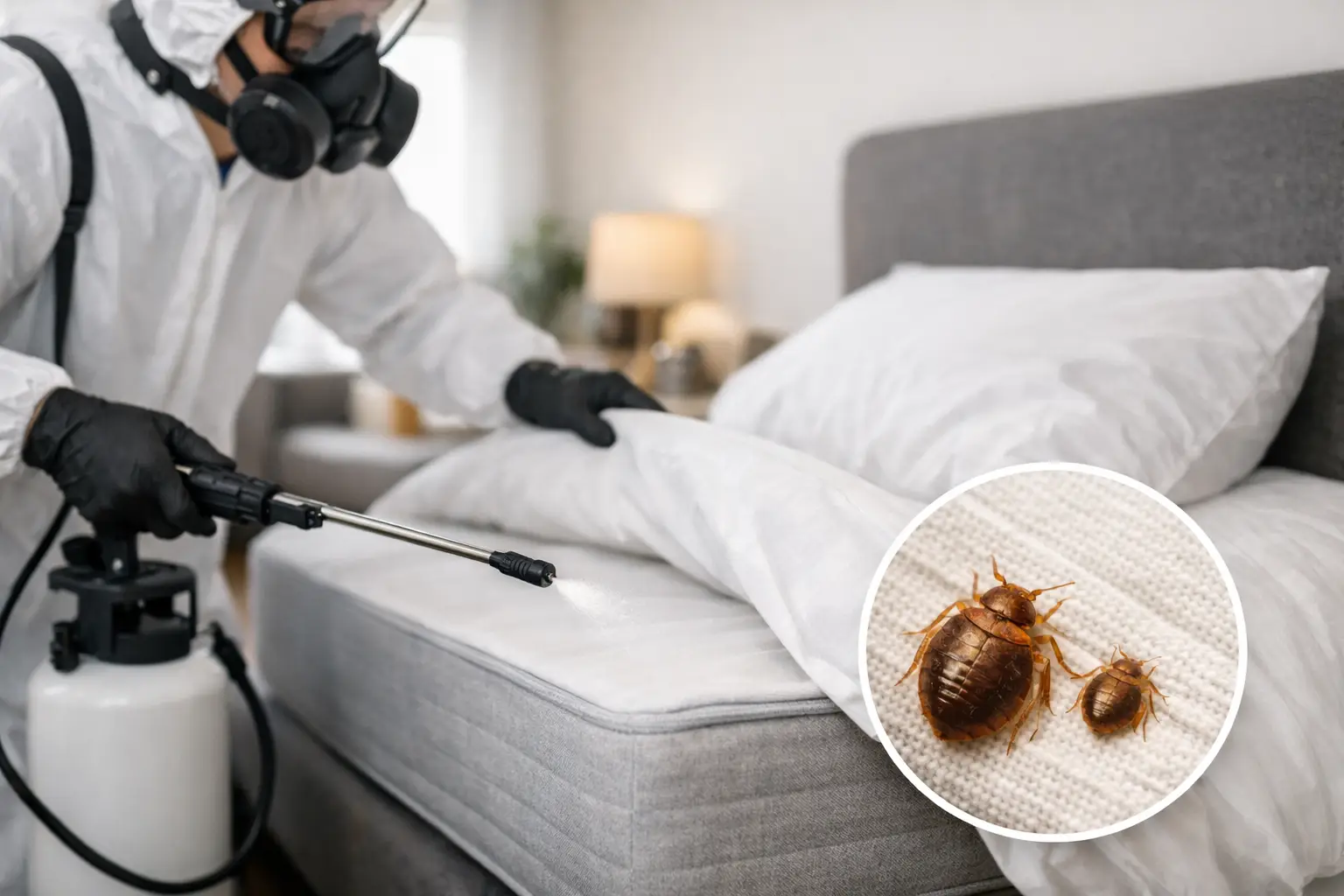
A few itchy bites can turn an ordinary apartment problem into a building-wide issue fast. Bed bug treatment for apartments has to do more than kill visible bugs – it has to account for shared walls, neighboring units, furniture, clutter, and the risk of reintroduction if the source is missed.
That is why apartment bed bug work is different from treating a detached home. In a single-family property, the infestation may stay contained to one structure. In an apartment, bed bugs can move through wall voids, electrical pathways, hall traffic, laundry areas, and secondhand items brought in by residents. Effective control depends on a careful inspection, a targeted treatment plan, and follow-up that verifies the problem is truly under control.
Why bed bug treatment for apartments is more complex
Bed bugs are excellent at staying hidden. They do not just live in mattresses. They can shelter in box springs, bed frames, upholstered furniture, baseboards, headboards, nightstands, wall hangings, and cracks near sleeping areas. In apartments, they may also spread between units when infestations go untreated or when residents try partial DIY treatments that push bugs into new hiding spots.
This is where many people lose time. They see signs in one bedroom and assume the problem is isolated there. Sometimes it is. Often it is not. A reliable treatment plan has to determine whether the infestation is limited to one apartment, concentrated in one room, or affecting adjacent units as well. That answer changes the scope of service and the likelihood of long-term success.
It also changes who needs to be involved. Residents, landlords, and property managers each play a role. A strong response is coordinated, documented, and fast. Delays give bed bugs more time to spread and make treatment more difficult.
The first signs you should not ignore
Most apartment infestations are discovered after bites, but bites alone are not enough to confirm bed bugs. Skin reactions vary, and many people show no reaction at all. More dependable clues include small rust-colored stains on bedding, tiny dark spotting near mattress seams, shed skins, or live bugs around beds and upholstered furniture.
A sweet, musty odor is sometimes mentioned in severe infestations, but that usually appears later. Waiting for a strong smell is a mistake. If you have repeated signs around sleeping or resting areas, an inspection should happen quickly.
The most common mistake is moving furniture into hallways, switching bedrooms, or sleeping on the couch before the problem is evaluated. That often spreads activity into new areas. The goal is containment first, then treatment.
What professional bed bug treatment for apartments should include
A proper apartment treatment starts with inspection, not guesswork. Technicians need to identify where bed bugs are active, how widespread the infestation is, and whether surrounding units should be evaluated. In multi-unit housing, this step is critical. Treating one apartment while missing an adjacent source can lead to a frustrating cycle of reinfestation.
Treatment methods vary based on severity, layout, clutter level, and resident needs. In many cases, professionals use a combination of targeted products, crack-and-crevice applications, dusts in appropriate voids, detailed monitoring, and recommendations for laundering and preparation. Some situations may also call for heat treatment or steam in specific areas. The best approach is rarely one-size-fits-all.
That matters because every method has trade-offs. Heat can be highly effective, but it requires the right setup, the right monitoring, and the right conditions in the unit. Traditional material applications can be effective as part of a broader plan, but they depend heavily on thoroughness and follow-up. Steam can kill bugs and eggs on contact, but it only works where it is directly applied. The strongest results usually come from a customized program that matches the apartment and the infestation.
Preparation matters more than most residents expect
Even the best treatment can underperform if the apartment is not properly prepared. Preparation is not about making the home spotless. It is about giving technicians access to the places bed bugs actually hide and reducing obstacles that protect them.
Residents are often asked to launder bedding and clothing on high heat, bag cleaned items correctly, reduce clutter near sleeping areas, and avoid moving untreated items into other rooms. Mattresses may need to be stripped. Furniture may need to be pulled away from walls. In some cases, drawers and closets need attention too, especially when infestations have been active for a while.
This can feel overwhelming, especially for families, seniors, or tenants dealing with a large amount of belongings. That is one reason professional guidance matters. Clear preparation instructions help avoid wasted effort and reduce the risk of spreading bed bugs while trying to get ready for service.
Why DIY often fails in apartment settings
Store-bought sprays and internet advice tend to focus on what you can see. Bed bugs survive by hiding where you cannot. Spraying the mattress and washing the sheets may kill a few exposed bugs, but it usually does not resolve the infestation. Worse, over-the-counter products are often misapplied, overused, or used in ways that create unnecessary exposure without delivering control.
In apartments, DIY treatment brings another problem. Incomplete treatment can drive bed bugs deeper into walls, furniture, or adjacent spaces. A resident may believe the problem is improving because activity becomes less visible for a short time. Then the bites return, and the infestation is larger or more dispersed than before.
Foggers are a common example. They are rarely a good answer for bed bugs because they do not reach the hidden harborage areas that matter most. They can also scatter insects and complicate professional treatment later.
What landlords and property managers should know
Apartment bed bug issues are not just resident problems. They are building management problems when response is slow, communication is poor, or unit coordination is missing. Quick action protects tenants, limits spread, and reduces the chance that one small problem turns into a costly multi-unit infestation.
A good management response includes prompt inspection, clear resident instructions, documentation of treatment and follow-up, and attention to neighboring units when warranted. It also helps to work with a provider that understands multi-unit housing, not just individual room treatment.
For property managers, consistency matters. Residents need to know what to expect, how to prepare, and why follow-up visits may be necessary. Bed bug work is rarely a single-visit conversation in apartment settings. Verification is part of the service, not an extra.
Safety should be part of the plan, not an afterthought
When children, pets, and shared living environments are involved, safety is a real concern. Professional treatment should be designed around label compliance, proper application methods, and practical guidance for reentry and preparation. That is especially important in apartments where close proximity affects multiple households.
Residents should never guess about what products are safe to mix, where to apply them, or how much is too much. More product does not mean better control. It often means more risk and less precision.
Experienced pest professionals build treatment plans that balance effectiveness with responsible use. That includes choosing the right products and methods for the unit, the severity of the infestation, and the people living there.
How long does apartment bed bug control take?
This depends on infestation size, resident preparation, and whether nearby units are involved. Some apartment infestations can be brought under control relatively quickly when they are caught early and treated thoroughly. Others require multiple visits, monitoring, and coordination across units.
That is not a sign the treatment failed. It is often a sign the provider is taking verification seriously. Bed bugs are persistent, and eggs can complicate timing. The goal is not a quick appearance of improvement. The goal is proven elimination.
In older apartment buildings or heavily furnished units, treatment may take longer because there are simply more hiding places. In buildings with frequent tenant turnover, reinfestation risk can also be higher. Those realities do not make control impossible, but they do make expertise more important.
Choosing the right help for bed bug treatment for apartments
If you are a tenant, ask whether the provider has experience with apartment buildings, adjoining unit inspections, and follow-up protocols. If you are a landlord or property manager, ask how treatment is documented, how resident communication is handled, and what preventive recommendations are included after service.
The right company should be direct about what it takes to solve the problem. Bed bugs are manageable, but shortcuts usually backfire. You want a team that inspects carefully, explains the plan clearly, treats thoroughly, and follows through until the issue is resolved.
For apartment residents and managers in Ohio, that level of service matters because bed bug pressure can escalate quickly in multi-unit housing. Companies such as Apex Pest Control approach these infestations with the urgency, structure, and technical care they require.
If bed bugs are suspected in an apartment, the best next step is not to wait for more bites or try to handle it room by room. Fast, professional action protects your space, your neighbors, and your peace of mind.