



TL;DR:
- Pest harborage sites are specific locations where pests hide, nest, and reproduce within or around a property. Eliminating these sites through thorough inspection, sealing entry points, and sanitation forms the foundation of effective long-term pest control in Ohio homes.
Pest harborage sites are the specific locations where pests hide, nest, feed, and reproduce inside or around a property. For homeowners and property managers in Oakwood, Ohio, explaining pest harborage sites is the foundation of any effective pest control strategy. Cockroaches, rodents, and ants all depend on these sheltered zones to survive Ohio’s cold winters and hot, humid summers. The EPA’s Integrated Pest Management (IPM) framework treats harborage reduction as the first line of defense against recurring infestations. Identify the hiding places, and you cut off the infestation at its source.
What are common pest harborage sites in Ohio homes?
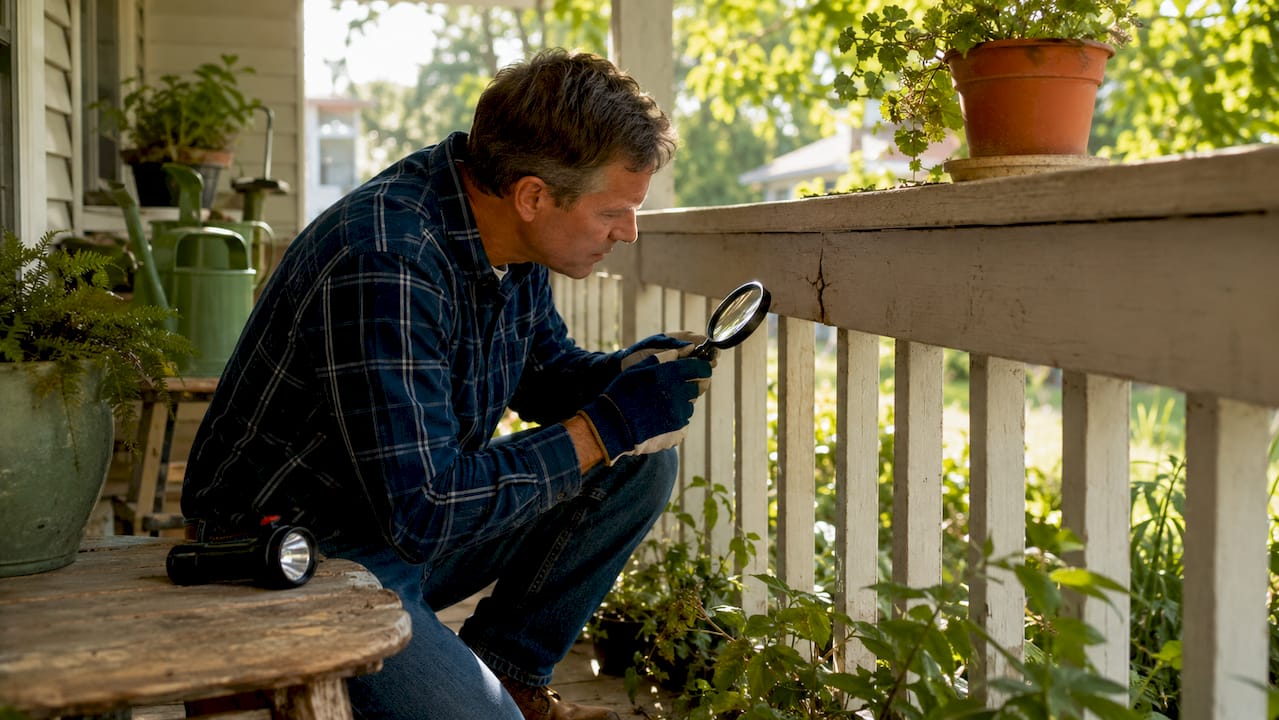
Pest harborage is the industry term for any location that provides pests with shelter, warmth, moisture, or food. In Oakwood’s older residential neighborhoods, where homes often feature original plaster walls, unfinished basements, and mature landscaping, harborage opportunities are everywhere. Knowing where to look is the difference between catching a problem early and facing a full-scale infestation.
Indoor harborage sites are the most dangerous because they are concealed and stable year-round:
- Kitchen cabinets and under-sink areas: 82% of cockroaches are found hiding in kitchen cabinets, drawn by food residue, darkness, and proximity to moisture. This means a cabinet that looks clean on the surface can still harbor an active cockroach population behind the back panel.
- Wall voids near plumbing: Cockroaches nest in wall voids near plumbing leaks because the combination of warmth and moisture creates ideal breeding conditions. Older Oakwood homes with original copper or galvanized pipes are especially vulnerable.
- Basements and crawl spaces: Rodents favor undisturbed, low-traffic areas. Cluttered basements in Oakwood’s mid-century ranch homes and two-story colonials give mice and rats exactly the cover they need.
- Attics: Squirrels and mice use attic insulation as nesting material. Gaps around roof fascia boards and soffit vents are the typical entry points.
- Behind baseboards and outlet covers: Ants and cockroaches travel through wall voids and emerge through gaps behind baseboards, especially in rooms with radiant heat.
- Indoor garbage bins without tight lids: Kitchen trash cans attract cockroaches by offering dark, enclosed spaces rich in organic waste and moisture. A lidded bin is a simple but effective harborage removal tool.
Outdoor harborage sites feed pests before they move indoors, especially as Ohio temperatures drop in October and November:
- Wood piles stored against the foundation: Termites, carpenter ants, and rodents all use stacked firewood as a primary shelter. Moving wood at least 20 feet from the house removes this harborage immediately.
- Mulch beds along the foundation: Mulch placed directly on a foundation traps moisture and warmth, creating ideal conditions for ants, termites, and rodents. Oakwood properties with dense perennial beds along the home’s perimeter are particularly at risk.
- Tall grass and overgrown vegetation: Unmowed areas near the foundation give ground-nesting insects and mice a protected corridor to the house.
- Foundation gaps and crawl space vents: Unsealed utility penetrations and foundation cracks allow pests to move from outdoor harborage directly into wall cavities.
How do you identify signs of pest harborage on your property?
Locating pest harborage sites requires a systematic inspection, not a casual walk-through. Pest signs like droppings, mud tubes, gnaw marks, and food debris map directly to nearby harborage locations. Follow these steps to conduct a thorough inspection of your Oakwood property:
- Walk the exterior perimeter first. Start at the foundation and look for gaps, cracks, and areas where utilities enter the building. Check for mud tubes along the foundation wall, which indicate termite activity. Note any mulch, wood, or debris within two feet of the structure.
- Inspect all plumbing access points. Check under every sink, around the water heater, and along visible pipe runs in the basement. Grease marks along walls near pipes are a reliable indicator of rodent or cockroach harborage nearby.
- Check seldom-disturbed areas. Pests prefer locations that humans rarely access. Pull out the refrigerator, check behind the stove, and open the access panel to your crawl space. Bring a flashlight and look for droppings, shed skins, or nesting material.
- Examine the attic and basement together. Rodents typically enter at the roofline or foundation and travel vertically through wall voids. Finding evidence in both locations confirms an active infestation using the structure as a harborage corridor.
- Use a moisture meter on suspicious walls. High moisture readings behind drywall near plumbing often correlate with cockroach or silverfish harborage. A basic moisture meter, available at hardware stores like Home Depot or Menards, costs under $30 and removes the guesswork.
Pro Tip: Wear nitrile gloves and an N95 mask during any crawl space or attic inspection. Rodent droppings carry hantavirus, and disturbing them without protection creates a genuine health risk.
Correlating pest evidence to structural features is the most reliable method for pinpointing hidden harborage in undisturbed microhabitats. A single dropping near a cabinet toe kick tells you to look inside the wall void directly behind it, not just clean the surface.
Indoor vs. outdoor harborage sites: what’s the difference?
Understanding the distinction between indoor and outdoor pest hiding places helps you apply the right control tactic in the right location. The table below compares the two categories across the factors that matter most for Ohio property management.
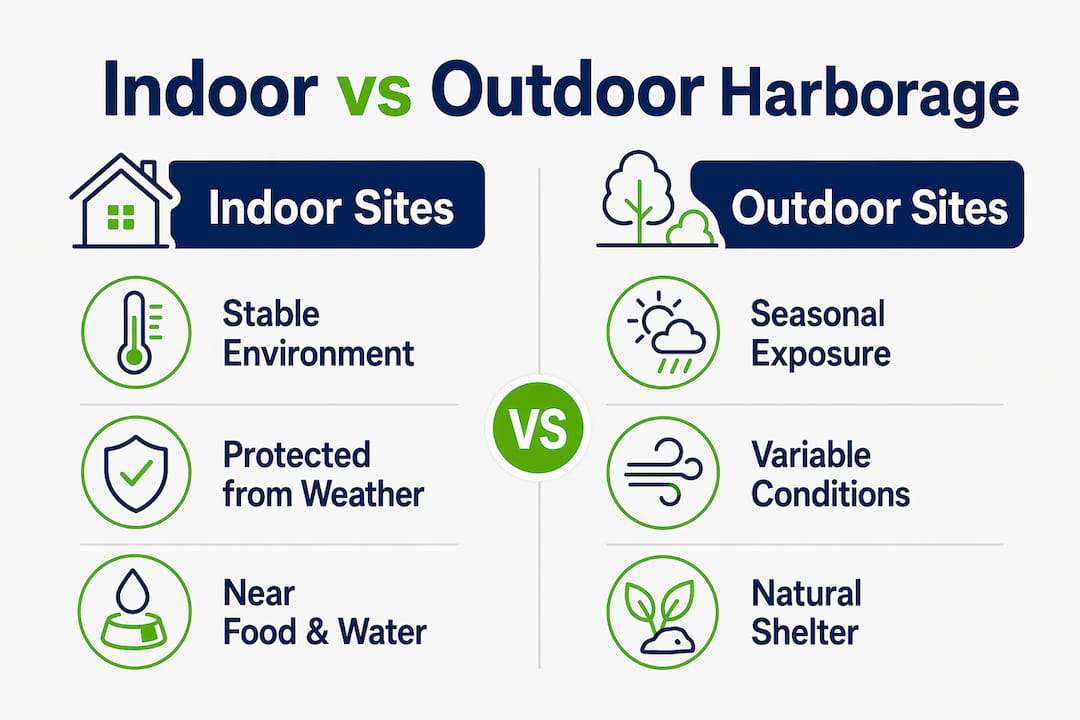
| Factor | Indoor harborage sites | Outdoor harborage sites |
|---|---|---|
| Stability | Stable year-round; temperature and humidity are controlled | Variable with Ohio’s weather; more active in spring and fall |
| Common pests | Cockroaches, rodents, silverfish, ants | Ants, termites, rodents, stinging insects |
| Primary conditions | Moisture near plumbing, food debris, wall voids | Mulch, wood piles, tall grass, foundation gaps |
| Control approach | Structural sealing, sanitation, targeted treatment | Landscaping changes, moisture control, exclusion |
| Infestation risk | High; pests breed and persist without seasonal pressure | Moderate; pests migrate indoors as temperatures drop |
Indoor sites are more dangerous because pests breeding inside a wall void are protected from weather, predators, and most surface-applied treatments. Outdoor sites function as staging areas. Rodents and ants establish colonies in mulch beds or wood piles, then use foundation gaps and utility penetrations to move indoors when Ohio’s November temperatures fall below 40°F.
The seasonal transition is the critical window for Oakwood homeowners. Pest pressure at outdoor harborage sites peaks in late summer, and the migration indoors begins in early fall. Addressing outdoor sites in August and September, before that transition, is far more effective than reacting after pests have already established indoor harborage.
What pest control strategies eliminate harborage sites using IPM?
Integrated Pest Management is the framework recommended by the EPA for sustainable pest harborage elimination in residential settings. IPM combines inspection, exclusion, sanitation, and targeted treatment rather than relying on pesticide applications alone. For Ohio homeowners, the following steps form a practical harborage management plan:
- Seal every entry point. Use steel wool, copper mesh, or caulk to close gaps around pipes, conduits, and foundation cracks. Pay special attention to where utilities enter the building, a spot that inspection guides consistently flag as a primary harborage access route.
- Fix moisture problems immediately. Repair dripping pipes under sinks, improve basement ventilation, and address any standing water in crawl spaces. Moisture is the single most consistent factor linking indoor harborage sites to active infestations.
- Remove outdoor harborage materials. Move wood piles away from the structure, trim vegetation back from the foundation, and clear leaf litter from window wells. These steps remove the staging areas pests use before entering your home.
- Apply the six-inch mulch rule. Maintaining six inches of clearance between mulch beds and the foundation, combined with grading that slopes away from the house, eliminates the moisture and warmth that make foundation beds such productive harborage zones.
- Establish a monthly inspection routine. A monthly maintenance schedule that includes checking under sinks, inspecting the perimeter, and clearing clutter from the basement catches new harborage conditions before pests exploit them.
- Schedule a professional inspection annually. A licensed pest control technician can access areas homeowners typically miss, including wall voids, crawl space interiors, and attic corners. Professional inspections also identify structural vulnerabilities that require contractor-level repairs.
Pro Tip: Before any pest treatment, review the preparation steps for pest treatment to clear harborage materials and give technicians full access. Treatments applied without removing harborage rarely produce lasting results.
The IPM approach for Ohio homes works because it addresses the root cause rather than the symptom. Spraying for cockroaches without fixing the leaking pipe behind the cabinet is like bailing a boat without plugging the hole.
Key takeaways
Pest harborage sites are the root cause of recurring infestations, and eliminating them through inspection, exclusion, and sanitation is the most effective long-term pest control strategy for Ohio homeowners.
| Point | Details |
|---|---|
| Define harborage first | Harborage sites are specific locations providing pests with shelter, moisture, and food. |
| Indoor sites are highest risk | Wall voids, under-sink areas, and basements sustain year-round pest populations. |
| Outdoor sites drive seasonal migration | Mulch beds and wood piles stage pests before they move indoors in fall. |
| Inspection maps harborage accurately | Correlating droppings and gnaw marks to structural features pinpoints hidden nesting zones. |
| IPM removes root causes | Sealing entry points, fixing moisture, and clearing debris prevents infestations without relying on pesticides alone. |
What Oakwood homes taught me about pest harborage
After years of working with Ohio properties, the harborage sites that surprise homeowners most are never the obvious ones. Everyone checks the kitchen. Almost nobody checks the gap where the dryer vent exits through the rim joist, or the space behind the water softener in the utility room. Those are the spots where I consistently find rodent droppings in Oakwood’s older split-level and colonial homes.
Oakwood’s mature tree canopy is beautiful, but it creates a direct harborage corridor from the yard to the roofline. Squirrels and mice use overhanging branches to access soffit gaps, and once they are in the attic, they work their way down through wall voids to the basement. By the time a homeowner notices droppings in the kitchen, the infestation has been active for weeks or months.
The mistake I see most often is treating the symptom without mapping the harborage. A homeowner sets traps in the kitchen, catches a few mice, and assumes the problem is solved. Three weeks later, the activity returns because the wall void harborage was never addressed. Consistent monitoring, combined with a thorough entry point inspection, is the only approach that produces lasting results. DIY vigilance matters, but knowing what you are looking for matters more.
— Dushan
How Apexpestcontrol helps Ohio homeowners eliminate harborage sites
Apexpestcontrol has served Ohio homeowners and property managers since 1969, with deep experience in the pest pressures specific to Oakwood and surrounding communities. The team conducts detailed harborage inspections covering both interior and exterior zones, identifies structural vulnerabilities, and applies exclusion and treatment strategies tailored to your property. Whether you are dealing with a rodent infestation in a crawl space or cockroaches nesting in wall voids, professional rodent extermination and pest control services from Apexpestcontrol address the harborage sites driving the problem, not just the pests you can see. Contact Apexpestcontrol at 1-800-684-2284 for a free quote and a professional inspection built around your home’s specific conditions.
FAQ
What is a pest harborage site?
A pest harborage site is any location that provides pests with shelter, moisture, warmth, or food, allowing them to hide, nest, and reproduce. Common examples include wall voids near plumbing, kitchen cabinets, mulch beds, and wood piles stored against a foundation.
Why do cockroaches hide in kitchen cabinets?
Cockroaches favor kitchen cabinets because they offer darkness, warmth, food residue, and proximity to moisture. Research shows 82% of cockroaches are found in kitchen cabinet areas, making this the highest-priority indoor harborage site to inspect and sanitize.
How do I find pest harborage sites in my home?
Walk the exterior perimeter first, then inspect under sinks, behind appliances, and in crawl spaces using a flashlight and moisture meter. Mapping pest signs like droppings, grease marks, and gnaw marks to structural features reliably pinpoints hidden harborage locations.
Does mulch near my foundation really attract pests?
Yes. Mulch placed directly against a foundation traps moisture and warmth, creating ideal harborage conditions for ants, termites, and rodents. Maintaining at least six inches of clearance between mulch and the foundation wall significantly reduces this risk.
When should I call a professional pest control company?
Call a professional when you find evidence of harborage in wall voids, crawl spaces, or attics, or when DIY measures have not stopped recurring activity. A licensed technician can access concealed harborage zones and apply exclusion strategies that surface treatments cannot reach.