


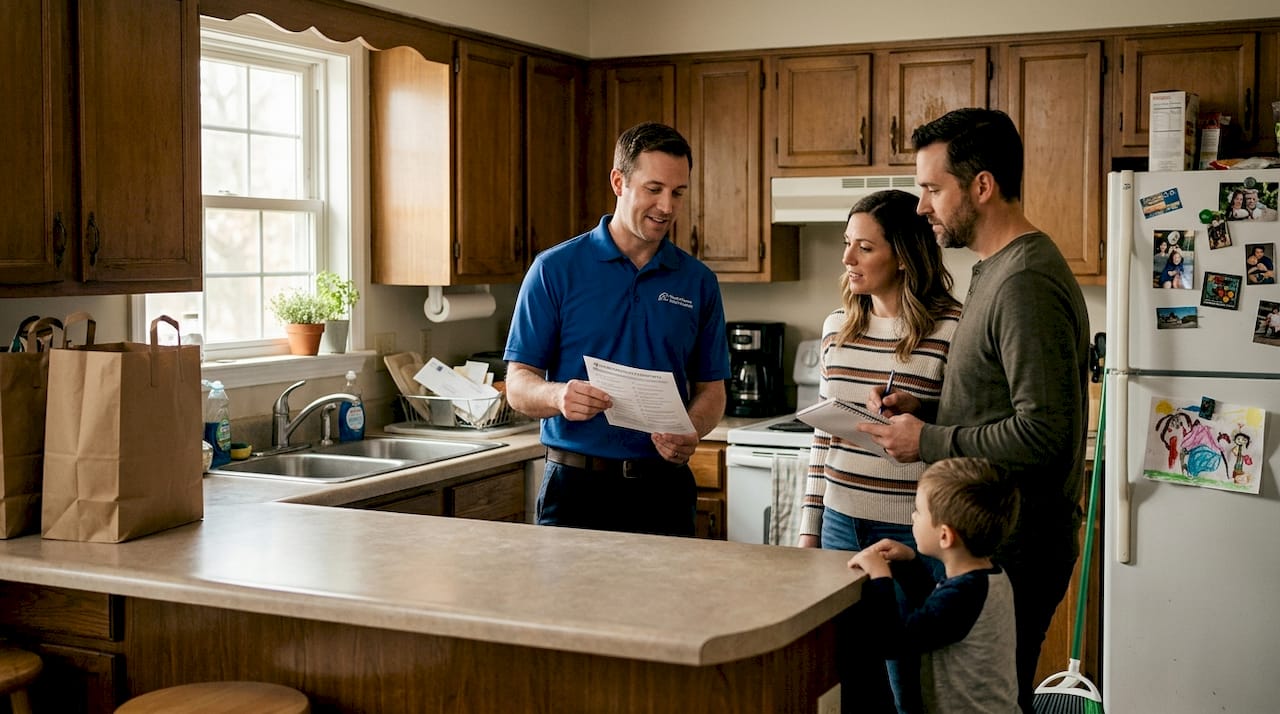
Most homeowners think pest control is entirely the professional’s job. You call the exterminator, they spray, and the problem disappears. But research shows that client cooperation reduces pesticide use by 50-70% while dramatically improving treatment outcomes. When you actively participate in preparation, sanitation, and follow-up, you transform pest management from a one-time fix into a sustainable solution. This article reveals the practical steps Ohio homeowners and property managers can take to maximize treatment effectiveness, reduce chemical exposure, and prevent re-infestations through strategic cooperation.
Table of Contents
- Why client cooperation is essential in pest management
- The most important actions for homeowners and tenants
- How property managers can foster cooperation and success
- Comparing outcomes: With and without client cooperation
- Ohio compliance: Legal standards and best practices for client preparation
- Advance your results with expert pest control support
- Frequently asked questions
Key Takeaways
| Point | Details |
|---|---|
| Client cooperation critical | Homeowner and tenant involvement is the main difference between pest management failure and long-term success. |
| Actions matter | Simple steps like cleaning, sealing, and reporting help reduce pests and the need for chemicals. |
| Managers drive results | Property managers who proactively communicate make residents more likely to cooperate. |
| Legal standards | Ohio requires both preparation and cooperation for legal and effective pest control. |
| Real savings | Effective teamwork can save up to 70% on pesticide use and reduce property damage costs. |
Why client cooperation is essential in pest management
Now that you know cooperation changes everything, let’s examine why your role matters so much. Integrated Pest Management isn’t a solo performance by your pest control technician. It’s a partnership where your actions directly determine success or failure.
Client cooperation is essential in IPM, involving sanitation, preparation for treatments, prompt reporting, and allowing access. When you maintain cleanliness, seal entry points, and communicate pest sightings quickly, you create conditions where treatments work faster and last longer. Professionals can apply the right solutions in the right places, but only if you’ve removed the food sources, water, and shelter that attract pests in the first place.
Non-cooperation leads to predictable failures. Treatments applied to cluttered spaces can’t reach harborage areas. Unsealed cracks allow new pests to enter immediately after treatment. Delayed reporting lets small problems become full infestations. Understanding sanitation in pest control helps you see how your daily habits either support or undermine professional efforts.
The cooperation gap: Property managers report that units with cooperative tenants require 60% fewer follow-up treatments than those where residents don’t prepare or maintain sanitation standards.
Your responsibilities extend beyond treatment day. You need to:
- Remove or cover food items before application
- Clear access to baseboards, cabinets, and treatment zones
- Report new pest activity within 24-48 hours
- Follow post-treatment instructions about re-entry and cleaning
- Maintain sanitation practices between scheduled visits
In Ohio, where landlord responsibilities for pests create shared accountability, cooperation becomes even more critical. Both property owners and residents must fulfill their roles for treatments to succeed.
The most important actions for homeowners and tenants
Having seen why your involvement is vital, here’s what you can do today to make the biggest impact. These aren’t optional extras. They’re the foundation of effective pest management in any Ohio home.
Homeowners and tenants must seal entry points, eliminate food and water sources, maintain cleanliness, and reduce clutter to deny pests resources. Start with these high-impact actions:
-
Seal all entry points: Inspect your home’s exterior for cracks in foundation, gaps around pipes and wires, and damaged weatherstripping. Use caulk for small cracks and steel wool plus foam for larger gaps. Rodents can squeeze through openings the size of a quarter.
-
Eliminate food and water sources: Store all food in sealed containers, including pet food. Fix leaky faucets and pipes immediately. Don’t leave dirty dishes overnight. Take garbage out daily and use bins with tight-fitting lids.
-
Reduce clutter systematically: Pests hide in stacks of newspapers, cardboard boxes, and piles of clothing. Clear storage areas, basements, and closets. Keep items off floors and away from walls to eliminate harborage sites.
-
Maintain rigorous cleanliness: Vacuum regularly, especially in corners and under furniture. Wipe down counters after food prep. Clean behind appliances monthly. Sweep and mop floors to remove crumbs and spills.
-
Follow preparation protocols: When treatment is scheduled, review how to prepare for pest control instructions carefully. Move furniture away from walls, empty cabinets if requested, and ensure technicians can access all treatment areas.
Consider this scenario: A Columbus family struggled with recurring ant problems despite quarterly treatments. After implementing these five actions, focusing especially on sealing kitchen entry points and storing food properly, their ant activity dropped to zero within two treatment cycles. The difference wasn’t the treatment itself but the environment they created.
Pro Tip: Create a pest prevention checklist and review it monthly. Small maintenance tasks like checking door sweeps and cleaning under appliances take minutes but prevent problems that cost hundreds to fix.
Continued follow-up matters just as much as initial preparation. Review safe pest removal steps and maintain your prevention routine between professional visits. Understanding the complete safe pest control workflow helps you see where your actions fit into the larger strategy. The Ohio pest guide provides additional context for seasonal challenges specific to our region.
How property managers can foster cooperation and success
If you’re a property manager, your influence is powerful. Here’s how to use it for better pest control outcomes. You stand between professional services and resident action, making you the key to successful implementation.
Property managers should educate residents via newsletters, training, and clear lease clauses on their role to foster cooperation. But education alone isn’t enough. You need systems that make cooperation easy and natural.
Effective tactics include:
- Regular communication: Send monthly newsletters with seasonal pest prevention tips. Include photos showing what to look for and simple action steps residents can take immediately.
- Visual reminders: Post friendly signage in common areas about proper trash disposal, food storage, and reporting procedures. Make signs helpful, not accusatory.
- Clear lease language: Include specific pest prevention responsibilities in lease agreements. Define what preparation means and outline consequences for non-compliance.
- Resident training sessions: Host brief quarterly meetings where pest control professionals explain IPM principles and answer questions. Offer incentives for attendance.
- Easy reporting channels: Create multiple ways for residents to report pest sightings: phone, email, tenant portal, or text. Respond within 24 hours to every report.
Avoid blame to improve open communication. When residents fear punishment, they hide problems until infestations become severe. Frame pest management as a partnership where everyone benefits from early detection and quick action.
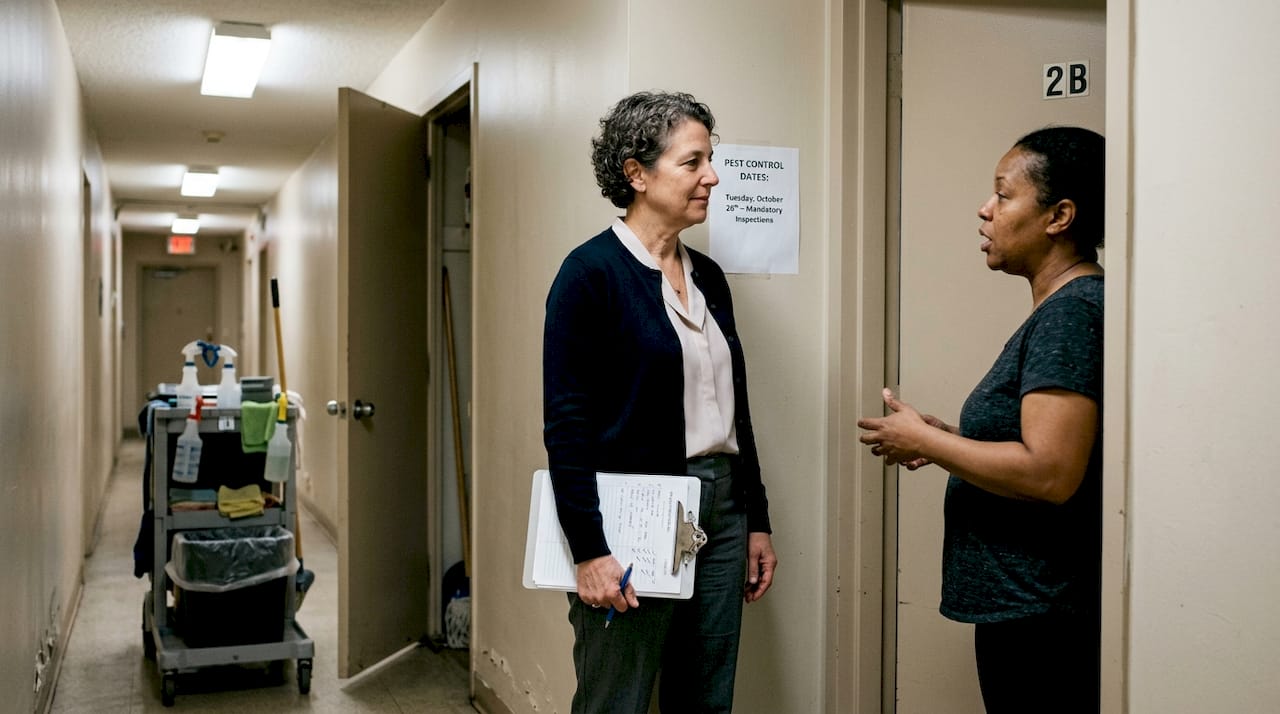
Use simple language in all communications. Technical terms confuse residents and reduce compliance. After treatments, provide written recaps explaining what was done, what residents should expect, and what actions they need to take. Reference Ohio home pest standards to show residents that requirements align with state best practices.
Pro Tip: Create a pest prevention welcome packet for new tenants. Include a checklist of their responsibilities, contact information for reporting, and photos of common pests in your area. Set expectations from day one.
Consider implementing a recognition program for units that maintain excellent pest prevention practices. Positive reinforcement works better than penalties for building long-term cooperation. For additional strategies, review these client communication tips that help educate without overwhelming residents.
Comparing outcomes: With and without client cooperation
But what difference does cooperation really make? Let’s compare the two approaches side by side. The data reveals dramatic contrasts in effectiveness, cost, and environmental impact.
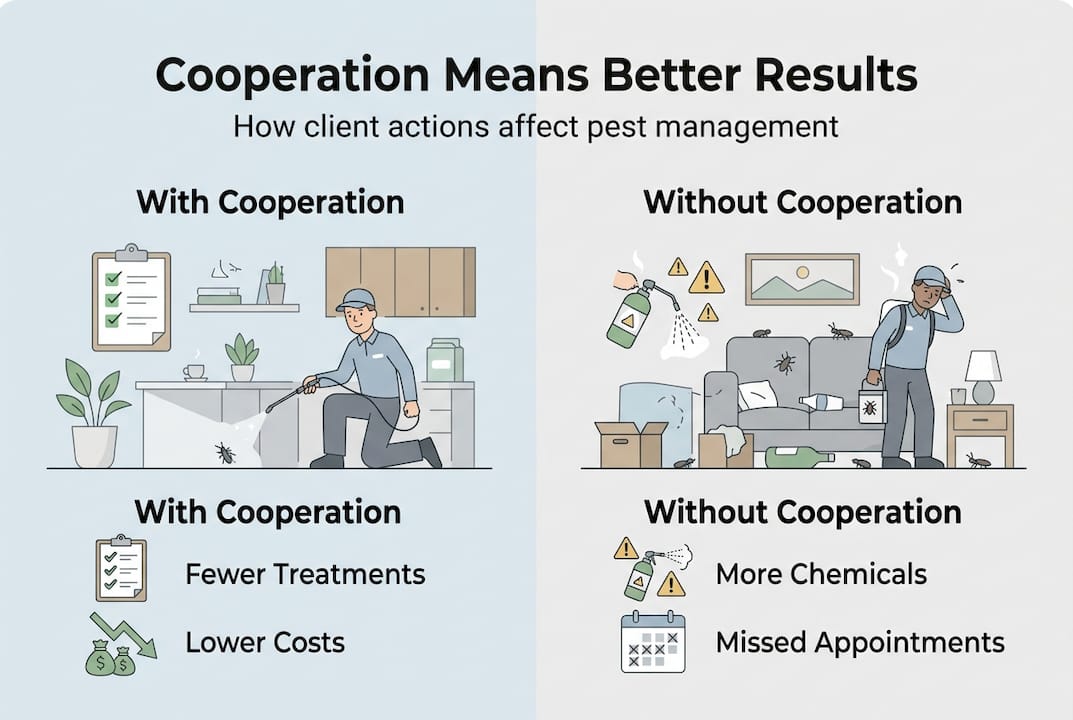
IPM with client cooperation reduces pesticide use by 50-70%, lowers costs, and maintains yields, while non-cooperation leads to failures and higher expenses. Here’s how the outcomes stack up:
| Outcome Measure | With Client Cooperation | Without Client Cooperation |
|---|---|---|
| Pesticide Use | 50-70% reduction | Standard or increased application |
| Treatment Cost | Lower due to fewer visits | Higher from repeat treatments |
| Re-infestation Rate | Minimal with maintenance | High within 30-90 days |
| Treatment Effectiveness | 85-95% success rate | 40-60% success rate |
| Chemical Exposure | Minimized through targeted application | Elevated from repeated treatments |
| Long-term Control | Sustainable prevention | Reactive crisis management |
Key Finding: Properties with high client cooperation achieve pest control goals with 60% fewer chemical applications and 40% lower annual costs compared to properties where residents don’t participate in preparation and prevention.
Non-cooperation forces more aggressive interventions. When initial treatments fail because residents didn’t prepare properly or maintain sanitation, professionals must use stronger products, apply more frequently, or employ methods that would have been unnecessary with proper cooperation. This escalation increases costs, chemical exposure, and resident inconvenience.
The cost difference extends beyond treatment fees. Failed treatments mean lost work time for follow-up appointments, continued property damage from active infestations, and potential health code violations for rental properties. Review pest removal safety tips to understand how cooperation enhances safety outcomes. Ohio’s pest control standards emphasize prevention and cooperation as cost-effective alternatives to reactive treatment cycles.
Ohio compliance: Legal standards and best practices for client preparation
Finally, to ensure you’re fully compliant in Ohio, here’s what the law says about your role in pest management preparation. Understanding these requirements protects you legally and ensures treatments meet state standards.
In Ohio, preparation like clearing clutter and sealing gaps aligns with IPM standards and Ohio Administrative Code for effective control. The state’s regulatory framework recognizes that client preparation isn’t optional. It’s a necessary component of lawful, effective pest management.
Ohio-specific requirements include:
- Pre-treatment access: Residents must provide reasonable access to all areas requiring treatment, including moving furniture and clearing storage as directed.
- Sanitation standards: Maintaining basic cleanliness isn’t just good practice. It’s required under health codes that apply to both homeowners and rental properties.
- Post-treatment compliance: Following re-entry times and cleaning restrictions protects residents and ensures treatments work as intended.
- Reporting obligations: In multi-unit properties, residents must report pest sightings promptly to prevent building-wide infestations.
Here’s how common preparation tasks align with regulatory requirements:
| Preparation Task | Regulatory Rationale | Compliance Benefit |
|---|---|---|
| Clear clutter from treatment areas | Allows proper application per label requirements | Ensures legal product use |
| Seal entry points | Supports IPM approach required by Ohio codes | Reduces chemical dependency |
| Remove food sources | Prevents re-infestation per sanitation standards | Maintains health code compliance |
| Provide access to all rooms | Enables complete inspection and treatment | Fulfills property maintenance obligations |
| Follow re-entry instructions | Protects residents per safety regulations | Prevents liability issues |
For rental properties, both landlords and tenants share preparation responsibilities. Landlords must ensure structural integrity and provide pest-free units at move-in. Tenants must maintain sanitation and report problems promptly. Review Ohio safety tips for guidance on meeting these shared obligations.
Additional resources:
- Ohio Administrative Code sections on pest control standards
- Local health department guidelines for residential pest management
- Food safety and pest control requirements for properties with commercial kitchens
Compliance isn’t complicated when you understand the reasoning behind each requirement. Every preparation step serves a specific purpose: protecting health, ensuring treatment effectiveness, or preventing environmental contamination.
Advance your results with expert pest control support
With all of this in mind, here’s how you can put the strategy into action with expert support. Clients who partner with responsive professionals get better, longer-lasting results. At Apex Pest Control, we’ve served Ohio homes and properties since 1969, and we’ve learned that the most successful outcomes happen when homeowners and property managers actively participate in the process.
We guide you through every step, from initial inspection to post-treatment follow-up. Our technicians explain exactly what preparation is needed and why each step matters. We provide clear written instructions, answer your questions, and work around your schedule to make cooperation easy. Whether you’re dealing with rodent extermination challenges, need targeted bed bug treatments, or want to establish a comprehensive prevention program, we tailor our approach to your specific situation.
Our IPM-focused methods minimize chemical use while maximizing effectiveness, but only when you’re ready to do your part. We’ll show you the entry points that need sealing, the sanitation improvements that will prevent re-infestation, and the monitoring techniques that catch problems early. Ready to experience the difference that true partnership makes? Get a free pest control quote today and let’s build a customized plan that works for your Ohio property.
Frequently asked questions
What are the top three things a homeowner should do before pest control?
Clear clutter, seal entry points, and remove food and water sources to boost treatment results. These actions allow technicians to access treatment areas and eliminate the resources pests need to survive.
How does client cooperation reduce chemical use in pest management?
Cooperative clients allow IPM to cut pesticide use by up to 70% by removing pest resources and maintaining sanitation. When you eliminate food, water, and shelter, professionals can use targeted treatments instead of broad chemical applications.
Are tenants legally required to prepare for pest treatments in Ohio?
Yes, Ohio codes require tenants to follow reasonable preparation steps like clearing clutter and sealing gaps for effective pest control. These requirements align with state health and safety standards for residential properties.
What can property managers do to encourage tenant cooperation?
Regularly educate residents with clear instructions, encourage timely reporting, and use positive communication. Provide multiple reporting channels and respond quickly to build trust and participation.
Is it ever the tenant’s fault if there’s a pest problem?
While tenant-caused issues shift responsibility, open dialogue and joint action prevent escalation and improve results. Avoid blame to encourage reporting, then work together to identify and fix the root causes.