



TL;DR:
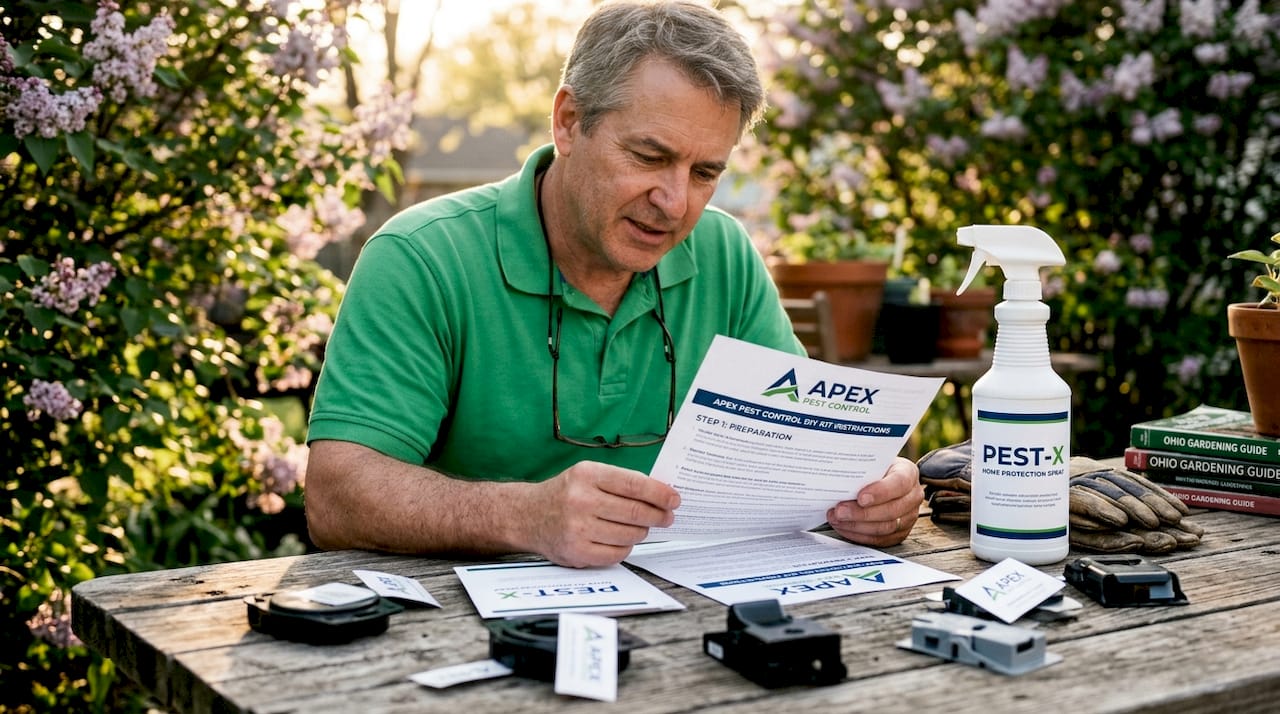
- DIY pest control in Ohio often leads to misidentification, ineffective treatments, and health or legal risks. Professional guidance and integrated pest management offer safer, more effective solutions that address root causes and minimize hazards. Consulting licensed experts ensures regulatory compliance and long-term pest prevention for Ohio households.
Walk into any hardware store in Ohio and you’ll find an entire aisle dedicated to pest control products that promise quick, affordable results. The idea seems simple: buy a spray, apply it, and your problem is solved. But the reality is far more complicated, and the gaps between what homeowners expect and what actually happens can put your family, your pets, and even your finances at serious risk. Before you reach for that can of generic bug killer, here’s what you genuinely need to understand about the hidden dangers of DIY pest control.
Table of Contents
- Common risks of DIY pest control
- Health and safety dangers from pesticide missteps
- Legal and regulatory pitfalls in Ohio
- Homemade pesticide recipes: hidden dangers
- Safer alternatives: Integrated Pest Management (IPM)
- The uncomfortable truth most Ohio homeowners miss about DIY pest control
- Next steps for Ohio homeowners: safer pest solutions
- Frequently asked questions
Key Takeaways
| Point | Details |
|---|---|
| Misidentification worsens problems | Treating the wrong pest lets infestations persist or escalate. |
| DIY chemicals increase safety risk | Improper pesticide use can expose families and pets to health hazards. |
| Legal pitfalls for Ohio homeowners | Restricted pesticides require licensing; unauthorized use carries fines and risks. |
| Homemade pest solutions are risky | Unregistered homemade recipes lack safety and proven efficacy. |
| Safer alternatives exist | Integrated Pest Management is a tested, effective approach for safer homes. |
Common risks of DIY pest control
The first and most costly mistake most Ohio homeowners make is assuming they know exactly what pest they’re dealing with. Seeing a small brown insect near your kitchen sink might seem straightforward, but that could be anything from a German cockroach to a drain fly to a type of beetle, and each one requires a completely different treatment approach. Getting it wrong doesn’t just waste money. It can actively make things worse.
Incorrect identification and using generalized methods can worsen infestations because broad-spectrum products often fail to penetrate the areas where pests actually nest, breed, and hide. A cockroach bait placed in the wrong location, for example, simply goes ignored. Meanwhile, the colony continues to grow behind your walls or under your appliances.
Here are the most common ways misidentification and generic treatments backfire for Ohio homeowners:
- Treating for ants when the problem is actually termites, leaving structural damage undetected
- Using surface sprays for bed bugs, which only scatter them deeper into walls and furniture
- Applying the wrong concentration of product, either doing nothing or creating chemical buildup
- Missing secondary infestations because you focused only on the visible pest
- Wasting weeks on ineffective treatments while the real problem escalates
“DIY efforts are unlikely to work if the pest is not properly identified.” This is why even a single misidentification can turn a minor nuisance into a full-scale infestation requiring expensive professional intervention.
Understanding DIY pest control vs. exterminators often comes down to this exact issue: professionals carry the training and tools to correctly identify pests before applying any treatment. You also want to review solid pest removal safety tips before attempting any kind of treatment at home, even something that seems minor.
Pro Tip: Before buying any product, photograph the pest and cross-reference it with extension service resources or your county’s agricultural office. Ohio State University Extension provides free pest identification guidance that can save you significant time and money.
It’s also worth noting that even correctly identified pests can create problems if the treatment doesn’t account for where they live. Carpenter ants, for instance, don’t just walk across your counter. They nest inside moist wood. A spray along the baseboard accomplishes almost nothing if you don’t address the moisture source and the colony location. Many homeowners discover this the hard way after two or three failed attempts, which is exactly when a small problem has become a large one.
Reviewing a thorough residential pest management guide can help you understand not just the pest itself but the environmental conditions that attract and sustain it. And once treatment does happen, sanitizing after pest removal is a step many DIYers completely skip, which allows bacteria and allergens to linger long after the pests are gone.
The risks in home DIY projects are well documented across many categories, and pest control is no exception to the pattern where underpreparation leads to worse outcomes than the original problem.
Health and safety dangers from pesticide missteps
Even when homeowners correctly identify their pest, the health risks from improper pesticide use are significant and often underestimated. These aren’t just theoretical concerns. Children and pets are particularly vulnerable to chemical exposure from surfaces, air, and residues that persist after application.
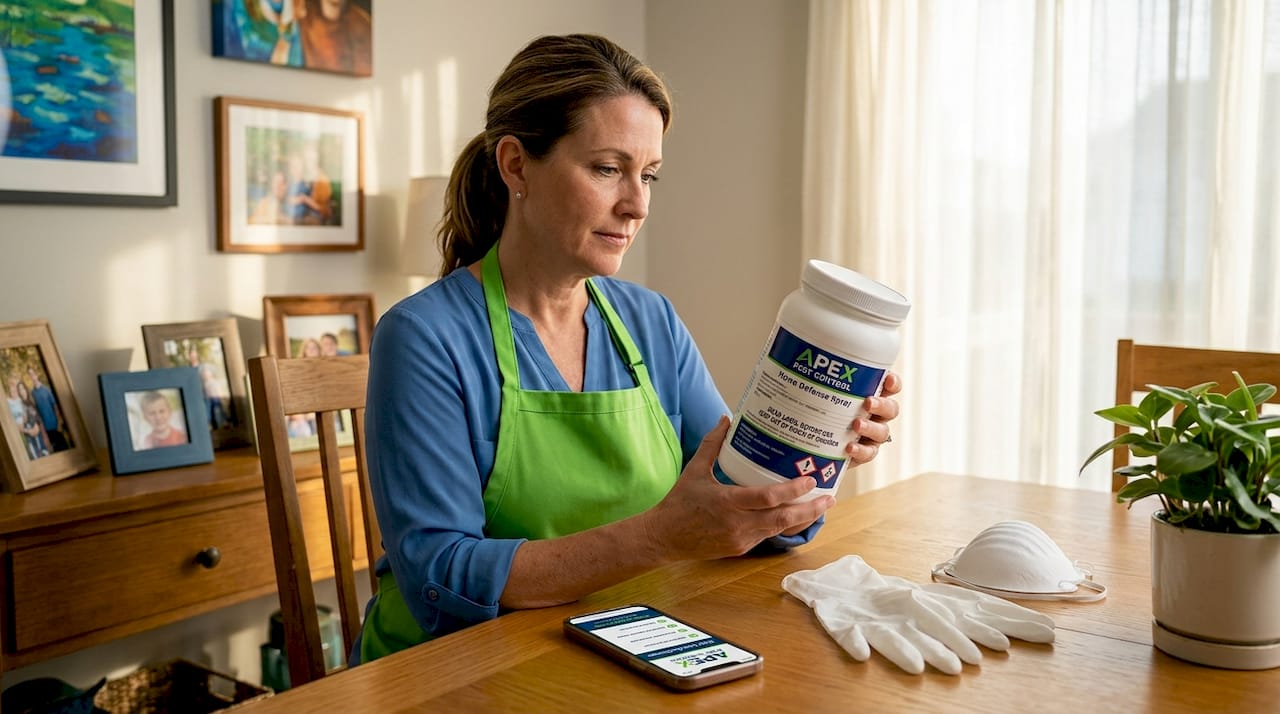
Pesticide exposure risk rises with common DIY missteps such as over-application, improper placement, mixing or combining products, poor storage, and not following label directions or PPE requirements. Exposure can happen through ingestion, inhalation, and skin contact, and the consequences range from mild irritation to serious neurological effects depending on the chemical and the level of contact.
Here are the top five DIY pesticide mistakes Ohio homeowners make most often:
- Overusing chemicals: Applying more than the label recommends does not improve results. It increases residue on surfaces and elevates exposure risk for everyone in the home.
- Not reading labels: Pesticide labels are legally binding documents. Ignoring application rates, timing, and safety distances creates real liability and real danger.
- Mixing unknown substances: Combining household cleaners with pesticide products can produce toxic gases. This happens more often than people realize, particularly when ammonia-based cleaners meet certain pesticide formulations.
- Poor storage: Storing products near food, in unlabeled containers, or in reach of children creates accidental poisoning risks that have nothing to do with the actual application.
- Ignoring PPE requirements: Many products require gloves, eye protection, and ventilation at minimum. Skipping these steps because it “seems like overkill” is exactly how exposure incidents happen.
Pro Tip: Never mix household chemicals or create your own pesticide recipes. The reaction between seemingly harmless ingredients can produce chlorine gas, hydrogen sulfide, or other toxic compounds that require emergency response to treat.
The EPA’s guidance strongly recommends non-chemical methods as a first resort and strict label adherence for any chemical use. Reviewing safe pest removal steps before you start any treatment process can help you avoid the most dangerous mistakes. You can also cross-reference safe home cleaning tips to understand how everyday household products interact with pest control chemicals in ways that create unexpected hazards.
Understanding pest removal safety isn’t about being overly cautious. It’s about recognizing that the products strong enough to kill insects are also strong enough to harm mammals if used incorrectly.
Legal and regulatory pitfalls in Ohio
Most Ohio homeowners don’t realize that pest control exists within a regulated legal framework, and that some of those regulations apply directly to what you can purchase, apply, and store at home.
In Ohio, some pesticides are restricted-use and legal application can require licensing and compliance with label requirements. Unauthorized DIY use creates legal and regulatory risk along with real safety gaps. This isn’t just a technicality. Purchasing or applying a restricted-use pesticide without the appropriate credentials can result in fines, liability for damages, and in some cases, involvement from the Ohio Department of Agriculture.
| Factor | DIY pest control | Professional pest control |
|---|---|---|
| Legal compliance | High risk of violations | Licensed, fully compliant |
| Product access | Limited to general-use only | Access to restricted-use products |
| Safety protocols | Variable, often incomplete | Standardized and regulated |
| Treatment effectiveness | Inconsistent | Verified by training and experience |
| Liability if harm occurs | Homeowner bears full liability | Provider carries insurance coverage |
The most common legal mistakes Ohio homeowners make with DIY pest control include:
- Purchasing restricted-use products from unregulated sources online
- Applying products in ways that violate label instructions, which is a federal offense under FIFRA (the Federal Insecticide, Fungicide, and Rodenticide Act)
- Failing to store or dispose of chemicals in accordance with Ohio’s hazardous material regulations
- Using residential-grade products in spaces that require commercial-grade treatment by law
The comparison between DIY vs. professional control becomes especially clear in this context. Professionals carry licenses, insurance, and ongoing training specifically because pest control involves both chemical handling and legal accountability.
Homemade pesticide recipes: hidden dangers
Beyond store-bought products, a growing number of Ohio homeowners turn to online recipes for homemade pest control solutions. These range from essential oil sprays to vinegar and dish soap combinations to more concerning mixtures involving bleach or rubbing alcohol. The appeal is obvious: cheap, seemingly natural, and easy to make. The reality is far less reassuring.
Homemade pesticides are not registered, lack instructions for proper dosing, and their ingredients may not be proven safe or effective. Unlike registered products that go through EPA review for safety, efficacy, and environmental impact, homemade recipes have no testing requirement, no standard formulation, and no safety data.
| Category | Registered pesticide | Homemade pesticide |
|---|---|---|
| Safety testing | Required by EPA | None |
| Efficacy data | Documented | Anecdotal |
| Legal status | Fully compliant | Unregistered, potentially illegal |
| Dosing instructions | Clearly labeled | Unknown and inconsistent |
| Disposal guidance | Provided | None |
The specific concerns with homemade solutions include:
- Essential oils like tea tree, peppermint, and eucalyptus are toxic to cats and can trigger respiratory issues in children at high concentrations
- Vinegar solutions rarely kill pests; they may deter some insects temporarily but have no residual effect
- Bleach-based mixtures can damage surfaces, produce harmful fumes, and are ineffective against most pest species
- Soap-based sprays can harm beneficial insects without addressing the actual infestation
“Homemade pesticides should not be recommended because their ingredients haven’t been proven safe or less toxic.” The assumption that natural means safe is one of the most dangerous misconceptions in DIY pest control.
For homeowners who want to reduce chemical use responsibly, IPM examples for safer homes offer evidence-based alternatives that don’t carry the unpredictable risks of home recipes.
Safer alternatives: Integrated Pest Management (IPM)
If DIY chemical treatments and homemade recipes both carry significant risks, what’s a practical Ohio homeowner supposed to do? The answer that both the EPA and pest management professionals consistently recommend is Integrated Pest Management, or IPM.
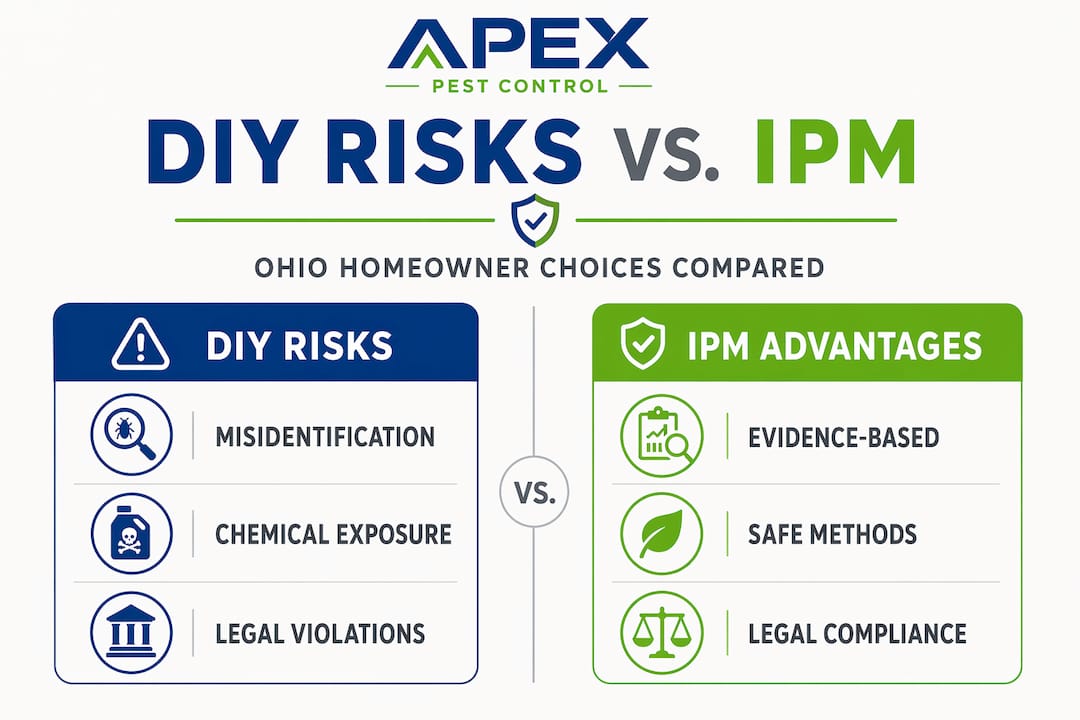
IPM reduces health and environmental risks compared to routine DIY spraying by prioritizing prevention, accurate identification, and targeted interventions over blanket chemical application. It’s a smarter framework that produces better long-term results with fewer risks.
Here’s how to apply IPM principles in your home:
- Sanitation first: Remove food sources, moisture, and clutter. Most infestations thrive because conditions inside the home support them.
- Exclusion: Seal cracks, gaps around pipes, and entry points around windows and doors. This stops new pests from entering and is one of the most effective long-term strategies available.
- Monitoring: Use sticky traps to identify the type and scale of an infestation before choosing any treatment. This prevents the misidentification problem discussed earlier.
- Targeted action: If treatment is needed, use the most specific, least-toxic option available. Targeted baits for ants or cockroaches, for example, are far more effective than aerosol sprays because they reach the colony.
- Evaluate and adjust: Check results regularly. If the infestation persists after two to three weeks, escalate to professional help rather than doubling down on ineffective treatments.
Pro Tip: Target your control efforts at the pest’s root cause, whether that’s a moisture problem, a food source, or a structural gap. Spraying the visible pest without addressing what attracted it just creates a cycle of repeated infestations.
Benefits of IPM over routine chemical DIY include:
- Significantly lower chemical exposure for children and pets
- Reduced development of pesticide resistance in pest populations
- Better long-term control because root causes are addressed
- Lower overall cost when prevention replaces repeated treatments
Explore IPM explained for Ohio for a full breakdown of how this approach applies to Ohio’s specific pest pressures, and review the detailed IPM steps guide for a practical implementation plan tailored to Ohio households.
The uncomfortable truth most Ohio homeowners miss about DIY pest control
After more than five decades of serving Ohio homeowners, here’s what we’ve seen repeatedly: most people who attempt DIY pest control don’t fail because they’re careless. They fail because pest management is genuinely more complex than it looks from the outside.
You can read every label, follow every instruction, and still not understand that the ants you’re treating inside are a satellite colony of a much larger nest outside. You can buy the right product and apply it exactly as directed and still miss the fact that your infestation is coming from a shared wall with a neighboring unit in a multifamily home.
The hidden costs of DIY pest control almost always exceed what homeowners expect. By the time a professional is called in, the problem has grown, the chemical residue from failed attempts complicates treatment, and the damage to structures or belongings has compounded.
“If a pest is difficult to identify, hard to access, or persistent, escalate to a certified professional.” This isn’t a suggestion to give up early. It’s a recognition that professional intervention earlier in the process almost always costs less than late-stage treatment after multiple DIY failures.
Pro Tip: Think of pest control the way you think about any serious home repair. You might patch a small crack yourself, but you wouldn’t ignore foundation damage or try to replumb your house over a weekend without expertise. The same logic applies here.
IPM explained gives homeowners a solid foundation for what they can manage independently. But knowing when to call in expertise is just as important as knowing how to prevent pests in the first place. Ohio’s regulated environment, combined with the genuine health and legal risks of pesticide misuse, makes professional assessment a smart investment rather than a last resort.
Next steps for Ohio homeowners: safer pest solutions
You now understand the real risks involved in DIY pest control, from misidentification and chemical exposure to legal violations and ineffective homemade treatments. The good news is that you don’t have to navigate this alone. Apex Pest Control has been protecting Ohio homes since 1969, bringing licensed expertise, safer treatment methods, and proven IPM strategies to households across the state.
Start by reviewing the residential pest solutions comparison to understand your options, and explore IPM examples for practical steps you can take immediately. When you’re ready for a professional assessment, get your free quote and connect with an Apex specialist who can identify your exact pest problem and recommend the safest, most effective solution for your Ohio home.
Frequently asked questions
Can I use any pesticide for DIY pest control in Ohio?
No. Some pesticides are restricted and require a license in Ohio; always check legal requirements before buying or applying any product to make sure you’re compliant.
Are homemade or natural pest remedies safe for use indoors?
Homemade remedies are not registered or proven safe and often lack proper dosing instructions or efficacy data, meaning their risks can easily outweigh any perceived benefit.
What is the main risk if I misidentify a pest?
Misidentification leads to ineffective treatments, and incorrect identification often causes infestations to persist or worsen as the real pest goes untreated while conditions for it continue to improve.
Is it safer to hire a professional pest control expert instead of trying DIY methods?
Yes. Professionals bring training, access to appropriate tools, legal compliance, and insurance coverage, all of which significantly reduce both health risks and liability compared to unsupervised DIY attempts.
What is Integrated Pest Management (IPM)?
IPM is a structured strategy that combines prevention, pest identification, monitoring, and targeted least-toxic controls. IPM reduces risks compared to routine chemical spraying and delivers better long-term results for Ohio homeowners.