



TL;DR:
- Effective pest prevention relies on sealing entry points, ongoing monitoring, and sanitation.
- Ohio’s climate creates year-round pest risks requiring proactive exclusion and integrated pest management.
- Consistency and human habits are key to maintaining pest-free buildings over time.
Pest infestations can quietly destroy what you’ve worked hard to build. A single rodent nest inside a wall can chew through wiring, contaminate insulation, and trigger costly repairs before you ever see the first mouse. In Ohio, where cold winters push rodents indoors and warm summers bring ants, termites, and stinging insects, the threat is year-round and relentless. Homeowners and property managers who wait for visible signs before acting often find themselves dealing with full-blown infestations that are far more expensive to fix than they were to prevent. This guide gives you a clear, practical roadmap to stop pests before they start.
Table of Contents
- Understanding the risks: Why pest issues persist in Ohio buildings
- Preparing your building: Essential tools, supplies, and education
- Proactive prevention: Step-by-step pest exclusion and monitoring
- Integrated Pest Management (IPM): Sustainable solutions that last
- Troubleshooting and maintaining results: Avoiding common pitfalls
- What most pest guides miss about keeping Ohio buildings pest free
- Take the next step: Professional pest control solutions for Ohio homes
- Frequently asked questions
Key Takeaways
| Point | Details |
|---|---|
| Prevention beats treatment | Addressing pest entry points and practicing good sanitation minimizes infestations. |
| IPM is most effective | Integrated Pest Management provides a sustainable, step-by-step approach for lasting results. |
| Regular inspections matter | Seasonal and monthly checks help catch early signs before pests become a major problem. |
| Professional help is available | Licensed pest control services provide expertise for complex or persistent infestations. |
Understanding the risks: Why pest issues persist in Ohio buildings
Ohio’s climate creates a perfect storm for pest activity. Winters drive mice and rats inside searching for warmth and food. Spring and summer bring carpenter ants, termites, and stinging insects. Fall triggers another wave of rodent intrusions as temperatures drop again. If you’re only reacting to what you see, you’re already behind. Understanding seasonal pest risks in Ohio is the first step toward building a real defense.
The age and condition of your building matters enormously. Older Ohio homes often have foundation cracks, deteriorating weatherstripping, and gaps around utility pipes that pests exploit with ease. Even newer buildings develop vulnerabilities over time. A gap as small as a quarter inch is enough for a mouse to squeeze through. Poor sanitation, clutter, and moisture problems make your building even more attractive to pests looking for food, water, and shelter.
Here’s a snapshot of the most common Ohio pest threats by season:
| Season | Primary pests | Key risk factors |
|---|---|---|
| Winter | Mice, rats, cockroaches | Gaps in foundation, poor weatherstripping |
| Spring | Ants, termites, stinging insects | Moisture, wood rot, soil contact |
| Summer | Mosquitoes, wasps, bed bugs | Standing water, travel, poor screens |
| Fall | Rodents, stink bugs, spiders | Cooling temps, entry point gaps |
The most dangerous mistake property owners make is relying entirely on reactive treatments. Spraying for ants once or setting a few traps after you see a mouse doesn’t fix the underlying problem. Reactive treatments fail because they don’t address unsealed entries or hidden nests, which is why Integrated Pest Management (IPM) prioritizes non-chemical solutions first. Common vulnerabilities that keep infestations coming back include:
- Unsealed gaps around pipes, vents, and electrical conduits
- Damaged door sweeps and window screens
- Improperly stored food and organic waste
- Excess moisture from leaks or poor drainage
- Cluttered storage areas that provide nesting cover
“The difference between a one-time pest problem and a recurring nightmare is almost always an unaddressed entry point or a hidden nest you never found.”
Check out top pest threats by season to understand exactly what you’re up against throughout the year.
With the scope of the pest threat in mind, let’s identify what you’ll need to prevent issues before they start.
Preparing your building: Essential tools, supplies, and education
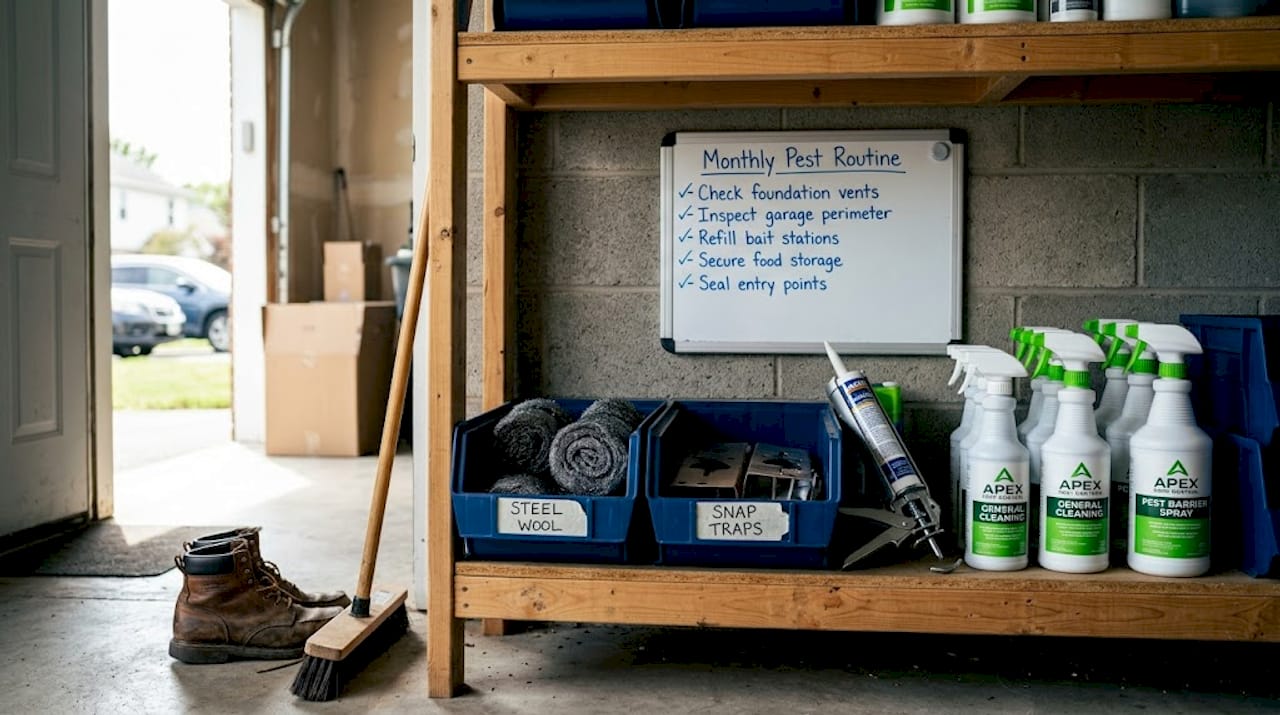
Effective pest prevention starts with having the right materials on hand and knowing how to use them. You don’t need a garage full of chemicals. What you need is a targeted set of physical tools and a solid understanding of how pests behave. IPM examples for safe homes show that the most effective approaches combine physical barriers with smart monitoring, not just pesticide applications.
Here’s a comparison of DIY versus professional approaches for common prevention tasks:
| Task | DIY approach | Professional approach |
|---|---|---|
| Sealing entry points | Caulk, steel wool, foam | Comprehensive exclusion audit and sealing |
| Monitoring | Snap traps, glue boards | Tamper-resistant bait stations, digital monitoring |
| Sanitation | Routine cleaning, waste removal | Sanitation audit with written recommendations |
| Identification | Visual inspection | Species-specific identification for targeted treatment |
| Recurring infestations | Repeat DIY attempts | Root cause analysis and structured IPM program |
Physical tools every Ohio property owner should keep on hand include:
- Silicone caulk and expanding foam for sealing cracks and gaps around pipes
- Steel wool or copper mesh to block rodent entry points before applying sealant
- Door sweeps and weatherstripping to close gaps under exterior doors
- Snap traps and glue boards for early rodent detection in high-risk areas
- PPE (personal protective equipment): gloves and a dust mask when inspecting crawl spaces or attics
Knowledge is just as important as physical tools. Ohio State researchers recommend that homeowners and property managers adopt IPM using OSU Extension resources for education and contract licensed professionals for Northeast Ohio’s seasonal pest challenges. OSU Extension offers free guides, webinars, and local resources specifically tailored to Ohio pest pressures.
Pro Tip: For multi-unit buildings, tenant education is one of the most underrated prevention tools. A single tenant who leaves food out or ignores a small leak can undermine every other prevention measure you’ve put in place. Brief written guidelines and a clear reporting process make a real difference.
Setting up a monthly pest maintenance routine keeps prevention consistent rather than reactive. A monthly walkthrough takes less than an hour and catches small problems before they grow.
Preparation is key, but what does day-to-day prevention really look like? Here’s how to proactively stop pests from taking hold.
Proactive prevention: Step-by-step pest exclusion and monitoring
Exclusion means physically denying pests access to your building. It’s the single most effective long-term strategy available to Ohio property owners, and proactive exclusion prevents costly damage while reducing the need for chemical intervention. Here’s a step-by-step process to implement it effectively:
- Conduct a full exterior inspection. Walk the entire perimeter of your building looking for cracks in the foundation, gaps around utility penetrations, damaged vents, and deteriorating weatherstripping. Pay special attention to corners and areas where different building materials meet.
- Seal every gap you find. Use silicone caulk for small cracks, expanding foam for larger voids, and steel wool packed tightly into rodent-sized holes before applying sealant. Don’t skip gaps that seem too small. Mice can compress their bodies through openings the size of a dime.
- Install and inspect door sweeps. Every exterior door should have a functioning door sweep with no daylight visible underneath. Replace worn sweeps immediately.
- Set up a monitoring network. Place snap traps or glue boards along walls in the basement, attic, garage, and utility rooms. Check them weekly and log what you find.
- Establish a sanitation routine. Take out garbage regularly, store food in sealed containers, fix dripping faucets and slow drains, and eliminate clutter in storage areas. Pests need food, water, and shelter. Remove any one of these and you make your building significantly less hospitable.
- Educate everyone in the building. Family members and tenants should know what early pest signs look like: droppings, gnaw marks, grease trails along walls, and unusual odors. Create a simple reporting process so problems get flagged immediately.
- Keep detailed records. Log every pest sighting, trap catch, and action taken. Over time, this data reveals patterns, like which areas are most active in which months, that help you target your efforts more precisely.
Statistic callout: Buildings with active monitoring and documented exclusion programs report significantly fewer recurring infestations compared to those relying on reactive treatments alone.
Pest exclusion strategies for Ohio homes go into specific detail on sealing techniques for different building types. You can also reduce pest risk factors by addressing moisture and structural vulnerabilities that make buildings attractive to pests in the first place.
Pro Tip: Pay extra attention to the area where your utility lines enter the building. Gas, water, and electrical penetrations are among the most commonly missed entry points, and they’re often located in areas you don’t check regularly.
You’ve put prevention into action. Now, discover how Integrated Pest Management brings it all together for maximum results.
Integrated Pest Management (IPM): Sustainable solutions that last
IPM is not a single product or treatment. It’s a coordinated strategy that uses inspection, prevention, monitoring, and targeted intervention to manage pests with the least possible risk to people and the environment. Ohio property owners who adopt IPM consistently see fewer recurring infestations and lower long-term costs compared to those who rely on periodic chemical treatments alone.
The IPM process follows a clear sequence:
- Inspect the building thoroughly to identify pest species, entry points, and conditions that support pest activity
- Prevent by sealing entries, modifying habitat, and eliminating food and water sources
- Monitor with traps and regular inspections to detect activity early
- Intervene with the least disruptive method first: physical removal, traps, or biological controls before considering chemical options
IPM prioritizes non-chemical solutions including cultural, mechanical, and biological controls, with chemicals used only as a last resort. This approach dramatically lowers the risk of pesticide resistance developing in local pest populations, which is a growing problem with reactive chemical-only programs.
Ohio State researchers have specifically highlighted IPM as the recommended framework for Ohio homeowners and property managers, with OSU Extension resources available to support implementation at every level.
Here’s a quick summary of IPM outcomes compared to reactive-only approaches:
| Factor | Reactive treatment only | IPM program |
|---|---|---|
| Recurrence rate | High | Significantly lower |
| Chemical use | Frequent | Minimal, targeted |
| Long-term cost | Higher | Lower over time |
| Environmental impact | Greater | Reduced |
| Tenant or family safety | Variable | Prioritized |
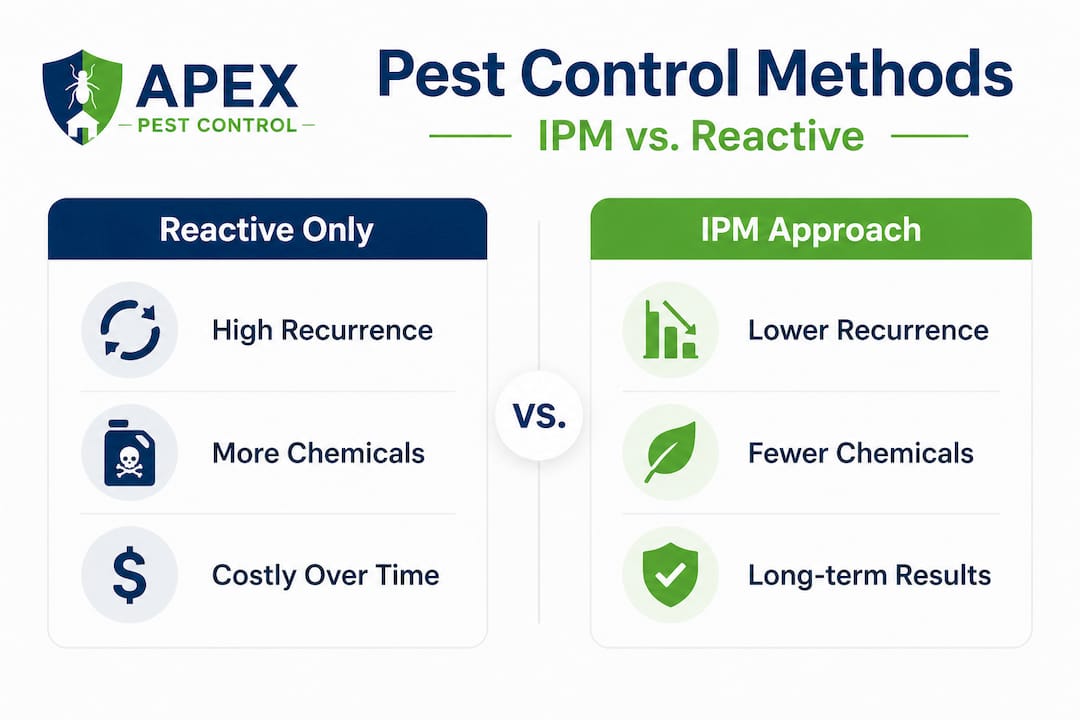
Strong pest prevention planning built on IPM principles gives Ohio property owners a framework that adapts to seasonal changes and evolving pest pressures rather than just chasing the latest infestation.
Even with the best strategies, slip-ups can happen. Here’s how to avoid common pitfalls and troubleshoot issues.
Troubleshooting and maintaining results: Avoiding common pitfalls
Even well-prepared property owners run into setbacks. The most common reason pest problems return is not a lack of effort but a lack of consistency. Gaps get missed, monitoring gets skipped during busy months, and sanitation routines slip. Reactive treatments fail precisely because they don’t address unsealed entries or hidden nests, and the same logic applies to prevention programs that aren’t maintained.
Watch out for these common mistakes:
- Missing small or hidden gaps. Pests don’t need large openings. Inspect areas behind appliances, inside cabinets, and around HVAC components that often get overlooked.
- Inconsistent monitoring. Checking traps every few weeks instead of weekly means you miss early warning signs and lose the chance to act before an infestation grows.
- Skipping sanitation during busy periods. Holidays, move-in seasons, and summer gatherings are exactly when sanitation tends to slip and pests take advantage.
- Assuming one treatment is enough. A single exterminator visit without follow-up exclusion work leaves the root cause in place.
- Ignoring community-level risks. In multi-unit buildings or neighborhoods, a pest problem in one unit or property can quickly spread to yours.
Pro Tip: Set a seasonal calendar reminder for pest prevention tasks. A quick inspection and trap check at the start of each season takes less than 30 minutes and dramatically reduces your risk of a surprise infestation.
When DIY methods aren’t cutting it, don’t wait too long to call a professional. Year-round pest protection requires a layered approach, and licensed exterminators bring species-specific expertise, professional-grade tools, and the ability to identify problems you might miss entirely. Review essential pest control tips to make sure your current routine covers all the basics before deciding whether professional help is the right next step.
Having reviewed practical solutions, let’s look at the bigger picture and share a perspective on what truly keeps Ohio homes pest free.
What most pest guides miss about keeping Ohio buildings pest free
After more than 50 years working with Ohio homeowners and property managers, we’ve seen a clear pattern. The buildings that stay pest free year after year are not the ones with the most expensive treatments. They’re the ones where everyone inside the building is paying attention.
Most pest guides focus on products and techniques. They tell you what to seal and what to spray. What they rarely address is the human side of pest prevention. A property manager who runs a tight exclusion program but never communicates with tenants will still face recurring problems. A homeowner who seals every gap but ignores a slow leak under the sink is leaving the door open for cockroaches and silverfish. Real success comes from building habits, not just fixing problems.
We’d also push back on the idea that seasonal pest control is something you do twice a year. Ohio’s climate means pest pressures shift constantly. The threat in March looks nothing like the threat in August or November. Reviewing your protection plan at every seasonal transition, not just once in spring and once in fall, is what separates properties that stay clean from those that keep calling for emergency treatments.
The other thing most guides underplay is community effort. In a duplex, a condo building, or even a close-knit neighborhood, your pest risk is partly determined by what your neighbors do. Encouraging shared standards, open communication, and collective action through an HOA or building management structure can reduce everyone’s risk. You can reduce risk factors in your own unit, but coordinated effort across a building or block is what makes the difference at scale.
Take the next step: Professional pest control solutions for Ohio homes
When prevention isn’t enough or an infestation has already taken hold, professional help makes a measurable difference. At Apex Pest Control, we’ve been protecting Ohio homes and businesses since 1969 using proven, environmentally responsible methods. Our rodent removal services address both the infestation and the entry points that caused it. For property managers and homeowners who want a structured approach, our IPM steps for Ohio buildings provide a clear, season-by-season framework designed for Ohio’s specific pest pressures. Whether you’re dealing with an active problem or want to get ahead of the next season, we’re ready to help. Request a free quote today and find out exactly what it takes to protect your property.
Frequently asked questions
What is the most important first step to keeping a building pest free?
Seal all potential entry points and regularly inspect for new gaps or cracks to deny pests easy access. Reactive treatments fail because they don’t address unsealed entries or hidden nests, making exclusion the foundation of any effective pest control program.
How often should pest inspections be done in Ohio?
Check high-risk areas at least once a month and after any major seasonal weather change, since Ohio’s climate creates distinct pest pressure shifts throughout the year.
Can I use only natural and non-chemical methods for pest control?
Yes, IPM prioritizes non-chemical solutions including cultural, mechanical, and biological controls first, turning to chemicals only when those methods are not sufficient to manage the infestation.
What are common mistakes in pest prevention?
The most common mistakes are missing small gaps during inspections and failing to maintain consistent sanitation and monitoring routines. Reactive treatments fall short for the same reason: they treat symptoms without fixing the underlying access and nesting conditions.
When should I call a professional for pest control help?
Call a licensed pest control professional for severe, recurring, or dangerous infestations, or when DIY methods have failed to resolve the problem. Ohio homeowners and property managers are specifically advised to contract licensed professionals for Northeast Ohio’s seasonal pest challenges.