



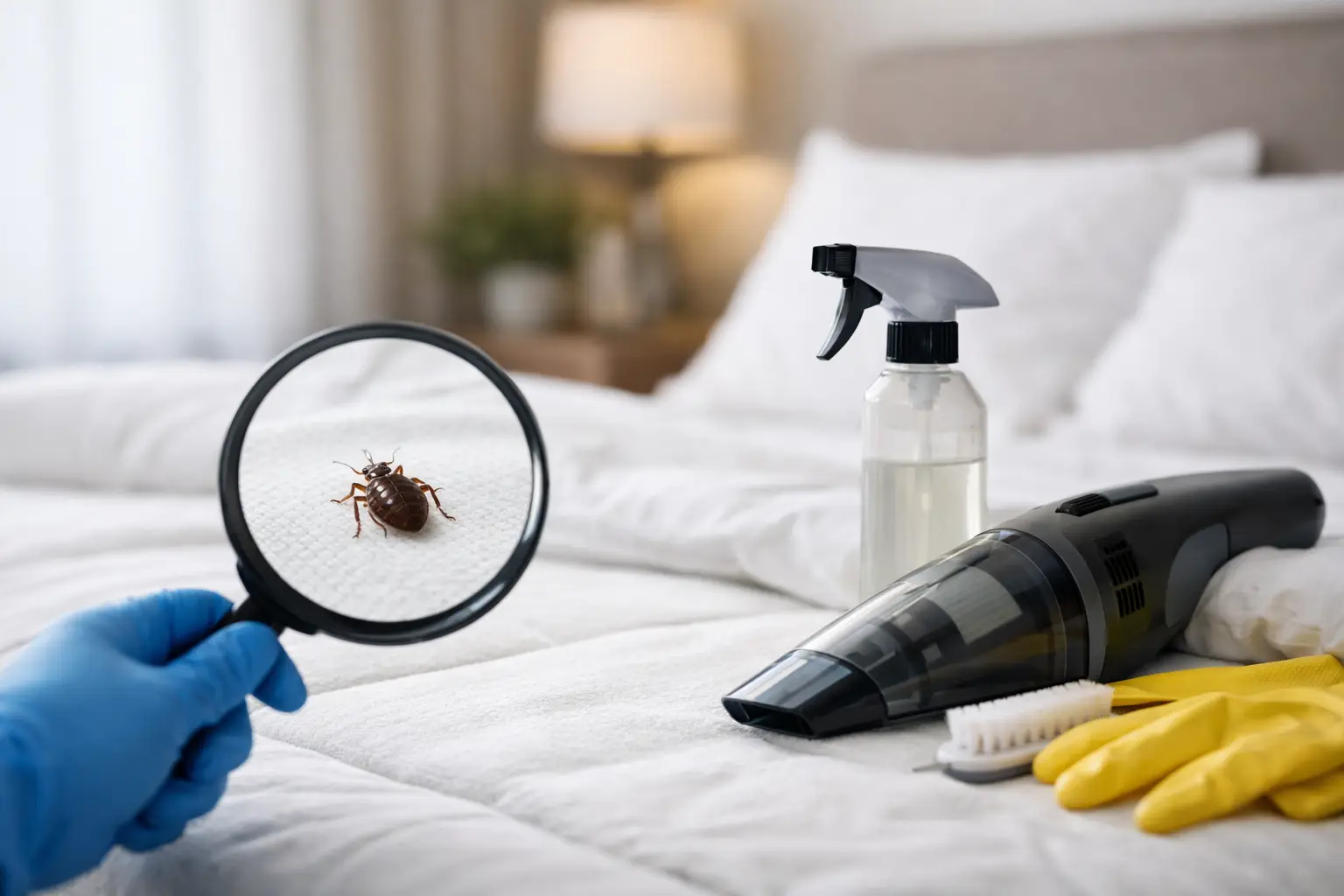
The hardest part of a bed bug problem is often what comes after treatment – waiting, watching, and wondering if one missed insect will start the whole cycle again. If you are asking how to prevent bedbugs returning, the answer is not a single trick. It takes follow-through, careful monitoring, and a prevention plan that closes off the most common ways bed bugs come back.
Bed bugs are persistent because they hide well, travel easily, and can survive for long periods without feeding. That is why successful prevention depends on what happens after the initial treatment as much as the treatment itself. For homeowners, that means protecting bedrooms, furniture, and laundry routines. For property managers and commercial operators, it also means inspection protocols, documentation, and fast response if activity appears again.
How to prevent bedbugs returning after treatment
The first priority is to respect the treatment window. People often want to vacuum aggressively, wash everything again, or move furniture back immediately. Some cleanup is necessary, but doing too much too soon can interfere with the residual products or control methods your technician has put in place. If you were given post-treatment instructions, follow them exactly. The details matter.
Bed bug control usually works best as a process, not a one-day event. Eggs may hatch after the first service, and some programs require follow-up visits to confirm elimination. Skipping those inspections is one of the most common reasons a small surviving population gets a chance to rebuild. A professional service plan should include clear timing for reinspection and retreatment if needed.
Clutter reduction is another major factor. Bed bugs do not appear because a space is dirty, but clutter gives them more places to hide and makes inspections less reliable. Bedrooms, closets, storage bins, nightstands, and under-bed areas should stay organized so any new activity is easier to spot. In apartments, hotels, dorms, and multi-unit facilities, clean lines of sight can make a meaningful difference in early detection.
Keep beds and furniture from becoming hiding places
The bed is the most important area to protect because it is where bed bugs prefer to feed. Start with mattress and box spring encasements designed specifically for bed bugs. These covers trap any insects already inside and make new infestations easier to detect on the surface. They also remove many of the folds and seams where bed bugs like to hide.
Your bed should also be slightly isolated. Pull it a few inches away from the wall, avoid letting bedding touch the floor, and reduce contact points where bugs can climb. Interceptor devices under bed legs can help monitor activity and may catch bed bugs trying to reach the bed. They are not a complete solution, but they are useful as part of a larger prevention strategy.
Furniture deserves the same level of attention. Upholstered chairs, sofas, headboards, and secondhand pieces all create risk. Inspect seams, tufts, screw holes, and joints carefully. If an item was previously infested and heavily damaged, replacement may be more practical than trying to salvage it. That decision depends on the severity of the infestation, the condition of the item, and whether it can truly be treated thoroughly.
Used furniture is one of the easiest ways bed bugs are reintroduced into a home or facility. Avoid picking up curbside items, and be cautious with online marketplace purchases. A clean-looking couch can still carry bed bugs deep in the frame. If you bring in used items at all, inspect them before they enter the building.
Laundry and cleaning habits that actually help
Heat is one of the most dependable tools against bed bugs. Bedding, clothing, curtains, and other washable fabrics should be dried on high heat when appropriate for the material. Washing helps, but the dryer is what delivers the more reliable kill. After treatment, it is smart to bag clean items if you are still in the monitoring phase, especially when dealing with nearby rooms or multi-unit housing.
Vacuuming can help remove live bugs and shed skins from seams, baseboards, bed frames, and carpet edges, but it has limits. It will not reach every crack where bed bugs hide, and it should not be treated as a stand-alone fix. If you vacuum suspect areas, empty the contents into a sealed bag and dispose of it promptly. In commercial settings, housekeeping teams should be trained on what to look for so they do not spread insects from room to room through carts, linens, or equipment.
Steam can be effective on certain surfaces when applied correctly, but it is easy to misuse. Too little heat will not solve the problem, and too much moisture can damage materials. That is why steam is usually best handled by trained professionals or used very selectively by informed occupants.
Travel is a major source of reintroduction
Many recurring bed bug problems are not treatment failures at all. They are reintroductions from travel, guests, shared laundry spaces, or neighboring units. Travel is a major one.
When staying in a hotel or rental property, inspect the mattress seams, headboard area, and nearby furniture before unpacking. Keep luggage on a rack away from the bed and wall, not on upholstered furniture or the floor. When you get home, unpack in a controlled area, wash what you can, and run travel clothing through a hot dryer cycle if the fabric allows it. Luggage should be inspected and stored off bedroom floors.
For workers who move between sites – healthcare staff, maintenance teams, delivery personnel, social service providers, and property teams – prevention should include awareness of how bed bugs hitchhike on bags, soft cases, and personal items. The more mobile the environment, the more structured the inspection process needs to be.
In apartments and commercial properties, prevention is broader
Single-family homes have more control over the environment. Multi-unit properties do not. In apartments, condos, senior living communities, hotels, shelters, and other shared settings, one untreated unit can undermine progress in another. That is why bed bug prevention in these settings must include building-wide communication and coordinated response.
If there is confirmed activity, adjacent rooms or units may need inspection even when no bites have been reported. Bed bugs can move through wall voids, hallways, utility lines, or shared furnishings. Waiting for a full infestation to become obvious usually means a more expensive, disruptive problem later.
Documentation also matters. Facility managers should keep records of complaints, inspection dates, findings, treatments, and follow-up outcomes. Good records support faster decisions and stronger quality control. They also help distinguish between a persistent infestation and a new introduction, which affects how the response should be handled.
Know what early warning signs look like
Part of learning how to prevent bedbugs returning is recognizing signs before the population grows. Bed bugs are easiest to eliminate when activity is found early. That means paying attention to small clues instead of waiting for obvious bites or widespread staining.
Look for tiny dark spotting on sheets or mattress seams, pale shed skins, live insects in cracks near sleeping areas, or unexplained bite patterns that keep appearing. Bites alone are not a reliable diagnosis because skin reactions vary and other pests can cause similar marks. Visual confirmation is always better.
If you think you found evidence, act quickly. Do not start moving infested items through the house, and do not assume over-the-counter sprays will solve it. Many retail products miss hidden harborages or scatter insects deeper into walls and furniture. A professional inspection is often the fastest way to confirm what is really happening.
Why professional follow-up makes the difference
Bed bugs are one of the pests where partial control often creates a false sense of security. A few quiet weeks can look like success, even when eggs or hidden adults remain. That is why follow-up is not optional in serious cases.
A trained technician knows where bed bugs hide, how treatment methods interact, and when a return visit is necessary. They can also identify risk factors that homeowners and staff may overlook, such as untreated adjoining rooms, infested furniture, recurring travel exposure, or housekeeping practices that spread activity.
For Ohio homeowners and property operators dealing with repeat concerns, a professional partner can build a prevention plan around the property itself, not a one-size-fits-all checklist. That may include monitoring devices, scheduled reinspections, occupant guidance, and targeted treatment recommendations designed to protect people, pets, and the structure.
The Centers for Disease Control and Prevention and the Environmental Protection Agency both stress integrated control, inspection, and careful follow-up rather than relying on a single product or quick fix. That approach is slower than wishful thinking, but it is far more dependable.
If bed bugs have been treated once, the goal is not to hope they stay gone. The goal is to make your home, room, or facility harder to infest, easier to inspect, and faster to respond the moment something changes. That is what gives you the best chance at real peace of mind.