



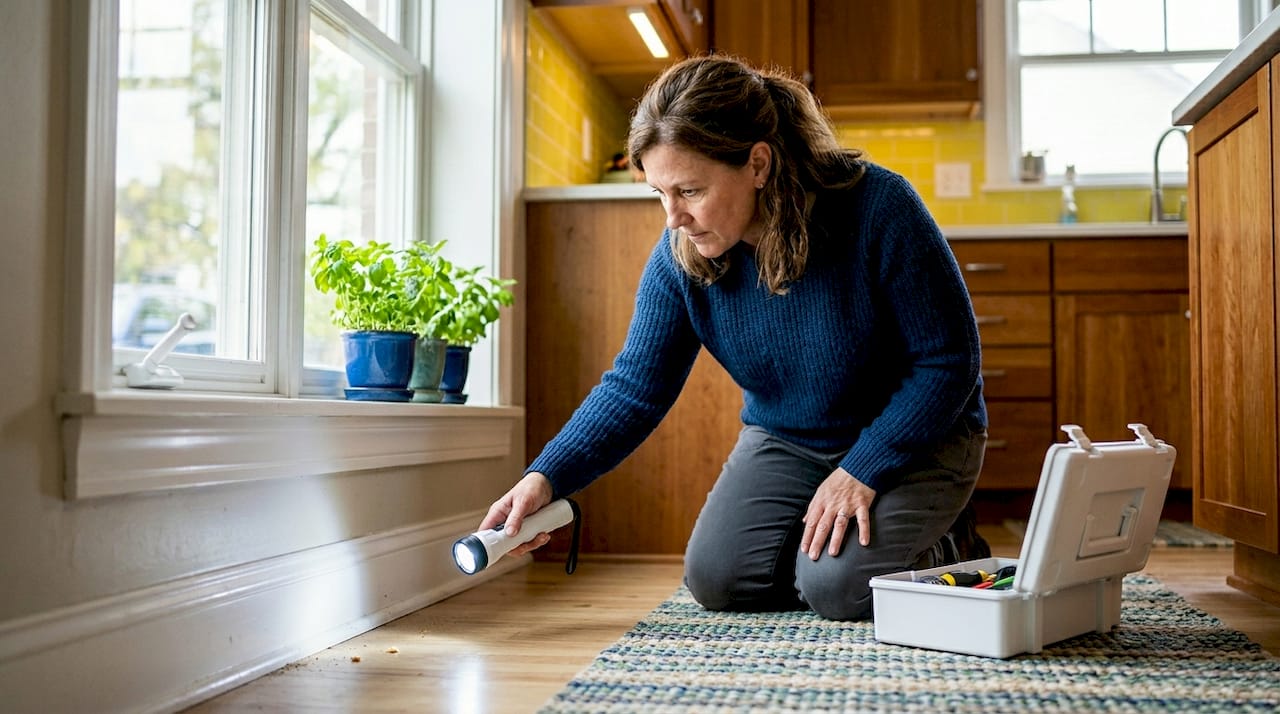
TL;DR:
- Pests in Ohio homes can infest regardless of cleanliness, as they follow food, warmth, and moisture.
- Effective control requires accurate identification, understanding insect life cycles, and implementing integrated pest management strategies.
Most Ohio homeowners assume pests are a sign of a messy house. They’re not. Even spotless, well-maintained homes in Columbus, Cleveland, and Cincinnati regularly deal with bed bugs, carpet beetles, cockroaches, and ants. The truth is that insects don’t judge your housekeeping. They follow food, warmth, moisture, and opportunity. When you understand the basics of how pests live, breed, and move, you stop reacting to infestations and start preventing them. This guide gives you that foundation, walking you through identification, biology, and the smartest control strategies available to Ohio homeowners today.
Table of Contents
- Understanding pests in Ohio homes: Common insects and where they hide
- Why identification matters: Foundations of basic entomology for homeowners
- Integrated Pest Management (IPM): The smarter homeowner’s guide
- Bed bugs and carpet beetles: Detection, prevention, and when to call the pros
- Our perspective: The real reason most home pest problems persist (and what works instead)
- Connect with Ohio’s pest experts for advanced home solutions
- Frequently asked questions
Key Takeaways
| Point | Details |
|---|---|
| Any home can get pests | Insect infestations are common everywhere, not just in dirty or poorly maintained homes. |
| Correct ID is crucial | Identifying pests accurately lets you choose the safest and most effective solutions. |
| IPM outperforms sprays | Integrated Pest Management combines multiple strategies and reduces the need for chemicals. |
| Bed bugs need the pros | DIY sprays almost never solve bed bug problems; professional action is usually needed. |
| Prevent with inspection | Regular home checks and careful handling of used or travel items limit pest risks. |
Understanding pests in Ohio homes: Common insects and where they hide
Now that we understand why any Ohio home can face pests, let’s look at which insects are most common and how to spot their presence before a small problem becomes a serious one.
Ohio’s climate creates ideal conditions for a surprisingly wide range of household pests. Humid summers and cold winters push insects indoors, and older housing stock with aging seals and small structural gaps gives them easy access. The pests you’re most likely to deal with fall into a short but important list.
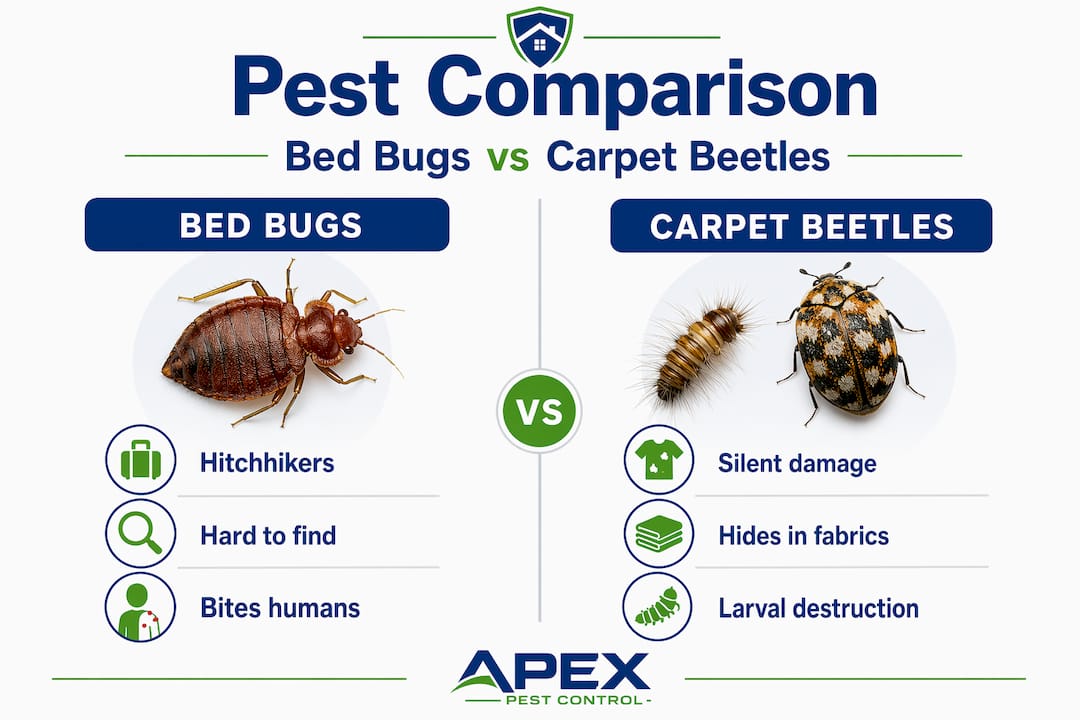
Bed bugs are expert hitchhikers. They latch onto luggage, clothing, bedding, and secondhand furniture, then settle into mattress seams, bed frames, and wall outlets. As Cleveland Clinic bedbug guidance confirms, bed bugs can infest any home even if it’s kept spotless. Cleanliness offers zero protection against them. You’ll find more detail in our bed bug control guide and tips on identifying bed bugs from the early signs.
Carpet beetles often go unnoticed until you see irregular holes in wool sweaters, silk scarves, or natural fiber rugs. The larvae, not the adult beetles, do the damage. Ohio State University Extension’s carpet beetle fact sheet addresses their identification and control in detail, because these pests require a specific approach that’s very different from treating ants or cockroaches.
Ants are the most common pest complaint in Ohio homes, especially carpenter ants, odorous house ants, and pavement ants. They typically enter through foundation cracks and gaps around utility lines, following scent trails left by scouts.

Cockroaches prefer kitchens and bathrooms because they need moisture. German cockroaches, the most common indoor species, can fit through a gap as thin as a dime. They reproduce rapidly, with one female capable of producing hundreds of offspring in a single year.
Rodents, while not insects, are worth noting here since they often share entry points with insects and signal structural vulnerabilities that let everything else in too.
Here’s a quick reference to help you organize your thinking:
| Pest | Preferred hiding spots | How they enter | Risk level | Control difficulty |
|---|---|---|---|---|
| Bed bugs | Mattress seams, bed frames, outlets | Luggage, furniture, clothing | High | Very hard |
| Carpet beetles | Closets, rugs, stored fabrics | Open windows, cut flowers, secondhand items | Medium | Moderate |
| Ants | Wall voids, kitchens, basements | Foundation cracks, utility gaps | Low to medium | Moderate |
| Cockroaches | Kitchens, bathrooms, under appliances | Plumbing gaps, grocery bags | High | Hard |
| Rodents | Attics, wall voids, basements | Foundation gaps, utility penetrations | High | Hard |
Key warning signs to watch for in every room:
- Small dark droppings near food storage or under sinks
- Shed insect skins along baseboards or inside closets
- Irregular fabric damage or bare patches on rugs
- Blood spots or dark staining on mattress edges
- Grease marks along walls or baseboards (a cockroach signature)
- Gnaw marks on wiring, wood, or food packaging
Why identification matters: Foundations of basic entomology for homeowners
Knowing which pests are likely in your home is only half the battle. Recognizing specific signs and characteristics is what helps you respond fast and effectively, without wasting money on the wrong products.
Here’s a reality most homeowners don’t hear: grabbing a can of general-purpose insect spray and hoping for the best is one of the most expensive pest control mistakes you can make. Different insects respond to completely different treatments. A product that kills ants on contact won’t touch a carpet beetle infestation. Treating bed bugs without professional methods almost always fails, driving them deeper into walls and furniture while giving you a false sense of progress.
The NJDOH IPM Manual for Homes makes this clear: effective pest management starts with accurate identification, understanding life cycles, and combining monitoring with targeted controls. That’s what professionals mean when they talk about IPM, which stands for Integrated Pest Management. Our overview of IPM principles breaks this down further for Ohio homeowners.
Understanding insect life cycles is genuinely practical knowledge. Most insects go through stages: egg, larva (or nymph), and adult. The stage that’s causing your damage isn’t always the adult. Carpet beetle larvae eat your fabrics. Cockroach nymphs hide in gaps too small to treat with surface sprays. Bed bug eggs are nearly invisible and unaffected by most contact pesticides.
| Pest | Visual clue | What stage causes damage | Where to look |
|---|---|---|---|
| Bed bugs | Rust-colored blood spots, shed skins | Nymphs and adults | Mattress seams, outlet covers |
| Carpet beetles | Bare patches, small oval larvae | Larvae | Closets, stored wool, rugs |
| Cockroaches | Dark droppings, egg cases | Nymphs and adults | Under appliances, inside cabinets |
| Ants | Scout trails, fine soil near baseboards | Workers | Kitchen, near windows |
| Rodents | Gnaw marks, black droppings | Adults | Pantry, attic, wall voids |
How to confirm what you’re dealing with, step by step:
- Photograph the pest or damage with a close-up shot showing size and color.
- Collect a sample if possible and place it in a sealed bag or container.
- Note where you found it and what nearby materials look damaged.
- Cross-reference with reliable sources like Ohio State Extension before purchasing any product.
- Call a professional for confirmation if you can’t identify the pest with certainty.
Pro Tip: Don’t throw away a dead insect you find in your home. A clear photo or a preserved sample gives a pest professional exactly what they need to confirm a species and recommend the right treatment. A five-second photo could save you hundreds of dollars on the wrong solution.
Integrated Pest Management (IPM): The smarter homeowner’s guide
Once you can recognize your target pest, you can apply a proven system like IPM to control them safely and effectively, without turning your home into a chemical experiment.
IPM isn’t complicated. It’s a structured way of thinking about pest control that Clemson HGIC describes as combining monitoring, action thresholds, and multiple control methods, including cultural, mechanical, biological, and chemical approaches. The goal is to use the least disruptive solution that actually works, and escalate only when necessary.
“Effective pest control isn’t about applying the most product. It’s about applying the right response at the right time.”
The four core IPM steps that every Ohio homeowner can apply:
Step 1: Identify and monitor. Confirm which pest you have and track where it’s active. Sticky traps placed along baseboards tell you a lot about what’s moving through your home at night.
Step 2: Set a threshold. Not every insect sighting requires full-scale treatment. One ant in your kitchen is very different from a trail leading to a wall void. Decide what level of pest activity is unacceptable, then act at that threshold.
Step 3: Use combined tactics. No single tactic solves a pest problem permanently. The most effective results come from combining multiple approaches.
Step 4: Evaluate and adjust. Check whether your approach is working after one to two weeks. If not, escalate.
Practical IPM actions you can take today:
- Seal cracks around windows, doors, and utility penetrations with caulk or expanding foam
- Store food in hard-sided, sealed containers rather than original packaging
- Fix leaky pipes and reduce humidity in basements and bathrooms
- Vacuum regularly, including along baseboards and under furniture
- Inspect secondhand furniture and clothing before bringing them inside
- Remove clutter from storage areas, especially cardboard boxes that insects use as harborage
- Trim vegetation and wood piles away from the home’s foundation
You can also pair your pest prevention efforts with odor prevention tips that reduce the food-related signals that draw insects in from outside.
Pro Tip: Think of pest control like a ladder. Start with prevention and physical exclusion. Move to traps and monitoring. Bring in targeted chemical treatments only when non-chemical methods aren’t enough. Escalate to professional help for anything that involves bed bugs, heavy cockroach infestations, or structural rodent damage.
Our IPM steps guide and IPM home examples give you practical real-world applications for Ohio households.
Bed bugs and carpet beetles: Detection, prevention, and when to call the pros
Two pests, bed bugs and carpet beetles, deserve special attention because their habits and how you deal with them are genuinely different from everything else.
Bed bugs: Why your store-bought spray won’t work
Bed bugs are one of the hardest household pests to eliminate without professional help. They hide in locations where surface sprays don’t reach, reproduce quickly, and can survive months without feeding. The UGA Extension bed bug guide confirms that over-the-counter treatments are usually insufficient for bed bug control, and professionals using IPM methods are typically needed. This isn’t a sales pitch; it’s documented public-health guidance.
Bed bugs don’t care about your home’s cleanliness. As Cleveland Clinic notes, they travel on luggage, clothing, and used furniture into any home regardless of how spotless it is. A hotel stay, a secondhand couch, or a ride in a shared vehicle is all it takes.
What to do if you suspect bed bugs:
- Strip bedding and inspect mattress seams, box spring edges, and headboard joints for rust-colored stains or live insects.
- Check outlets, picture frames, and baseboards within 15 feet of the bed.
- Bag and wash all bedding in hot water (above 120°F) and dry on high heat for at least 30 minutes.
- Avoid moving furniture or belongings to other rooms, as this spreads the infestation.
- Document evidence with photos before treatment.
- Contact a licensed pest professional who has specific bed bug experience and uses heat treatment or proven chemical protocols.
Explore our full resources on bed bug prevention and eliminating bed bugs for Ohio homes.
Carpet beetles: The slow, silent destroyers
Carpet beetles are easy to miss until you pull out a sweater and find it riddled with holes. The adult beetles are small, oval, and often mistaken for tiny ladybugs. The damage, however, comes from the larvae, which look like tiny, hairy worms and feed on wool, silk, leather, fur, and feathers.
Carpet beetle prevention steps that actually work:
- Store natural fiber clothing in sealed plastic bins, not open closets
- Vacuum storage areas, baseboards, and under furniture regularly
- Inspect cut flowers before bringing them inside, as adult beetles feed on pollen outdoors
- Check stored rugs, taxidermy, and upholstered furniture that sits unused
- Wash and dry clean natural fiber items before long-term storage
OSU Extension’s carpet beetle guidance provides Ohio-specific detail on identification and control.
Our perspective: The real reason most home pest problems persist (and what works instead)
After decades of working with Ohio homeowners, the pattern we see most often is this: people treat the symptom, not the cause. A spider appears in the basement, so they spray the basement. A few ants show up in the kitchen, so they buy a can of ant killer. The pests disappear for two weeks, then come back, often in greater numbers, because nothing about the underlying conditions changed.
The IPM framework treats pest management like a diagnostic process. You identify the insect, determine whether action is warranted, remove what’s attracting them, block how they’re getting in, monitor results, and escalate thoughtfully. That process doesn’t feel as immediate as reaching for a spray can. But it delivers results that actually stick.
The uncomfortable truth is that most chronic pest problems in Ohio homes come from two mistakes: misidentification and overreliance on chemical sprays that don’t address entry points or harborage conditions. A homeowner who spends three months buying products for what they think are ants might actually be dealing with termites. That’s not just wasted money; it’s dangerous.
Our professional pest workflow shows you how a stepwise, diagnostic approach plays out in real Ohio home situations. When you treat pest control like a process rather than a quick fix, the results speak for themselves.
Connect with Ohio’s pest experts for advanced home solutions
When you’re ready to go beyond DIY or need expert help, Apex Pest Control has been serving Ohio homeowners since 1969 with science-backed pest management solutions. Whether you’re dealing with bed bugs that won’t quit or want a professional assessment before an infestation grows, we’re here. Explore our IPM home solutions to see how we apply these strategies in real Ohio homes, or get straight to our bed bug solutions if you’re facing that specific challenge. Our team combines decades of local experience with current, evidence-based methods to give you lasting results, not just a temporary fix. Call us for a free quote and let’s make your home pest-free.
Frequently asked questions
What is the first step if I think I have a pest infestation?
Collect evidence of the pest with photos or a physical sample, then look for supporting signs like droppings, shed skins, or damage before choosing any control method. As the NJDOH IPM Manual confirms, correct identification is the foundation of effective management.
Do bed bugs only infest dirty homes?
No. Bed bugs travel on luggage, clothing, and furniture into any home regardless of how clean it is, making every household equally vulnerable.
Why aren’t store-bought sprays enough for bed bug infestations?
Bed bugs hide in spots that surface sprays can’t reach and reproduce too quickly for OTC products to keep up. Professional IPM methods including heat treatment are generally necessary for full elimination.
How can I prevent pests from getting into my home?
Seal entry points like cracks and utility gaps, remove food and water sources, inspect secondhand items before bringing them inside, and monitor your home regularly. These basic IPM methods reduce most pest risks significantly.
What makes carpet beetles a problem in Ohio homes?
Carpet beetle larvae damage wool, silk, and other natural fibers quietly over time, and control requires correctly identifying which species you have. OSU Ohioline provides Ohio-specific identification guidance and targeted control steps for homeowners.