



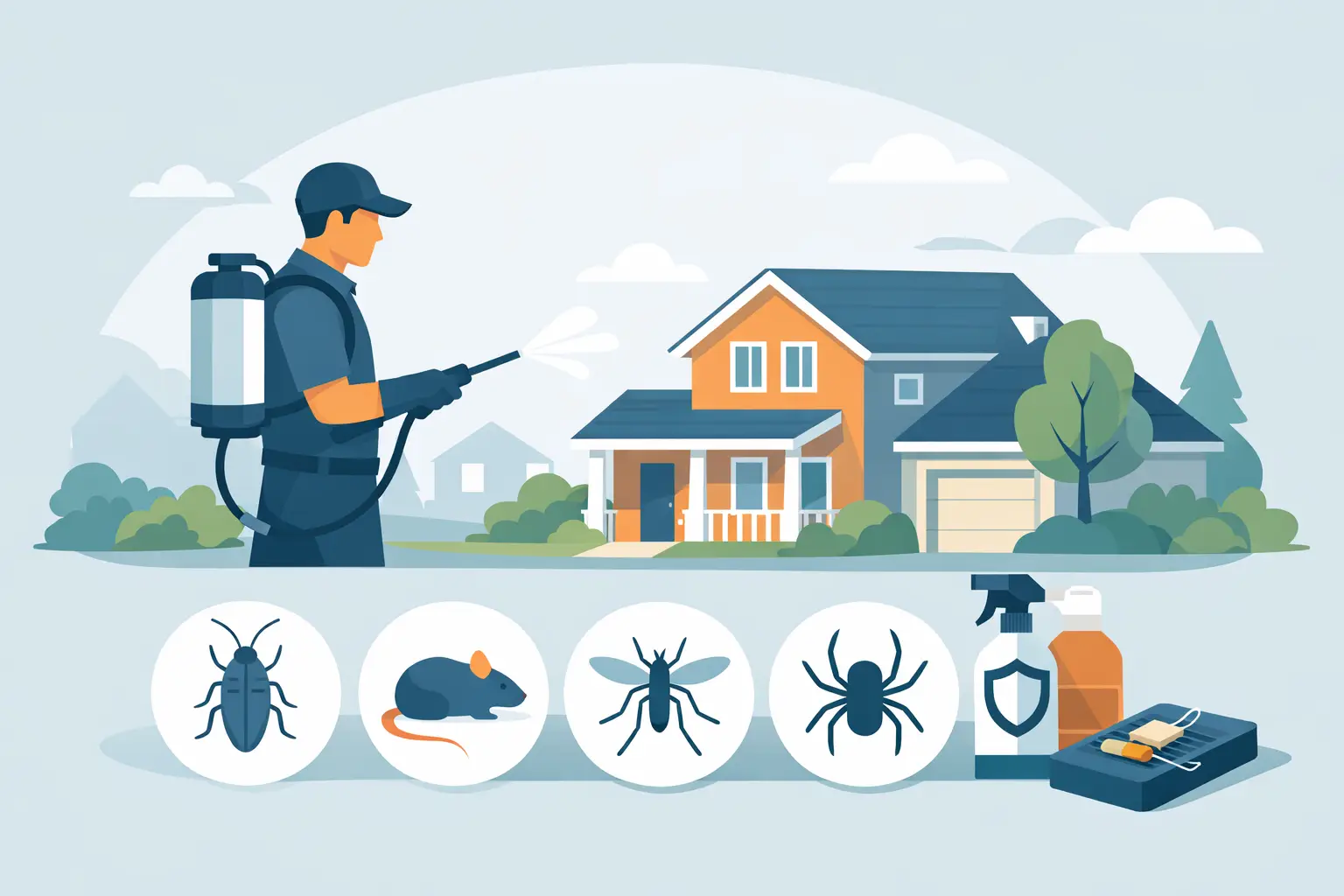
A few ants in the kitchen rarely stay a few ants for long. By the time homeowners notice repeat activity around baseboards, the garage, or the foundation, pests have usually already found food, moisture, or shelter worth returning to. That is where a residential pest control program makes a real difference. Instead of reacting to each new problem, it puts a proven prevention plan in place to stop infestations before they gain momentum.
For many Ohio homeowners, the issue is not whether pests will show up. It is when, where, and how often. Seasonal temperature swings, moisture, wooded lots, older construction, and nearby landscaping all create opportunities for ants, spiders, rodents, stinging insects, and other pests to move in close to the home. A one-time treatment can help in the moment, but ongoing protection is what reduces repeat problems over the long term.
What a residential pest control program actually includes
A residential pest control program is an ongoing service plan built around inspection, treatment, monitoring, and prevention. The goal is not simply to eliminate what is visible today. The goal is to interrupt the conditions that allow pests to return.
That usually starts with a detailed assessment of the property. A trained technician looks at the exterior foundation, entry points, garage, landscaping, moisture sources, and any areas indoors where pests are active or likely to become active. From there, treatment is tailored to the home, the pest pressure, and the season.
In practical terms, a program often includes regularly scheduled service visits, targeted exterior applications, interior treatment as needed, nest or harborage reduction, and recommendations to correct conditions that attract pests. Depending on the provider and the plan, coverage may also include call-backs between visits if activity appears before the next scheduled service.
That matters because pest pressure is rarely static. Spring ants, summer stinging insects, fall rodent movement, and winter overwintering pests each require a different level of attention. A strong program adjusts to those patterns rather than relying on the same treatment approach all year.
Why homeowners choose a residential pest control program
The biggest advantage is consistency. Most infestations begin quietly. By the time pests are easy to spot, the problem is often larger, more expensive, and more stressful to correct. Ongoing service helps catch early activity before it spreads through wall voids, attics, crawl spaces, or food storage areas.
There is also a cost and convenience benefit. Homeowners who rely on one-time appointments for every new issue often end up paying repeatedly for separate visits throughout the year. A program approach can be more efficient because it is designed around prevention, seasonal service timing, and broader coverage.
Just as important, professional monitoring reduces guesswork. Store-bought products may suppress visible pests, but they often miss the source of the problem. Improper use can also create safety concerns or push pests deeper into the structure. A managed program brings trained eyes to the property and uses treatments in a more controlled, effective way.
For families with children and pets, safety is naturally part of the decision. Reputable pest management companies build treatment plans around the home environment, using targeted applications and clear service protocols to protect people, pets, and property while still delivering proven results.
What pests are usually covered
Most homeowners enroll in a program because they are tired of recurring general pest activity. That commonly includes ants, spiders, centipedes, earwigs, pill bugs, silverfish, cockroaches, occasional invaders, and wasps around the exterior.
Some plans also address mice and other rodents, while others treat rodent control as an add-on or separate service because exclusion, trapping, and monitoring requirements are more involved. The same is true for termites, bed bugs, wildlife, mosquitoes, bats, and birds. These pest categories typically need specialized inspection protocols and treatment methods, so they may sit outside a standard residential plan.
That is why homeowners should always ask what is covered, what is excluded, and how service is handled if a more serious pest problem is found. A good provider will be direct about the difference between routine preventive service and specialized intervention.
How seasonal pest pressure affects your home
Ohio homes deal with shifting pest behavior throughout the year, and that is one of the strongest arguments for ongoing service.
Spring and summer
Warmer temperatures bring ants, spiders, bees, wasps, hornets, and other active insects out in force. Increased rain can also push pests indoors when soil becomes saturated. Exterior barriers, nest monitoring, and attention to entry points are especially important during these months.
Fall and winter
As temperatures drop, rodents and overwintering insects begin searching for warmth and shelter. Mice can enter through surprisingly small gaps, and once inside, they do not need much to stay. Fall service is often critical because it focuses on exclusion risks, access points, and conditions around the home that invite indoor sheltering.
A one-time treatment may help during one season, but it leaves the home exposed when pest behavior changes. A structured residential pest control program is designed to respond to those transitions.
What to look for in a provider
Not all pest control programs are built the same. Homeowners should look beyond price alone and pay close attention to how the service is delivered.
Experience matters because recurring pest control is not just about applying product. It requires inspection skill, pest identification, knowledge of seasonal trends, and the ability to adapt treatment methods to the structure. A provider with a long operating history and certified professionals is often better equipped to recognize patterns and solve them correctly.
Customization also matters. Homes vary by age, construction type, lot layout, nearby woods or water, and previous pest history. A provider should be able to explain why a specific plan fits your property rather than offering the same script to every customer.
Responsiveness is another major factor. If pest activity shows up between scheduled visits, homeowners need to know whether support is available quickly and what that follow-up service includes. Communication, documentation, and reliability are part of the service, not extras.
Companies like Apex Pest Control have built residential programs around that full-service model – inspection, treatment, prevention, and support that continue after the first visit.
How to tell if your home needs ongoing service
Some homes clearly benefit from a program more than others. If you have had recurring ant trails, frequent spider activity, mice in colder months, repeated wasp nesting, or pest issues that keep returning after DIY treatment, prevention is usually the smarter move.
The same is true for homes with heavy tree cover, nearby fields or wooded areas, drainage issues, older siding, gaps around utility lines, or a history of previous infestations. These conditions do not guarantee a problem, but they increase the odds that pests will find a way in.
Even newer homes are not immune. Construction gaps, settling, landscaping, and neighborhood development can all shift pest activity toward the structure. Waiting until the problem becomes visible often means giving pests a head start.
One-time treatment versus a program
There are cases where a one-time service makes sense. A single wasp nest, a localized ant issue, or a specific pest problem tied to one short-term condition may not require a full recurring plan. That is the trade-off homeowners should weigh honestly.
But when pests return season after season, one-time service becomes reactive by nature. It addresses the latest symptom, not the broader pattern. A program is usually the better value when the goal is dependable protection, fewer surprises, and less disruption throughout the year.
The best decision often comes down to frequency. If pest issues are occasional and isolated, a one-time service may be enough. If they are recurring, seasonal, or expanding into multiple areas of the home, ongoing protection is generally the more effective path.
What homeowners can do between service visits
Professional service works best when the home environment supports prevention. That means reducing food and water access, sealing cracks and utility gaps, managing trash, trimming vegetation away from the structure, and addressing excess moisture near the foundation, basement, or crawl space.
These steps do not replace treatment, but they strengthen it. Pest control is most effective when inspection, professional application, and practical home maintenance work together.
A residential pest control program is ultimately about control in the plainest sense of the word. It gives homeowners a consistent plan, expert oversight, and a faster response when pest pressure changes. When your home is protected before pests settle in, daily life feels a lot more like it should – safe, comfortable, and uninterrupted.