


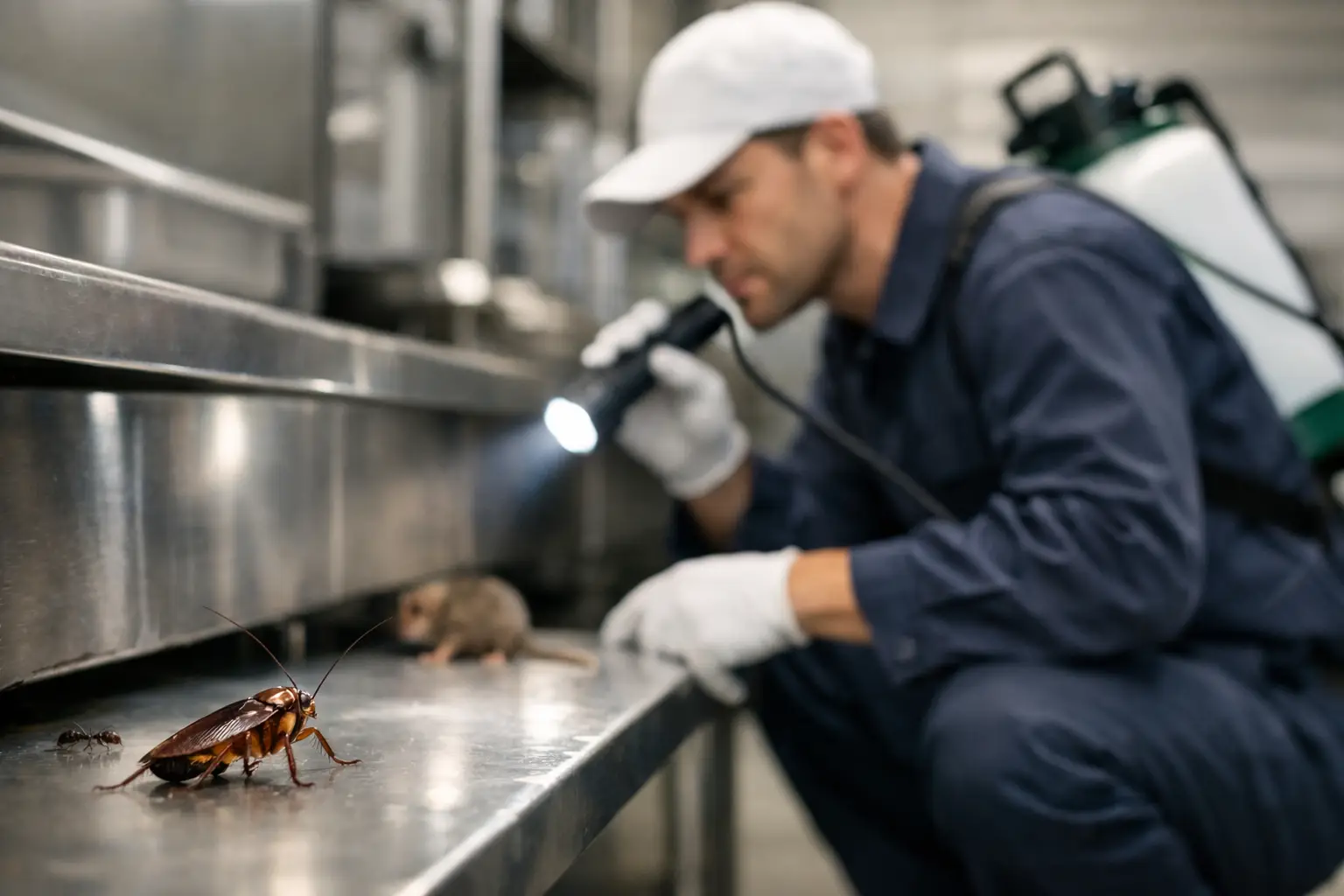
A single mouse dropping behind a storage rack, a drain fly near a prep sink, or a trail of ants at a receiving door can become much more than a maintenance issue. For a commercial facility, pests can threaten product quality, employee confidence, customer trust, and inspection outcomes. A commercial pest prevention strategy gives facility managers a clear, repeatable way to stop small warning signs from becoming costly disruptions.
The strongest programs do not rely on occasional spraying after pests are visible. They combine sanitation, exclusion, inspection, monitoring, documentation, and targeted treatment. The right balance depends on your industry, building condition, pest pressures, operating hours, and regulatory requirements.
Why Reactive Pest Control Costs More
Waiting for an infestation to become obvious often means pests have already found food, water, shelter, and travel routes inside the building. Rodents can damage wiring and contaminate stored materials. Cockroaches and flies can spread bacteria in sensitive areas. Stored product pests can compromise inventory before employees notice a problem. Birds, stinging insects, and wildlife can create safety concerns around entrances, loading zones, and exterior equipment.
A reactive approach also puts your team under pressure. A manager may need emergency service, product may need to be discarded, and staff may have to answer difficult questions from customers or auditors. Prevention is more predictable because it identifies conditions that support pests before activity reaches that point.
For restaurants, food processing operations, warehouses, healthcare facilities, schools, offices, and multi-family properties, pest prevention is part of protecting the operation itself. It should be managed with the same consistency as cleaning schedules, building maintenance, and workplace safety.
Build a Commercial Pest Prevention Strategy Around Risk
Every facility has different pressure points. A restaurant with frequent food deliveries faces different risks than a medical office, a manufacturing plant, or an apartment community. A useful plan starts with a site assessment, not a generic service schedule.
A trained pest management professional should inspect the property perimeter, receiving areas, dumpsters, utility penetrations, break rooms, restrooms, kitchens, storage rooms, mechanical spaces, rooflines, and other vulnerable locations. The goal is to identify conducive conditions: gaps around pipes, torn door sweeps, standing water, unsealed food, clutter, overflowing trash, damaged screens, or vegetation touching the structure.
This assessment should also consider how the facility operates. Night deliveries, open dock doors, employee meal areas, seasonal inventory changes, construction projects, and neighboring tenant activity can all affect pest pressure. In Ohio, seasonal changes can drive rodents indoors in cooler weather and increase fly, mosquito, and stinging insect activity during warmer months.
Start With Exclusion
Exclusion is one of the most effective long-term controls because it limits how pests enter in the first place. Check exterior doors for daylight around frames, worn sweeps, and gaps at thresholds. Dock doors should close fully and remain closed when not actively in use. Screens, vents, roof openings, utility lines, and wall penetrations should be inspected and repaired as needed.
Small openings matter. Mice can enter through gaps that appear insignificant during a routine walk-through, while insects can use cracks around doors, windows, conduits, and foundation joints. Exclusion work may require coordination between pest control, maintenance, and outside contractors. That coordination is worthwhile because treatment alone cannot compensate for an open access point.
Control Food, Water, and Harborage
Pests stay where resources are reliable. Sanitation is not simply a cleaning checklist. It is a way to remove what keeps pest activity alive between service visits.
Food should be stored in sealed, pest-resistant containers when possible, especially in break rooms, kitchens, stockrooms, and receiving areas. Rotate inventory, clean spilled ingredients promptly, and inspect incoming shipments for signs of insects or rodent contamination. In facilities that store dry goods, regular review of older inventory is essential because stored product pests can develop inside packaging that looks undisturbed from the outside.
Water management deserves equal attention. Repair leaking pipes, clear floor drains, eliminate standing water near equipment, and keep exterior drainage moving away from the building. Flies, cockroaches, and rodents often take advantage of moisture sources that are out of sight, such as under sinks, behind appliances, or inside mechanical rooms.
Clutter should also be addressed. Cardboard, unused equipment, stacked supplies, and overgrown landscaping create protected areas where pests can hide. The solution does not have to be drastic, but stored materials should be organized, elevated when practical, and kept accessible for cleaning and inspection.
Use Monitoring to Find Activity Early
Monitoring devices turn pest management from guesswork into a documented process. Depending on the facility and pest risk, this may include rodent stations, insect monitors, fly light traps, pheromone monitors for stored product pests, and exterior surveillance points. The devices are only valuable when they are placed correctly, checked consistently, and interpreted by a professional.
A trap count or recurring sighting can reveal patterns. For example, repeated rodent activity near a loading dock may point to a door gap or waste handling issue. Small flies near a drain may indicate organic buildup in plumbing or a moisture problem nearby. Monitoring helps direct treatment to the source rather than applying products broadly where they are not needed.
For compliance-driven businesses, monitoring records also demonstrate that prevention is active and measurable. Inspection reports should clearly show device locations, findings, corrective actions, sanitation or structural recommendations, and follow-up needs. Good documentation gives managers a practical record for internal reviews, third-party audits, and conversations with vendors or landlords.
Define Who Owns Each Corrective Action
Pest prevention fails when every recommendation is treated as someone else’s responsibility. The pest control provider may identify a gap, leak, or sanitation concern, but a facility needs a system for assigning and completing corrective work.
A clear program identifies the contact responsible for maintenance repairs, housekeeping changes, waste management, inventory rotation, and vendor follow-up. It also gives the site manager visibility into unresolved items. Some corrections can be completed quickly, such as replacing a damaged door sweep. Others, such as drainage improvements or building-envelope repairs, may require planning and budget approval.
This is where an account-based commercial program adds value. Regular communication between the technician, account manager, and facility team keeps recommendations from being lost in a service report. At Apex Pest Control, commercial programs are built around site-specific risks, ongoing inspections, documented findings, and responsive treatment when activity requires action.
Choose Targeted Treatment, Not a One-Size-Fits-All Approach
Even well-managed properties may need treatment. Pest pressure changes, tenants change, construction disturbs habitats, and a single delivery can introduce insects into a clean facility. The key is to use treatments as part of an integrated plan, not as the entire plan.
Targeted treatment begins with correct identification. Different pests require different methods, and misidentification can waste time and money. Ant control may involve locating nesting sites and correcting moisture conditions. Cockroach control may require focused crack-and-crevice applications, sanitation improvements, and follow-up inspections. Rodent control should combine trapping or baiting with exclusion and habitat reduction.
The safest effective approach also depends on the facility. A childcare center, food facility, healthcare site, office building, and warehouse each have different occupancy patterns and sensitivity concerns. Certified professionals can select methods and schedules that protect people, pets, products, and the environment while still delivering proven results.
Prepare for Audits Before They Are Scheduled
Audit readiness is not created the week before an inspection. It comes from consistent records, clean conditions, maintained exclusion points, and a service partner who understands your industry. Review pest control reports regularly instead of filing them away. Look for repeated findings, open corrective actions, changes in pest pressure, and areas where employees need clearer procedures.
Train employees to report sightings promptly and accurately. A report should include the pest or description, exact location, time, and any relevant conditions such as a spill, open door, leak, or damaged packaging. Early reporting allows a technician to investigate while evidence is still available.
A facility that treats pest prevention as a shared operational responsibility is better protected than one that calls only when an issue becomes visible. Start with the conditions inside and around your building, then put dependable inspections and accountability behind them. That is how pest control becomes lasting peace of mind rather than an emergency expense.