



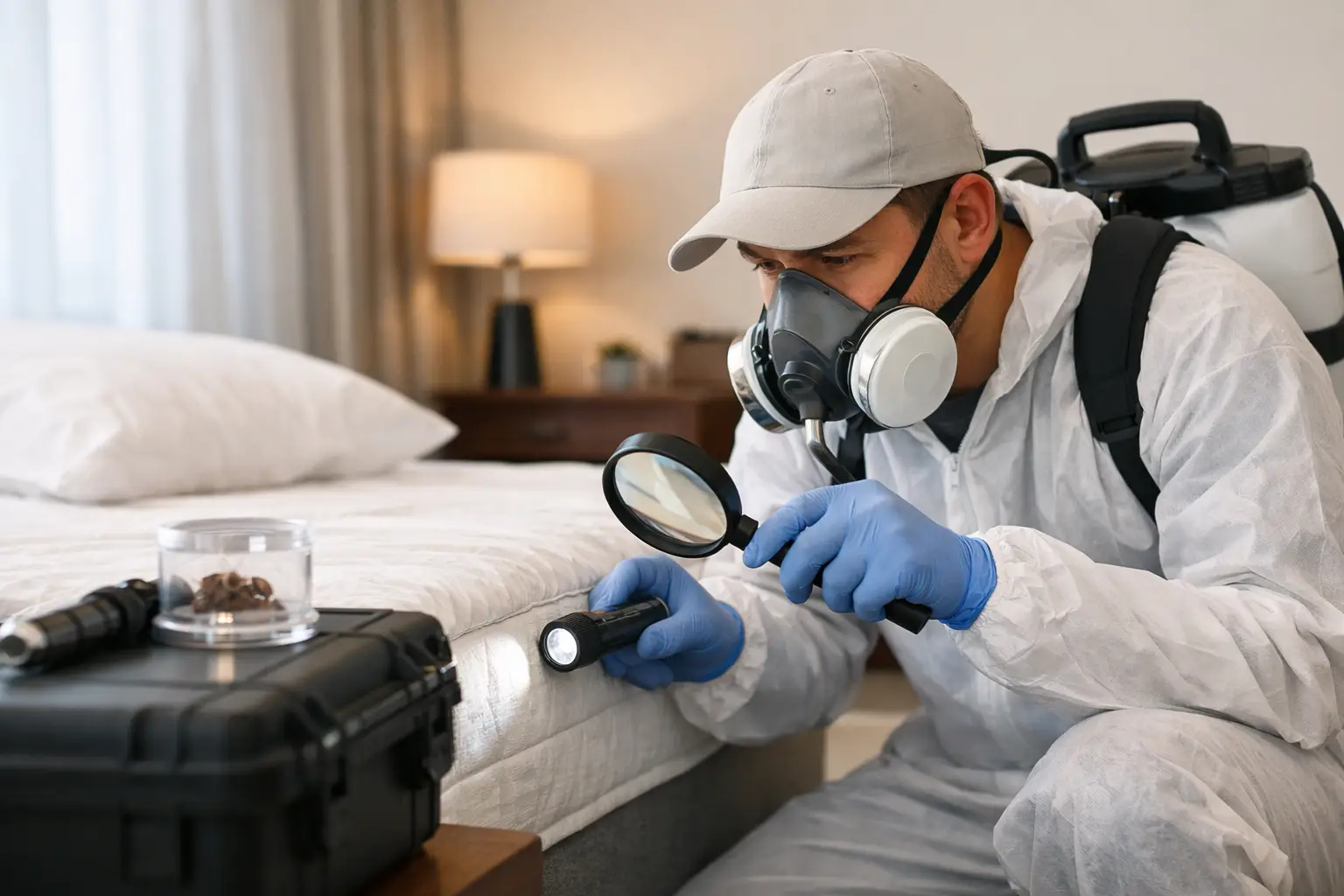
A Dayton bed bug exterminator is often needed long before homeowners feel certain they have an infestation. A few unexplained bites, tiny dark marks on bedding, or a live insect near a mattress can create immediate stress. Bed bugs are small, skilled at hiding, and easy to spread from room to room when the wrong response is taken. Fast action matters, but so does choosing a treatment plan that addresses the full infestation rather than only the bugs that are visible.
Bed bugs are not a sign of poor housekeeping. They can enter a home after travel, through used furniture, on personal belongings, or from nearby units in multi-family housing. Once established, they hide in mattress seams, bed frames, upholstered furniture, baseboards, outlets, and other narrow spaces close to where people rest. Professional treatment gives homeowners a clear path forward when over-the-counter sprays and rushed cleaning are unlikely to solve the problem.
Signs You May Need Bed Bug Treatment
Bites alone do not confirm bed bugs. Skin reactions vary widely, and bites from other insects or skin conditions can look similar. The more reliable signs are physical evidence around sleeping and sitting areas.
Look for small reddish-brown insects, pale shed skins, pearly white eggs, or dark spotting on sheets, mattress seams, box springs, headboards, and upholstered furniture. Bed bugs are usually active at night, but a larger infestation may make them easier to spot during the day. A sweet or musty odor can also occur in heavily infested spaces.
If you suspect bed bugs, avoid moving bedding, furniture, or bags into other rooms. Do not sleep in a different bedroom as a quick fix. That can encourage bed bugs to follow and expand the infestation. Instead, contain washable items in sealed bags until they can be handled properly, and arrange for a detailed inspection.
What a Dayton Bed Bug Exterminator Should Do
Effective bed bug control begins with inspection, not a one-size-fits-all treatment. A qualified technician should inspect the areas where bed bugs are most likely to hide, ask about the timeline of activity, and identify conditions that may be contributing to spread. In homes, that often includes bedrooms, living room furniture, adjoining rooms, and luggage or laundry areas. In apartments, nearby units may also require attention depending on the situation.
The treatment recommendation should be based on the level and location of activity. Professional plans may combine targeted applications, crack-and-crevice treatment, vacuuming or removal of accessible insects, mattress and box spring encasements, monitoring devices, and follow-up inspections. Heat treatment may be appropriate in some cases, but it is not automatically the best choice for every home or facility. It requires careful preparation, trained execution, and a plan to prevent insects from surviving in untreated areas or returning from another source.
A dependable provider should also explain what treatment can and cannot accomplish in one visit. Bed bug eggs and hidden insects make follow-up service essential in many cases. Promises of an instant fix without inspection, preparation, or monitoring should be treated carefully. Proven results come from a thorough process, not from a product alone.
Preparation Is Part of the Treatment
Preparation helps make professional service more effective. Your technician should provide clear, practical instructions tailored to your property. Common steps may include reducing clutter around beds and furniture, bagging washable linens and clothing, and drying those items on high heat according to fabric care instructions. Items should remain sealed after drying until they can be returned safely.
Do not begin throwing away furniture unless your pest professional advises it. Discarded items can spread bed bugs through a building or neighborhood, and many infested pieces can be treated. If an item must be removed, it should be clearly marked or made unusable so someone else does not take it home.
Avoid foggers, bug bombs, and random store-bought sprays. These products can drive bed bugs deeper into walls and furniture, increase exposure risks, and complicate professional treatment. They rarely reach the protected spaces where bed bugs spend most of their time.
Why DIY Bed Bug Control Often Falls Short
DIY methods can play a limited role in a larger control plan, especially laundering, heat-drying fabrics, vacuuming carefully, and using mattress encasements. The challenge is that bed bugs are excellent at hiding. Missing even a few insects or eggs can allow the population to rebuild.
Pesticide resistance is another concern. A product that kills some bed bugs may have little effect on others, and improper use can create unnecessary risk for children, pets, and occupants. Repeatedly applying products without a complete plan often costs more in the long run while giving the infestation more time to spread.
Professional bed bug management focuses on where insects live, how they move, and what treatment methods fit the property. That level of planning is especially valuable when bed bugs have reached multiple rooms, when a resident has already tried DIY products, or when the property is shared by multiple households.
Bed Bug Control for Apartments, Hotels, and Workplaces
For property managers and business operators, bed bugs require a response that protects occupants and limits disruption. A single report can affect resident confidence, guest experience, employee comfort, and a facility’s reputation. The right response is prompt, documented, and discreet.
Multi-unit housing requires coordinated communication and inspection because bed bugs can travel through wall voids, utility lines, hallways, and belongings. Treating only the unit where a report originated may not be enough. Hotels, senior living communities, healthcare environments, offices, and other facilities need service plans that fit their operating requirements and protect privacy.
Commercial pest management should include clear findings, service records, follow-up recommendations, and communication that helps staff recognize concerns early. This is not about creating alarm. It is about giving decision-makers reliable information and a practical plan for protecting people, property, and operations.
Safety, Follow-Up, and Lasting Peace of Mind
A bed bug treatment plan should account for the people who live or work in the space. Ask how treatments are selected, what reentry instructions apply, whether pets need special consideration, and what preparation is necessary. A qualified provider will answer directly and provide instructions that are easy to follow.
Follow-up is where a professional program proves its value. After the initial service, technicians look for continuing activity, inspect monitors when used, and adjust the approach when conditions call for it. The goal is not simply fewer bites for a few days. The goal is to eliminate the active infestation and help prevent a repeat problem.
Apex Pest Control has served Ohio customers since 1969 with customized pest management built around safety, responsive service, and proven performance. For bed bug concerns, the right time to request help is when you first see credible signs – before a small, contained issue has the opportunity to spread throughout your home or facility.
If bed bugs are disrupting your sleep or creating concern for residents, guests, or employees, do not wait for certainty before getting answers. A professional inspection can replace guesswork with a clear treatment path and give you the confidence to reclaim the space.