


You usually notice a pest problem at the worst possible moment – ants across the kitchen counter, a mouse in the basement, mosquitoes taking over the backyard before guests arrive. When that happens, many homeowners start looking for organic pest control for homes because they want real results without bringing unnecessary risk into the space where their family lives.
That is a reasonable goal. It is also where many people get misled. Organic does not automatically mean safer in every use, and it definitely does not mean every product will solve a full infestation. The right approach is practical, targeted, and based on the pest involved, how established the activity is, and what conditions in the home are allowing it to continue.
What organic pest control for homes really means
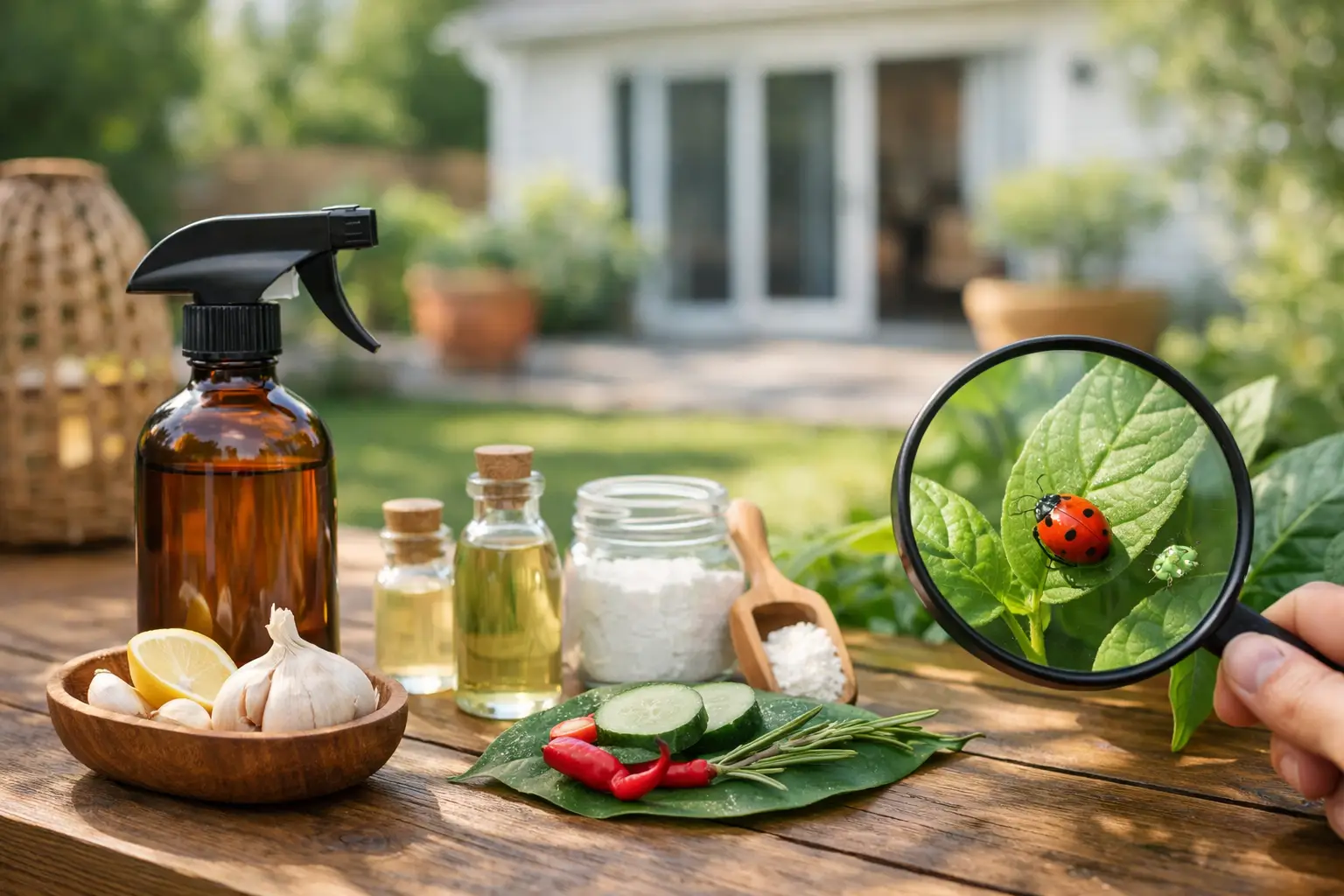
In residential pest management, organic control usually refers to treatments and prevention methods built around naturally derived ingredients, reduced-impact materials, exclusion work, habitat correction, and non-chemical strategies. That can include botanical products, insecticidal soaps, mineral-based dusts, essential-oil-based formulations, traps, sanitation improvements, and physical barriers that stop pests from getting inside in the first place.
The key point is that organic pest control is not one single treatment. It is a strategy. In many homes, the most effective organic program combines several actions at once – removing food and water sources, sealing entry points, reducing harborage, and using carefully selected products only where they add value.
For homeowners, that matters because pests are rarely in the house by accident. Ants follow moisture and food. Rodents follow shelter and gaps in the structure. Cockroaches thrive where there is warmth, water, and hiding space. If those conditions remain untouched, even a well-chosen organic product can only do so much.
Where organic methods work best
Organic methods are often strongest when the problem is caught early or when the main goal is prevention. For example, sealing foundation cracks, replacing damaged door sweeps, correcting standing water, and improving food storage can dramatically reduce pest pressure without relying on heavier treatments.
This is especially useful for common residential issues such as occasional ant activity, pantry pests, small clusters of spiders, and certain seasonal invaders. Homeowners who want to protect children, pets, and sensitive areas of the home often prefer this style of control because it focuses first on removing the reasons pests are there.
Yard and perimeter management also responds well to lower-impact strategies. Trimming vegetation away from the house, clearing leaf litter, improving drainage, and reducing mosquito breeding sites can make a noticeable difference. In Ohio, where moisture and seasonal changes create favorable conditions for many pests, these preventive steps are not optional extras. They are part of what makes treatment hold.
Prevention does most of the heavy lifting
The strongest organic plan usually looks less like spraying and more like tightening up the home. That means storing dry goods in sealed containers, cleaning under appliances, repairing plumbing leaks, screening attic and crawlspace vents, and making sure exterior trash areas stay closed and clean.
These steps are not glamorous, but they are effective. Pest control works best when the environment stops helping the pest survive.
Where organic pest control has limits
This is where homeowners need a clear answer. Organic pest control for homes can be highly effective, but it has limits when pressure is heavy or when the pest is difficult to eliminate.
Termites, bed bugs, established rodent populations, large yellowjacket nests, and widespread cockroach infestations often require more than a simple natural spray or store-bought bait. In those cases, the issue is not just visible activity. It is the hidden population behind walls, under slabs, inside voids, or around the structure.
That does not mean a homeowner has to abandon safety concerns. It means the treatment plan needs to match the level of the problem. A professional can often use a reduced-impact approach where appropriate, but still bring the inspection process, product knowledge, and placement strategy needed to solve the issue fully.
Trying to force an organic-only method onto a severe infestation can waste time and allow damage or contamination to continue. That is a poor trade for any household.
Common organic and low-impact methods used in homes
A professional residential program may use several tools that fit an organic or eco-conscious goal without overpromising. Diatomaceous earth and similar mineral dusts can help in dry voids when applied correctly. Botanical insecticides may offer targeted knockdown for some crawling insects. Sticky traps and mechanical traps can help monitor and reduce indoor pest activity. Exclusion materials such as steel mesh, sealants, screens, and door sweeps are essential for rodents and insects alike.
For mosquito reduction, source control is a major part of the job. Emptying containers, managing drainage, and reducing standing water around the property can interrupt breeding. For ants, correcting moisture issues and locating trails matters more than broad, random spraying. For pantry pests, the best treatment often starts with inspection and disposal of infested goods, followed by cleaning and monitoring.
What homeowners should watch out for is the idea that essential oils alone can solve every pest issue. Some can help repel or disrupt light activity, but repellency is not the same as elimination. If pests are already nesting in the structure, repelling a few visible ones may only push the activity to a different area.
Choosing a safer approach without sacrificing results
Homeowners often ask the same question in different ways: Can we handle this safely and still get rid of the pests? The answer is yes, but only if the plan is honest about what the home needs.
A safer approach starts with inspection. You need to know what pest is present, how it is getting in, how long it has been active, and whether there are conditions that will keep feeding the infestation. From there, treatment should be as limited and precise as possible. Broad applications where no pest pressure exists are rarely the best answer.
This is where experienced service matters. A trained technician can identify whether the right move is exclusion, monitoring, sanitation correction, a low-impact product, or a stronger intervention in a tightly controlled area. That kind of judgment protects both the household and the outcome.
Why professional guidance matters for families and pets
Safety is not just about the ingredient list. It is about placement, dosage, timing, and whether the treatment belongs in that location at all. Even lower-impact products can be misused. On the other hand, professionally selected treatments applied in a controlled way are often safer and more effective than repeated DIY attempts with mixed products.
Families with pets, small children, or household members with sensitivities should be especially careful about guessing. The best provider will explain the treatment plan clearly, answer safety questions directly, and adjust the approach to the home.
What to look for in an organic home pest control service
Not every company that says eco-friendly is delivering a true strategy. Ask whether the service includes inspection, pest identification, entry-point analysis, and prevention recommendations. Ask whether they can tailor treatment to the pest instead of applying the same package to every house. Ask how they balance organic options with proven control when an infestation is advanced.
A reliable provider should be straightforward about trade-offs. If an organic approach is likely to work well, they should say so. If the pest pressure is too high for that method alone, they should say that too. Homeowners do not need sales language. They need a plan that protects the home and solves the problem.
For many Ohio households, the best results come from a layered program – preventive maintenance, targeted exclusion, ongoing monitoring, and carefully chosen treatment methods based on season and pest activity. That is how long-term control is built.
Apex Pest Control works with homeowners who want that balance: effective pest management, thoughtful product selection, and a treatment plan built around safety, performance, and peace of mind.
If you are considering organic options, the smartest move is to think beyond the label on a bottle. The goal is not just to use a natural product. The goal is to make your home a place pests cannot settle in the first place.