


A single pest sighting can turn into three separate problems fast – a tenant complaint, a maintenance issue, and a reputation risk. That is why property management pest control cannot be treated as a reactive line item. For apartment communities, mixed-use buildings, senior housing, student housing, office properties, and retail centers, pest pressure affects occupancy, renewals, inspections, and daily operations.
The challenge for property managers is not just eliminating pests when they appear. It is building a system that reduces recurring issues, protects residents and staff, and creates clear documentation when questions come up. A one-time spray after a complaint may quiet the issue for a week, but it rarely solves the conditions that caused it.
Why property management pest control needs a different approach
Pest control in managed properties is more complex than service for a single home or a single storefront. There are more access points, more people influencing sanitation and storage conditions, and more opportunities for pests to move between units or suites. In multifamily housing, one untreated unit can keep feeding a larger problem. In commercial spaces, a small issue in a trash area or breakroom can spread into tenant spaces quickly.
That is why property management pest control works best when it is structured around prevention, communication, and consistency. The goal is not simply to apply products. The goal is to reduce exposure across the whole property while responding quickly to the units or areas that need immediate attention.
This often means balancing routine service with targeted intervention. A property with a long history of German cockroach activity needs a different strategy than a newer office building dealing with occasional ant trails. A warehouse with stored product pests requires different inspection points than a garden-style apartment complex dealing with mice each fall. Good service starts with that distinction.
The pests that create the biggest problems for managed properties
Some pests create immediate tenant distress. Others create hidden damage or compliance concerns. The most disruptive issues in managed environments usually involve rodents, cockroaches, bed bugs, ants, stinging insects, termites, and occasional invaders such as spiders or overwintering pests.
Rodents create urgent concerns because they spread through wall voids, utility lines, basements, and exterior gaps. They also create risk beyond nuisance. Droppings, gnawing, contamination, and damage to wiring or insulation can quickly turn a simple complaint into a repair and health issue.
Cockroaches are one of the most difficult pests in multifamily settings because they thrive where food, moisture, clutter, and hiding areas overlap. They also travel. If treatment is limited to one unit without addressing neighboring conditions, reinfestation is common.
Bed bugs present a different kind of pressure. They do not always indicate poor housekeeping, which makes communication sensitive and important. Delays make them harder and more expensive to resolve. Property managers need a provider that can inspect accurately, respond fast, and guide the next steps clearly.
Termites are less visible day to day, but they can create long-term structural damage if missed. For properties with wood components, older construction, or moisture issues, regular inspection matters.
What effective service looks like in the field
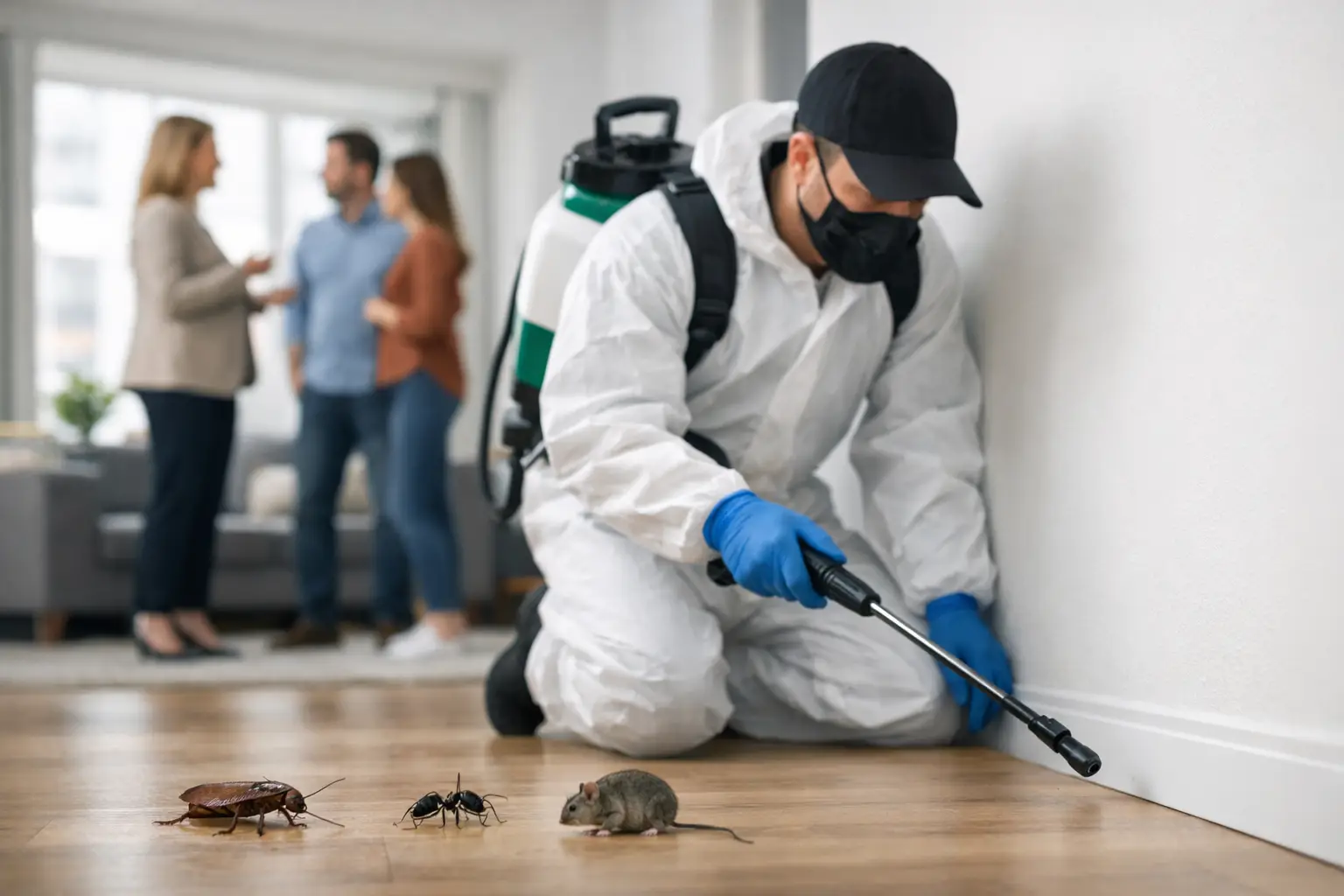
A reliable program starts with inspection, not assumptions. That includes common areas, exterior conditions, trash handling zones, utility penetrations, landscaping pressure points, and the complaint location itself. In multifamily properties, adjacent units may also need review depending on the pest involved.
From there, treatment should match the problem. There is no single method that fits every property. Baiting, crack-and-crevice treatment, exclusion work, sanitation recommendations, monitoring devices, harborage reduction, and follow-up visits all have a place. The right mix depends on pest biology, building design, occupancy, and how widespread the issue is.
Documentation is just as important as treatment. Property managers need service reports that explain what was found, what was done, and what needs correction. If a resident disputes a recurring issue or an owner asks for status updates, vague notes are not enough. Clear records support better decision-making and reduce confusion between site teams, maintenance staff, and residents.
This is especially important for portfolios that include multiple buildings or locations. Standardized reporting and account support help keep service consistent, even when each property has different pressure points.
Prevention is where the real savings happen
Emergency calls cost more than planned prevention in almost every managed environment. They interrupt schedules, create tenant dissatisfaction, and often require repeated visits if the root cause remains in place. Preventive pest management reduces those disruptions.
That does not mean every property needs the same service frequency. It depends on property age, occupancy type, turnover rate, trash handling, landscaping, nearby food sources, and history of activity. A high-density apartment property may need more frequent attention than a professional office building. A facility with food handling or strict audits may require a much tighter inspection schedule.
Preventive work usually includes routine inspection of exterior entry points, seasonal monitoring, treatment of vulnerable zones, and practical recommendations for sanitation, maintenance, and exclusion. Small fixes often make a major difference. Door sweeps, sealing pipe gaps, correcting moisture conditions, and improving dumpster area management can reduce recurring service calls substantially.
Communication matters as much as treatment
Property managers often get stuck between residents, maintenance teams, ownership groups, and vendors. Pest control should make that easier, not harder. Good communication means fast scheduling, clear arrival windows, direct notes on resident preparation when needed, and straightforward reporting after service.
It also means honesty about trade-offs. Some problems can be resolved in a single visit. Others cannot. Heavy cockroach infestations, bed bug activity, recurring rodent pressure, or wildlife entry issues often require multiple steps. Overpromising creates frustration. A dependable provider sets expectations clearly, then follows through.
Resident-facing communication also matters. People want to know whether treatments are safe, what they need to do before service, and what results to expect. In occupied buildings, that clarity helps with cooperation, and cooperation affects results.
Safety, access, and occupied spaces
Managed properties rarely offer perfect conditions for treatment. Units are occupied. Schedules change. Residents may have children, pets, or health concerns. Commercial tenants may have production hours, customer traffic, or sanitation protocols that limit service timing.
That is why the best programs are customized around the property, not forced into a generic service routine. Product selection, treatment timing, and access planning all need to reflect the people using the space. In many cases, integrated pest management principles provide the strongest long-term result – combining inspection, monitoring, exclusion, sanitation improvements, and carefully selected treatments rather than relying on repeated broad applications.
For Ohio properties, seasonality also plays a major role. Rodents often push indoors in cooler months. Ants, stinging insects, mosquitoes, and many occasional invaders become more active during warmer periods. Pest control plans should shift with the season rather than staying static year-round.
Choosing a provider for property management pest control
The right provider should be able to do more than answer a service call. Property managers need a partner that can support recurring prevention, urgent response, and portfolio-level consistency. Experience with multifamily and commercial environments matters because these properties create challenges that do not show up in standard residential work.
Look for a company with certified technicians, strong reporting practices, and the ability to tailor service plans by property type. Speed matters, but structure matters more. If service depends on whoever happens to be available that day, consistency usually suffers.
It also helps to work with a company that understands escalation. A minor ant complaint and a confirmed bed bug issue should not move through the same response process. The provider should know when to monitor, when to treat aggressively, when to involve adjacent units, and when to recommend structural or sanitation corrections.
For larger portfolios, account management and quality oversight become even more valuable. They reduce the burden on site teams and help ensure that service standards hold up across locations.
Apex Pest Control has built its service model around that kind of accountability, with customized treatment plans, experienced field technicians, and the support structure needed for both local properties and broader commercial programs.
The goal is fewer surprises
Property managers do not need more vendor noise. They need fewer complaints, fewer repeat issues, and fewer situations that spiral after business hours. Effective pest control supports operations quietly but powerfully. It protects the condition of the property, the experience of the people inside it, and the credibility of the team responsible for keeping everything on track.
When pest management is handled early, documented clearly, and built around prevention, the property runs better. That kind of control does more than solve infestations – it gives managers room to focus on everything else that needs their attention.