



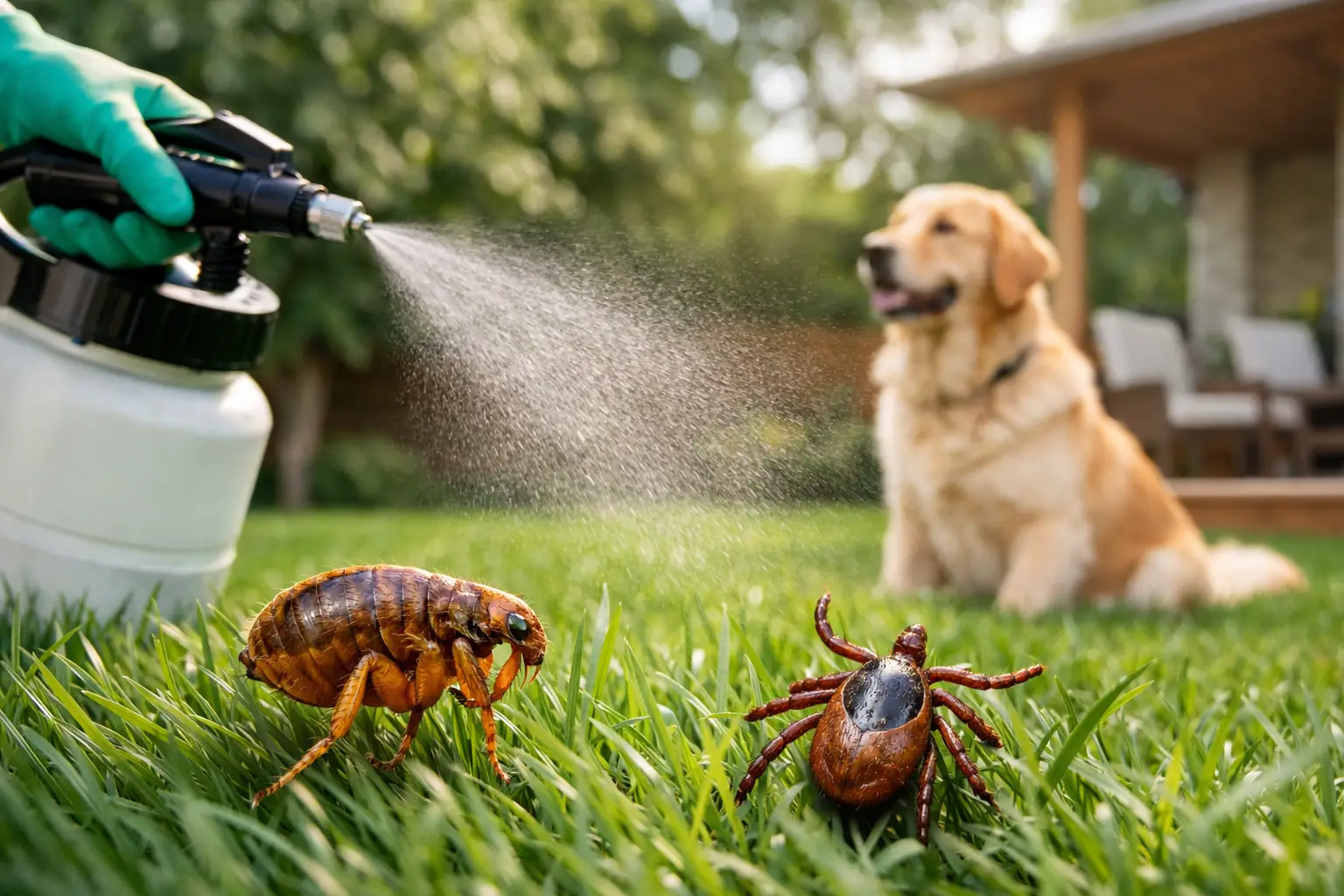
One weekend your dog starts scratching nonstop, and suddenly the backyard stops feeling like your backyard. That is usually how flea and tick problems show up – fast, frustrating, and right where your family spends time. A proper flea and tick yard treatment is not just about spraying grass. It is about reducing the places these pests hide, breaking their life cycle, and protecting the people and pets using that space every day.
Fleas and ticks thrive in outdoor areas that give them shade, moisture, and access to animal hosts. That means the problem is rarely limited to the lawn itself. Overgrown edges, leaf litter, mulch beds, under decks, fence lines, and areas where wildlife passes through all create conditions that support activity. If the yard is treated without addressing those pressure points, results may be short-lived.
Why flea and tick yard treatment matters
A few pests in the yard can turn into an ongoing problem much faster than most homeowners expect. Fleas reproduce quickly, and once they move indoors on pets, clothing, or wildlife, they become much harder to eliminate. Ticks present a different concern. Even low numbers matter because one bite can expose people or animals to serious health risks.
For families with children and pets, outdoor exposure is the main issue. Dogs pick up fleas and ticks while moving through grass, shrubs, and shaded borders. Children can be exposed while playing near landscaping, under trees, or around the perimeter of the yard. If you are seeing pests on your pets, it often means the outdoor environment is already active.
In Ohio, seasonal conditions can make flea and tick pressure unpredictable. Mild winters, wet springs, and shaded properties can extend activity and increase survival rates. That is one reason one-time treatments do not always solve the problem for long. In many cases, the right answer is a targeted treatment plan combined with ongoing prevention.
Where fleas and ticks hide in the yard
The biggest mistake homeowners make is assuming these pests are spread evenly across the property. They are not. Fleas and ticks concentrate in protected areas where they can wait for a host and avoid heat stress.
Ticks commonly hold in tall grass, brush, wood lines, and transition zones where lawns meet natural areas. Fleas tend to build up in spots where pets rest or where wildlife frequently travels, including under porches, around sheds, beneath shrubs, and in shaded mulch.
That is why effective flea and tick yard treatment focuses on the high-risk zones first. Open, sunny sections of lawn may need less attention than perimeter vegetation, damp shaded pockets, and harborage sites. A trained technician looks at how the property is used, where pests are likely to survive, and what conditions are supporting the problem.
What a professional flea and tick yard treatment should include
A strong treatment starts with inspection, not guesswork. The goal is to identify active areas, understand how pets and wildlife are moving through the property, and choose materials and methods that fit the site.
Treatment typically targets vegetation, lawn edges, ornamental beds, shaded ground cover, and structural areas where pests rest or develop. Depending on the pressure level, the service may also include recommendations to reduce conducive conditions, such as trimming back dense growth, removing yard debris, or addressing moisture retention.
Timing matters. Fleas have multiple life stages, and a single application may not affect every stage equally. Ticks can also re-enter from surrounding untreated areas, especially near wooded lots or properties with heavy wildlife activity. That means follow-up service is often part of proven results, not a sign the first treatment failed.
For homeowners concerned about safety, that concern is reasonable. Treatments should be applied carefully, according to label directions and site conditions, with attention to people, pets, and the environment. Professional service is valuable here because product selection, placement, and timing all affect both performance and safety.
Why DIY flea and tick yard treatment often falls short
Store-bought yard sprays can help in light cases, but they often underperform when the infestation is established or the property has multiple harborage zones. The issue is usually not effort. It is coverage, targeting, and follow-through.
Many DIY applications focus only on visible lawn areas and miss the shaded edges where pests actually survive. Some products also break down quickly in weather or are applied at the wrong time of day or season. If pets are not being treated at the same time, or if indoor flea pressure is already present, the yard can become reinfested quickly.
There is also a practical trade-off. DIY can seem less expensive upfront, but repeated ineffective applications add cost without delivering control. For households already dealing with bites, infested pets, or recurring tick sightings, professional treatment is often the faster and more reliable path.
How to reduce reinfestation after treatment
No yard treatment works in isolation. Long-term control comes from pairing treatment with prevention. If the environment still supports fleas and ticks, or if untreated animals keep bringing them back, the problem can return.
Start with pet protection. Pets should be on veterinarian-approved flea and tick prevention, especially during active months. If the yard is treated but the dog is not protected, pests can continue cycling through the property and into the home.
Yard maintenance also matters. Keep grass cut to a manageable height, trim vegetation away from walkways and play areas, and remove leaf litter or brush piles that hold moisture. If wildlife such as raccoons, stray cats, deer, or rodents are moving through the property, that activity may need to be addressed as part of the overall control plan.
It also helps to think about where people and pets spend time. If a shaded back corner is heavily infested, treatment can reduce pressure there, but creating cleaner-use zones closer to the house may further lower exposure. In some yards, that may mean changing landscaping, improving drainage, or reducing dense ground cover.
When to schedule flea and tick yard treatment
The best time to treat depends on pest pressure, property conditions, and weather patterns. In general, early intervention is easier than reacting after the population builds. Once fleas have reproduced heavily or ticks are being found regularly on pets or family members, the job becomes more urgent.
Spring through fall is the most common treatment window, but that does not mean every property follows the same schedule. Warm, shaded, moisture-retaining yards can stay active longer. Properties near woods, parks, or natural corridors may need closer monitoring. If you have already had problems in prior seasons, proactive treatment is usually smarter than waiting for the first signs.
A recurring service plan often makes sense for properties with consistent outdoor pest pressure. That is especially true for homes with pets, yards bordering wooded areas, or families who spend a lot of time outside. One-time service can help, but ongoing prevention provides more dependable protection when conditions favor repeat activity.
Signs you need professional help
If you are finding fleas on pets after they have been outside, seeing ticks on clothing or skin, or noticing repeated activity in the same parts of the yard, it is time to take the issue seriously. Another red flag is when the problem appears to move indoors. Once that happens, treatment may need to address both the exterior and interior environment.
Professional service is also worth considering when your property has features that increase pest pressure, such as wooded borders, heavy shade, dense landscaping, pet runs, or visible wildlife traffic. These are the kinds of conditions where generalized treatments tend to miss the mark.
An experienced pest control provider can assess the full picture, not just the symptom. That includes the yard layout, surrounding environment, pest biology, seasonality, and household needs. For families looking for proven results without unnecessary risk, that level of planning makes a real difference.
Apex Pest Control approaches outdoor pest issues with that bigger picture in mind – targeted treatment, practical prevention, and service built around safety and long-term control.
The right flea and tick yard treatment should give you more than a temporary drop in activity. It should help you use your yard with more confidence, knowing the problem is being handled the right way and the next wave is less likely to show up.